Air Receiver Tanks in Automation Systems: Benefits, Applications, and Working Principle
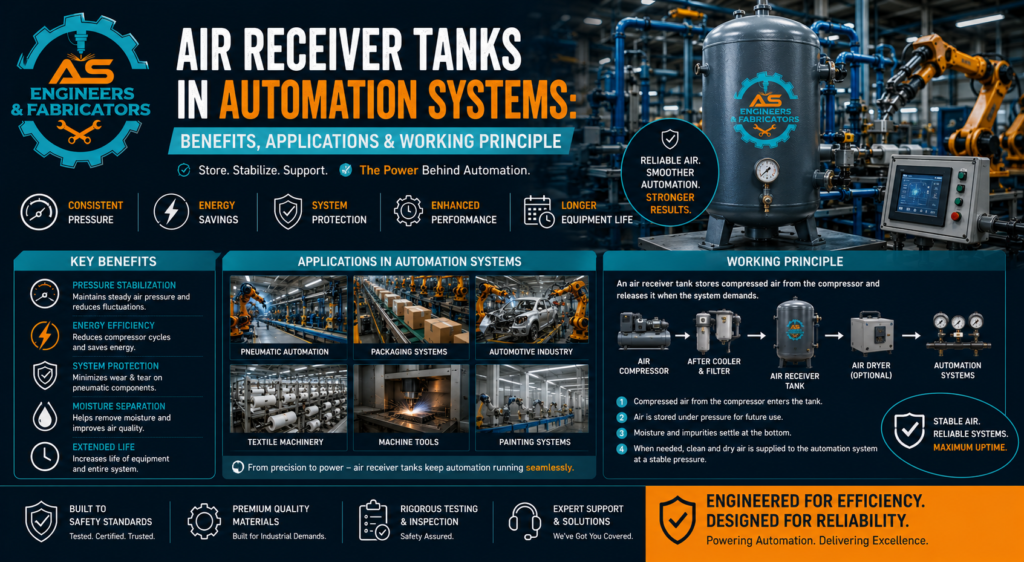
Industrial automation systems are increasingly reliant on compressed air for efficient and reliable operations. Automation equipment like robotic arms, pneumatic cylinders, automated valves, packaging systems, conveyor systems, CNC machines, assembly lines, and industrial processing machinery all need a steady compressed air supply to function properly. One important component that supports this compressed air system is an air receiver tank.
Air receiver tanks store compressed air and help in pressure stabilization, compressor efficiency, reduced downtime, and continuous industrial automation processes. Industries like manufacturing, oil & gas, pharmaceutical, automotive, food processing, power generation, textile, packaging, engineering, and many other industrial sectors use air receiver tanks for their automation systems.
Manufacturers like ASEFS India, which specializes in air receiver tank fabrication, pressure vessel fabrication, industrial tank manufacturing, stainless steel fabrication, steel fabrication services, custom fabrication solutions, industrial engineering solutions, piping fabrication services, heavy fabrication services, ASME pressure vessel fabrication, industrial welding services, skid-mounted tank fabrication, corrosion-resistant tank fabrication, blasting and painting solutions, hot-dip galvanizing services, anti-vortex plate fabrication, rubber lining services, metal floor grating solutions, storage tank fabrication, and turnkey industrial fabrication services, offer reliable industrial pressure vessels and related solutions for the automation industries.
Also Read: “Fabrication Solutions: How Modern Fabrication Improves Industrial Efficiency”
What Is an Air Receiver Tank?
An air receiver tank is a pressure vessel used to store compressed air generated by an air compressor. The air receiver tank is a buffer between the compressor and the automation equipment, providing a means of stabilizing air pressure and delivering compressed air during periods of increased demand.
Industry experts describe the working of air receiver tanks for better stability and efficiency of compressed air systems.
Air receiver tanks are used in the following:
- Industrial automation
- Pneumatic machinery
- Manufacturing
- Packaging industries
- CNC operations
- Robotics systems
Companies like ASEFS India, manufacturers of pressure vessel fabrication, industrial tank manufacturing, steel fabrication services, piping fabrication solutions, industrial engineering services, and custom fabrication solutions, offer industrial compressed air systems.
Working Principle of Air Receiver Tanks
Air receiver tanks are simple in their working but very crucial for the smooth operations of industrial automation systems.
- The steps involved are
- An air compressor produces compressed air
- Air enters the receiver tank
- The air receiver tank stores the pressurized air
- Air is supplied as per the demand of the system
- Pressure fluctuations are minimized
Industry references also explain that air receiver tanks function as pressure buffers and air storage tanks in compressed air systems.
Air receiver tanks help in:
- Constant pressure
- Reduced compressor cycling
- Stable airflow
- Surge demand support
- Moisture and contaminant removal
Companies such as ASEFS India, air receiver tank fabrication, pressure vessel engineering, industrial fabrication services, piping fabrication services, heavy fabrication solutions, and industrial tank manufacturing companies for automation industries.
Importance of Air Receiver Tanks in Automation Systems
Pressure stabilization automation systems and pneumatic equipment demand a constant compressed air pressure for accurate operations.
Pressure pulsations impact:
- Pneumatic cylinder movement
- Robotic arm precision
- Packaging machine performance
- CNC machine functions
Industry experts explain how air receiver tanks dampen pressure fluctuations and stabilize air pressure in automation systems.
Companies like ASEFS India provide pressure vessel fabrication, industrial engineering services, industrial tank manufacturing, custom fabrication solutions, piping fabrication services, and steel fabrication services for industrial automation systems.
Reduced Compressor Cycling
The compressor may start and stop frequently to meet the air demand in automation systems without an air receiver tank.
Excessive compressor cycling leads to:
- Higher energy usage
- Motor wear
- Reduced compressor life
- Maintenance problems
Industry references also explain how air receiver tanks minimize compressor on and off cycles.
Companies such as ASEFS India provide industrial fabrication solutions, air receiver tank fabrication, ASME pressure vessel fabrication, heavy fabrication services, industrial engineering solutions, and services for efficient compressed air systems.
Improved Energy Efficiency
Air receiver tanks store compressed air during low-demand times, and they release it to the system during peak-demand conditions. In this way, they help in optimizing compressor operation, which results in overall energy savings for the entire system.
This way, air receiver tanks can help:
- Lower power usage
- Optimized compressor usage
- Energy-efficient automation
- Reduced operational costs
Industry experts also explain how correctly sized air receiver tanks enhance energy performance in compressed air systems.
Companies like ASEFS India provide industrial engineering services, pressure vessel fabrication, steel fabrication solutions, industrial tank manufacturing, piping fabrication services, heavy fabrication services, and more for energy-efficient automation systems.
Benefits of Air Receiver Tanks in Automation Systems
Stable Pneumatic Operation: Automation systems use pneumatic equipment extensively for precision control of movements.
Air receiver tanks provide the following:
- Steady airflow
- Constant operating pressure
- Improved equipment response
- Higher automation accuracy
Industries like automotive manufacturing plants, packaging industries, pharmaceuticals, food processing, textile automation, and robotics industries using robotic automation systems require consistent compressed air availability and pressure stability for uninterrupted production efficiency.
Companies such as ASEFS India provide air receiver tank fabrication, industrial fabrication services, pressure vessel engineering, piping fabrication services, and industrial automation fabrication solutions for industrial manufacturing plants.
Moisture Separation
Compressed air contains moisture and other contaminants.
When compressed air is supplied to the air receiver tank, the following happens:
- The air cools down
- Moisture condenses
- Water droplets separate
- Air quality improves
Industry references also explain how air receiver tanks help in moisture removal and contaminant control.
Companies like ASEFS India provide corrosion-resistant tank fabrication, industrial engineering solutions, pressure vessel fabrication, blasting and painting services, industrial coating systems, and stainless steel fabrication solutions for industrial applications.
Peak Demand Handling
Automation systems face sudden increases in air consumption during certain operations.
Examples of sudden air demand surges:
- Robotic arm movements
- Pneumatic tool operations
- Packaging equipment burst
- Conveyor start-up systems
Industry experts also explain how air receiver tanks provide a reserve compressed air supply during short-term peak demand situations.
Companies such as ASEFS India provide industrial tank manufacturing, pressure vessel fabrication, custom fabrication services, piping fabrication solutions, heavy fabrication services, and industrial engineering solutions for automation industries.
Types of Air Receiver Tanks
Vertical Air Receiver Tanks Vertical air receiver tanks are commonly used in places where floor space is limited or at a premium.
Benefits of vertical tanks include:
- Compact installation
- Efficient moisture drainage
- Space-saving design
Industry references also explain how vertical air receiver tanks are ideal for small and medium-sized industrial plants.
Horizontal Air Receiver Tanks
Horizontal air receiver tanks are widely used in large industrial plants and outdoor installations.
Advantages of horizontal tanks include:
- Better stability
- Larger storage capacity
- Easy maintenance access
Companies like ASEFS India provide vertical air receiver tank fabrication, horizontal air receiver tank fabrication, industrial pressure vessel manufacturing, custom fabrication solutions, and industrial engineering solutions for industrial automation projects.
Applications of Air Receiver Tanks in Automation Industries
Air receiver tanks are used in the following.
- Automotive manufacturing plants
- Pharmaceutical industries
- Packaging industries
- Textile automation systems
- CNC machining facilities
- Food processing plants
- Oil & gas automation systems
- Robotics industries
Industry experts also explain how compressed air systems are an integral part of modern industrial automation processes.
Companies such as ASEFS India provide industrial tank manufacturing, pressure vessel fabrication, piping fabrication services, industrial engineering solutions, skid-mounted tank fabrication, and turnkey fabrication solutions for industrial sectors worldwide.
Safety Features of Air Receiver Tanks
Air receiver tanks work under high pressure, so they must have several safety systems installed on them.
Safety components include the following:
- Safety relief valves
- Pressure gauges
- Drain valves
- Inspection ports
- Pressure control systems
Industry references also explain how air receiver tanks need to be compliant with ASME pressure vessel safety standards.
Companies like ASEFS India provide ASME pressure vessel fabrication, industrial fabrication solutions, industrial engineering services, welding inspection services, and pressure vessel safety fabrication solutions for industrial compressed air systems.
Maintenance of Air Receiver Tanks
Maintenance of air receiver tanks and timely servicing can help improve operational efficiency and extend equipment life.
Maintenance practices include the following:
- Periodic pressure checks
- Condensate drainage
- Safety valve testing
- Internal cleaning
- Corrosion inspection
Industry discussions also focus on condensate drainage and periodic inspections as vital for the system’s efficiency.
Companies such as ASEFS India provide industrial maintenance fabrication services, pressure vessel engineering support, industrial inspection services, corrosion-resistant tank fabrication, and industrial safety solutions for long-term equipment performance.
Also Read: “How to Choose the Best Grating Manufacturer in India for Industrial Projects”
Conclusion
Air receiver tanks are a vital part of any industrial automation system because they provide compressed air storage, pressure stabilization, energy efficiency, moisture removal, and reliable pneumatic operation. Air receiver tanks improve automation system reliability, reduce compressor cycling, and help in continuous industrial production.
Industries like automotive manufacturing, packaging, pharmaceuticals, food processing, robotics, CNC machining, and oil & gas automation use properly sized and designed air receiver tanks for their operational efficiency. Companies like ASEFS India, specialized in air receiver tank fabrication, pressure vessel fabrication, industrial tank manufacturing, stainless steel fabrication, steel fabrication services, custom fabrication solutions, industrial engineering solutions, piping fabrication services, heavy fabrication services, ASME pressure vessel fabrication, industrial welding services, skid-mounted tank fabrication, corrosion-resistant tank fabrication, blasting and painting solutions, hot-dip galvanizing services, anti-vortex plate fabrication, rubber lining services, metal floor grating solutions, storage tank fabrication, and turnkey industrial fabrication services, continue to support industrial automation projects with their reliable engineering solutions.
Frequently Asked Questions
- What is the role of an air receiver tank in automation systems?
Ans: An air receiver tank is used for storing compressed air, stabilizing pressure, and enhancing the automation system’s efficiency.
- How do air receiver tanks work?
Answer: Air receiver tanks store compressed air from the air compressor and supply compressed air to the system during demand fluctuations.
- Why are air receiver tanks important for pneumatic automation systems?
Answer: Air receiver tanks provide a steady flow of air, help in reducing compressor cycling, and help in better machine performance.
- In which industries are air receiver tanks used?
Ans: The automotive manufacturing, pharmaceutical, food processing, packaging, textile, oil & gas, and robotics industries widely use air receiver tanks.
- What safety devices are fitted on air receiver tanks?
Answer: Safety valves, pressure gauges, drain valves, and inspection ports are some of the devices fitted on air receiver tanks for safe working.
Recent Posts
-
 Propane Storage Tank Manufacturing: Standards, Safety Features & Buying Guide
 -
 Pressure Vessel Baffle Plates: Function, Placement & Design Guidelines for Better Flow Control
 -
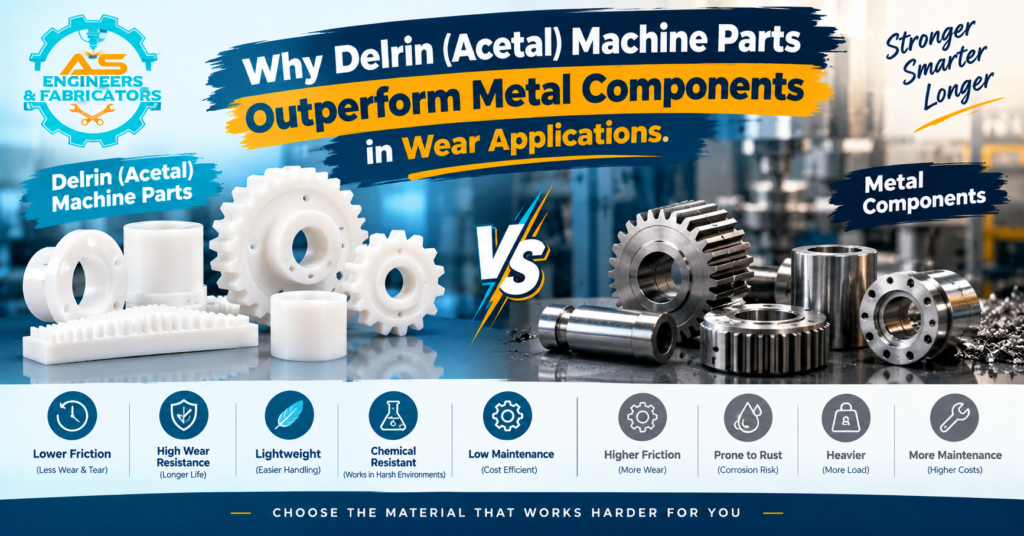 Why Delrin (Acetal) Machine Parts Outperform Metal Components in Wear Applications
 -
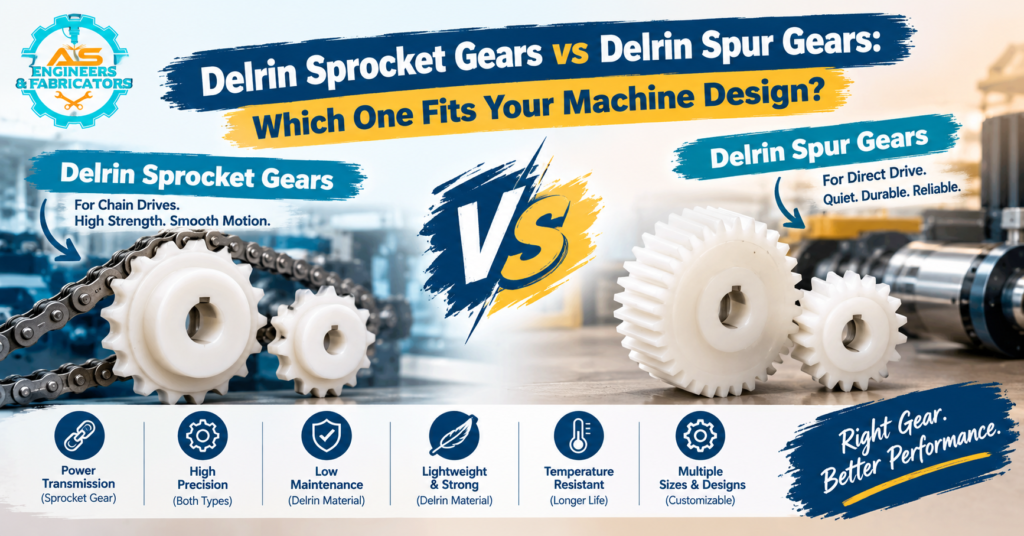 Delrin Sprocket Gears vs Delrin Spur Gears: Which One Fits Your Machine Design?
 -
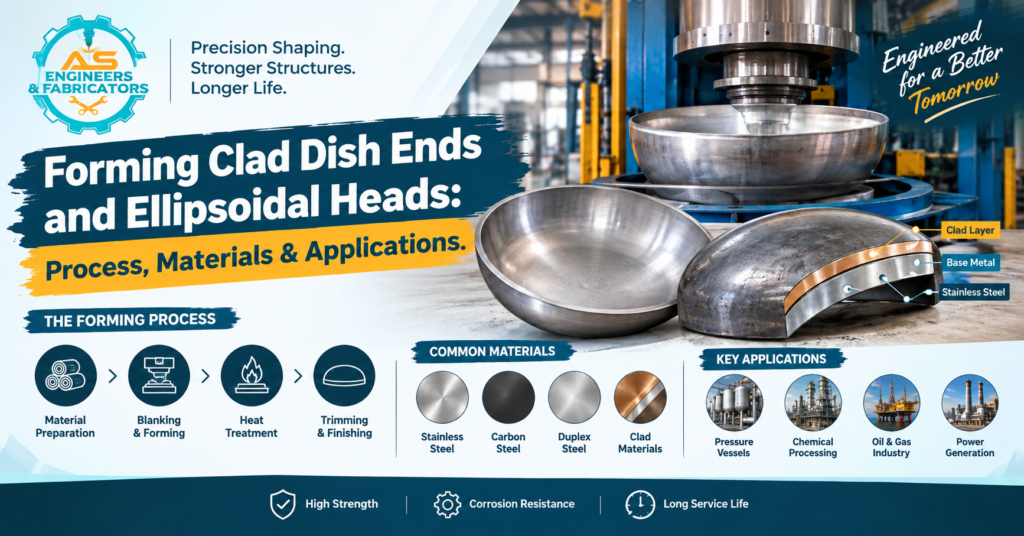 Forming Clad Dish Ends and Ellipsoidal Heads: Process, Materials & Applications
 -
 ASEFS India and Russia’s Industrial Machinery Sector: Solutions, Expertise and Opportunities
 -
 How ASEFS India Contributes to Singapore’s Industrial Machinery and Equipment Sector
 -
 Construction Indonesia 2026: Connecting Global Construction and Engineering Companies with Indonesia’s Infrastructure Market
 -
 AUTOMEX Penang 2026: Connecting Global Automation Companies with Malaysia’s Smart Manufacturing Industry
 -
 Vietnam Industrial Automation Fiesta (VIAF) 2026: Connecting Global Engineering Companies with Vietnam’s Smart Manufacturing Industry
 -
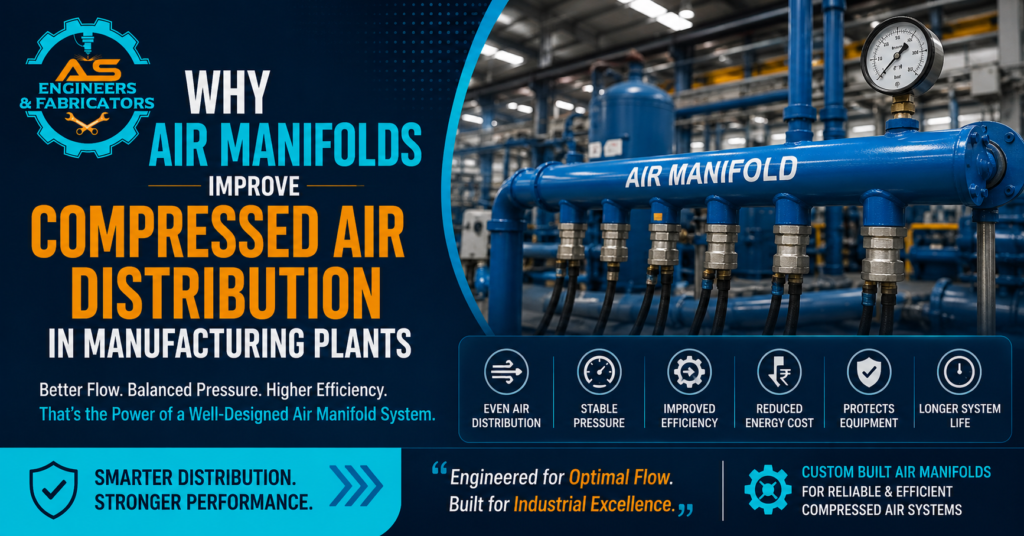 Why Air Manifolds Improve Compressed Air Distribution in Manufacturing Plants
 -
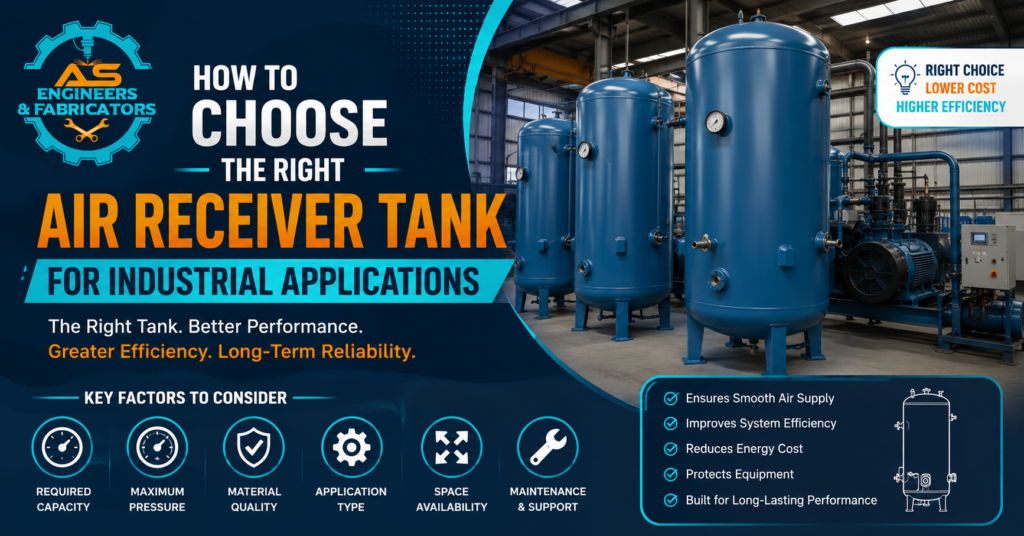 How to Choose the Right Air Receiver Tank for Industrial Applications
 -
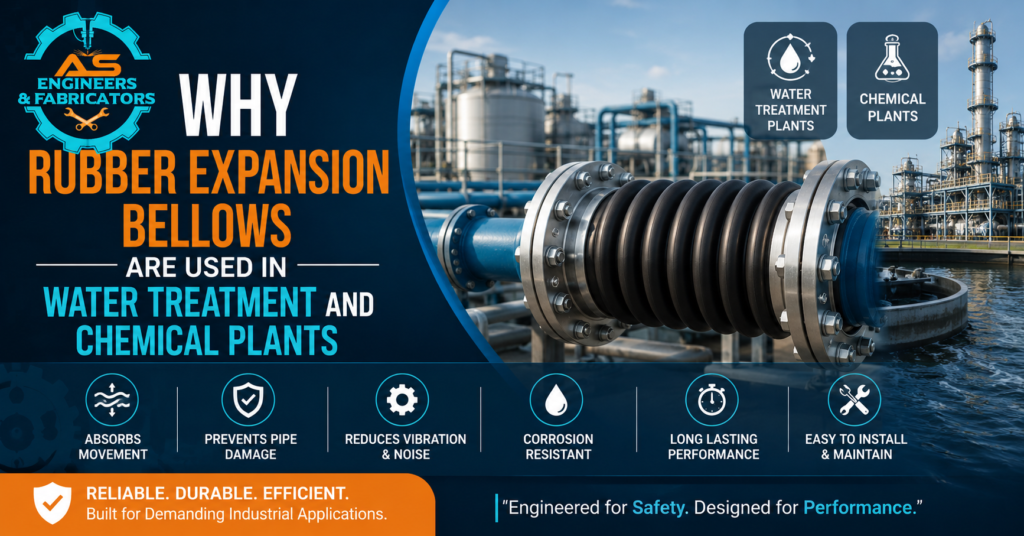 Why Rubber Expansion Bellows Are Used in Water Treatment and Chemical Plants
 -
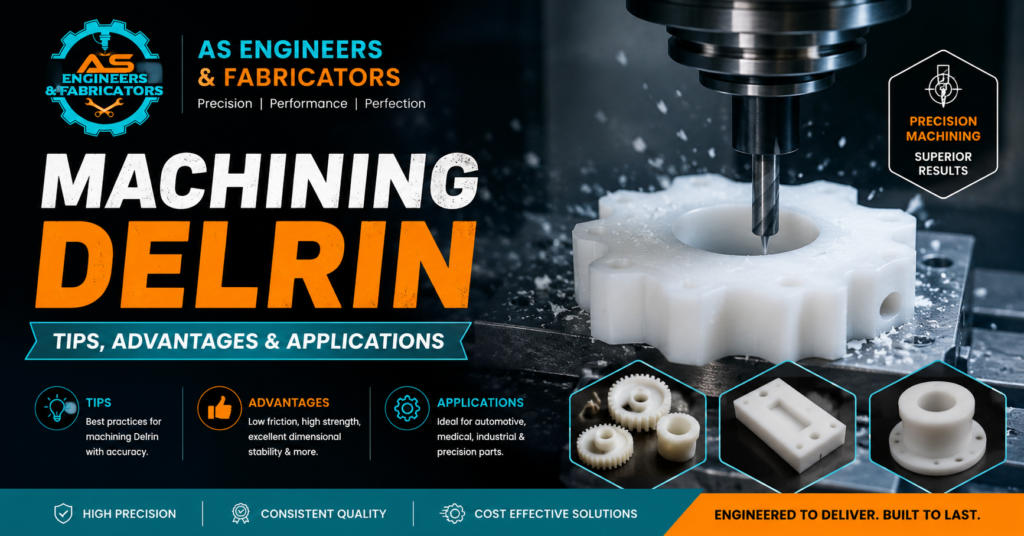 Machining Delrin: Tips, Advantages & Applications
 -
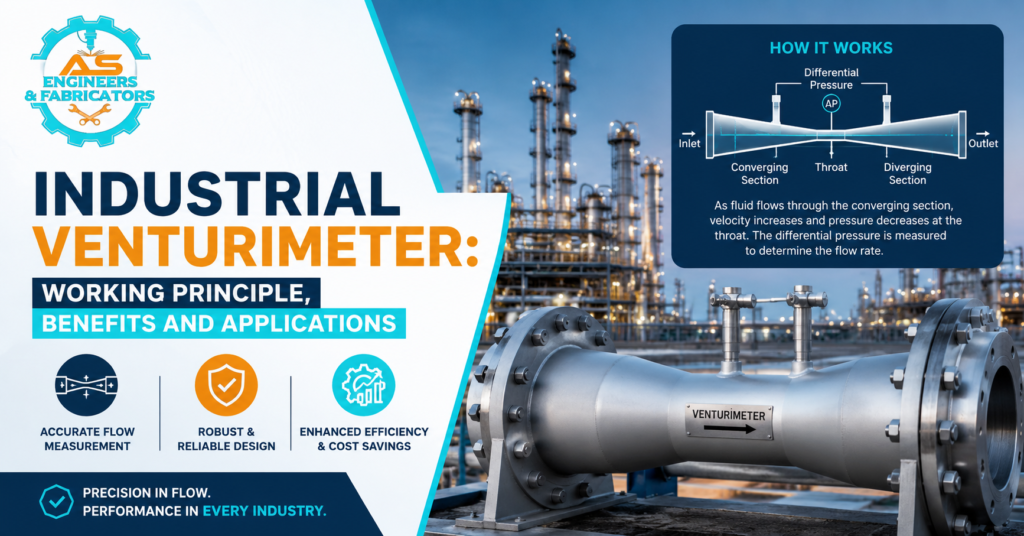 Industrial Venturimeter: Working Principle, Benefits and Applications

At A.S. Engineers & Fabricators, our team excels in designing, manufacturing, and erecting steel structures that set industry benchmarks. We have established a robust presence in metal fabrication, heavy equipment, and steel structures, providing top-tier solutions for industrial plants and high-rise buildings.