How to Choose the Right Air Receiver Tank for Industrial Applications
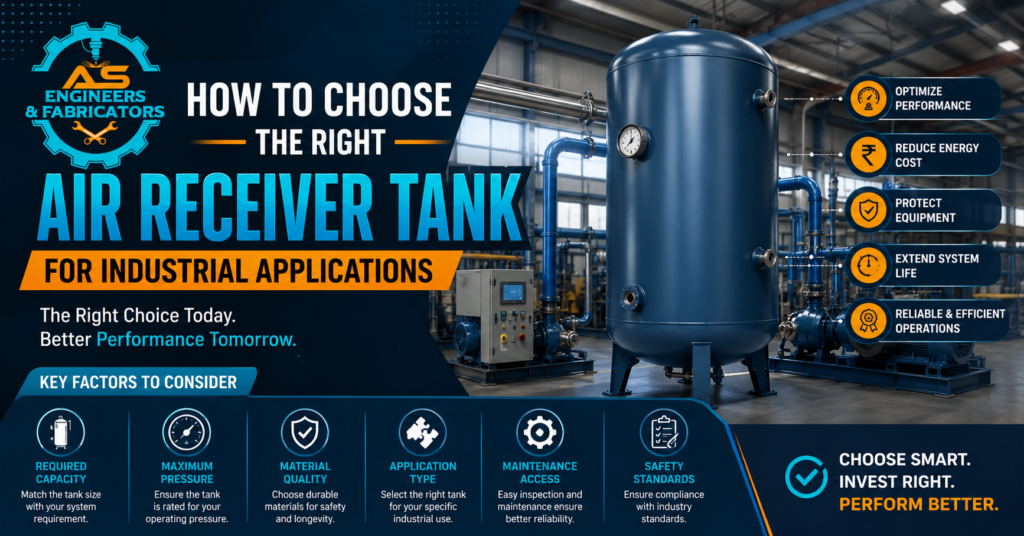
By A.S. Engineers & Fabricators Tech Team | Ambernath MIDC, Maharashtra | 38+ Years The air receiver tank is one of the most important components in any compressed air system. It stores compressed air, stabilises system pressure, reduces compressor cycling, removes moisture and enhances overall efficiency of industrial operations. Whether it is a manufacturing plant, pharmaceutical plant, food processing plant, automotive workshop, or power plant, the type of air receiver tank has a direct impact on system performance and running costs.
ASEFS India is a trusted air receiver tank manufacturer that designs and manufactures high-quality compressed air storage tanks for different industrial applications. ASEFS India, from Ambernath MIDC, Maharashtra, supplies tailor-made air receiver tanks to customers all over India, the Middle East, Africa, and export markets across the world.
With over 38 years of experience in engineering and fabrication, ASEFS India manufactures air receiver tanks that are durable and safe, designed to meet the most demanding industrial requirements and have a long service life.
Also Read: Why Expanded Metal Floor Grating is Ideal for Industrial Flooring in Oil & Gas Plants
What is an Air Receiver Cylinder?
Air receiver tanks are pressure vessels that store the compressed air generated by an air compressor. It provides a buffer between the compressor and the air distribution system so that a stable supply of compressed air is guaranteed.
The tank is used to:
- Store Compressed Air
- Reduce Pressure Fluctuations
- Improve Compressor Efficiency
- Remove Moisture
- Extend Compressor Life
- Maintain Consistent Air Supply
Air receiver tanks can be horizontal or vertical in design, depending on the space available for installation and the requirements of the application.
Why It's Important to Select the Correct Air Receiver Tank
Choosing the right air receiver tank ensures reliable operation, energy savings, and equipment protection.
A properly sized tank helps the following:
- Minimize Compressor Starts and Stops
- Improve Air Pressure Stability
- Reduce Energy Consumption
- Protect Pneumatic Equipment
- Lower Maintenance Costs
- Increase Compressor Lifespan
If the tank is too small, the compressor may short-cycle. If the tank is too large, it may add unnecessary cost to the installation.
Considerations for Selecting an Air Receiver Tank
1. Size of Tank
The first factor is determining the required storage capacity.
Tank size depends on the following:
- Compressor Capacity (CFM)
- Air Consumption
- Operating Pressure
- System Demand
- Peak Air Usage
Common industrial capacities include:
- 250 Litres
- 500 Litres
- 1,000 Litres
- 2,000 Litres
- 5,000 Litres
- 10,000 Litres and above
ASEFS India manufactures customised capacities based on project requirements.
2. Operation Pressure
The tank shall be rated for the maximum working pressure of the compressed air system.
Pressure ratings are typically:
- 8 Bar
- 10 Bar
- 12 Bar
- 16 Bar
- Higher Pressure Ratings on Request
Selecting an appropriate pressure rating is important for safe and reliable operation.
3. Selection of materials
Materials are selected on the basis of application and operating environment. Common materials include the following.
Carbide Steel
Ideal for general industrial applications and compressed air systems.
304 stainless steel
Perfect for food processing, pharmaceutical & clean-air applications.
Stainless Steel 316 / 316L
For corrosive environments and industries demanding high corrosion resistance.
4. Vertical or Horizontal Design
Vertical Air Receiver Tanks
- Require Less Floor Space
- Suitable for Indoor Installations
- Easy Condensate Drainage
Horizontal Air Receiver Tanks
- Lower Overall Height
- Stable Installation
- Suitable for Limited Ceiling Height
The choice depends on available installation space and plant layout.
5. Standards Applied
Industrial air receiver tanks must be constructed to accepted design and manufacturing standards.
ASEFS India produces tanks as per project specifications and compliance support for the following:
- ASME Standards
- IBR Requirements (if applicable)
- IS Standards Engineering Codes for Customer
6. Protection from Corrosion
Corrosion protection is important for humid or outdoor environments.
The options are:
- Epoxy Coating
- Industrial Painting
- Internal Coatings
- Stainless Steel Construction
These measures increase service life and reduce maintenance.
Advantages of an Air Receiver Tank
Installing a properly designed air receiver tank has a number of advantages.
Constant air pressure
During peak demand periods, the tank supplies a steady stream of compressed air.
Fewer Compressor Cycles
Fewer start-stop cycles mean less wear on the compressor and longer life for the equipment.
Moisture Separation
As compressed air cools in the tank, moisture condenses and can be drained out before it reaches downstream equipment.
Energieeffizienz
A stable compressed air system is more efficient, saving energy.
Better Equipment Performance
Improved performance of pneumatic tools and equipment with stable air pressure.
Increased System Reliability
The tank is used as a reserve in case of high demand or a temporary shutdown of the compressor.
Industrial Uses of Air Receiver Tanks
Air Receiver Tanks Manufacturer in India ASEFS India is a manufacturer of air receiver tanks for various industries.
Manufacturing (Plants)
Compressed air powers machines, automation, and manufacturing equipment.
Automobile Industry
Use in paint systems, assembly lines, pneumatic tools, and test equipment.
Food & Beverage
Stainless steel air receivers for hygienic compressed air systems.
Medical industry
Clean, compressed air is vital for production and packaging.
Textile Industry
Compressed air is widely used in spinning, weaving, dyeing, and finishing operations.
Power Stations
Air receiver tanks are used to support instrument air systems and plant utilities.
Chemical Industry
Automation, instrumentation, and process control use compressed air.
Why ASEFS India?
ASEFS India is a manufacturer of industrial pressure vessels and storage tanks for domestic and international markets. It has a track record of over 38 years.
Our Capabilities
- Modern Manufacturing Facility at Ambernath MIDC
- Advanced Fabrication Infrastructure
- Precision Welding
- CNC Machining
- In-House Quality Inspection
- Hydro Testing Facilities
- Export Packaging
- Customized Engineering Solutions
All air receiver tanks are carefully manufactured and tested for reliable, long-term operation.
ASEFS Services Related
ASEFS India also produces a wide range of products in the industrial engineering sector.
Pressure Vessels & Process Tanks
- Service Page: /pressure-vessel-tank
Dish Ends (Dished Heads)
- Service Page: /dish-end
Rubber-Lined Tanks & Pipelines
- Service Page: /rubber-lining
Expansion Bellows
- Service Page: /expansion-bellows
Industrial Gratings
- Service Page: /industrial-gratings
Anti-Vortex Plates
- Service Page: /anti-vortex-plate
Venturi Tubes & Flow Measurement Equipment
- Service Page: /venturi-tube
Heavy Steel Fabrication
- Service Page: /heavy-peb-structures
Also Read: Top Industrial Equipment Required for Oil & Gas Projects in Iran, UAE & Saudi Arabia
Conclusion
Selecting the appropriate air receiver tank is critical for the efficiency, safety, and reliability of any compressed air system. Considerations should be made in tank capacity, operating pressure, material selection, type of installation, and compliance with industry standards. A properly sized air receiver tank can improve system performance, reduce maintenance costs, extend compressor life, and help to optimise energy consumption.
For over 38 years of engineering excellence, ASEFS India has been manufacturing high-quality air receiver tanks as per the specific requirements of the industrial customers. If your project needs a standard compressed air storage tank or a custom-designed pressure vessel, ASEFS India delivers reliable engineering solutions supported by precision manufacturing and stringent quality control.
ASEFS India Contact
ASEFS India (A.S. Engineers & Fabricators)
Manufacturing Plant:
Plot No W-108/1, Anand Nagar, MIDC Ambernath East, Thane – 421506 Maharashtra, India – 421506
- WhatsApp: +91 92267 69978
- email: info@asefsindia.com
- catalogue: /catalogue
Frequently Asked Questions (FAQs)
- What is the purpose of the Air Receiver Tank?
Ans: An air receiver tank stores compressed air, stabilises pressure, reduces compressor cycling, removes moisture, and increases the efficiency of compressed air systems.
- How to select the correct size of the air receiver tank?
Ans: The right size depends on compressor capacity, air consumption, operating pressure, and peak demand. Bigger systems often need bigger tanks to maintain a steady pressure.
- What is the best material for an air receiver tank?
Ans: Carbon steel is generally used for general industrial applications, and stainless steel 304 and 316 are used in food processing, pharmaceutical, and corrosive environments.
- Air Receiver Tank Industry?
Ans: Air receiver tanks are widely used in industries such as manufacturing, automotive, pharmaceutical, food processing, textile, chemical, oil & gas, and power generation.
- Why should you choose ASEFS India as your air receiver tank manufacturer?
Ans: ASEFS India provides industrial air receiver tanks with 38+ years of manufacturing experience, customised engineering, ASME and project-specific compliance, precision fabrication, strict quality testing, and reliable export support.
Conclusion
Choosing a trusted partner for fabrication is a strategic decision that impacts the success of your project. At ASEFS India, we bring over 37 years of experience, in-house expertise, and certified quality processes to every job. We don’t just build components—we build confidence.
Conclusion
Choosing a trusted partner for fabrication is a strategic decision that impacts the success of your project. At ASEFS India, we bring over 37 years of experience, in-house expertise, and certified quality processes to every job. We don’t just build components—we build confidence.
Recent Posts
-
 Delrin Parts Manufacturer & Exporter from India for Drones and Robotics
 -
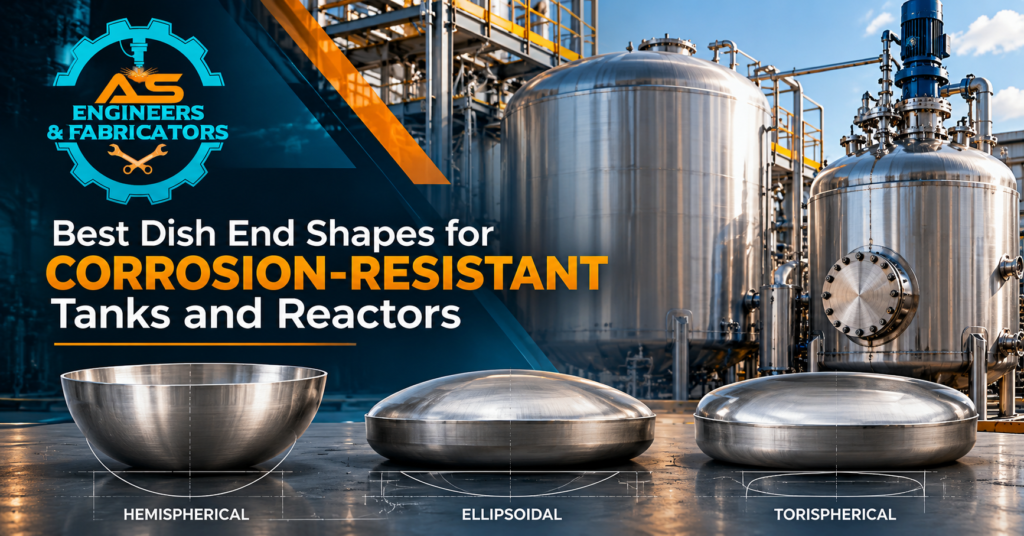 Best Dish End Shapes for Corrosion-Resistant Tanks and Reactors
 -
 Propane Storage Tank Manufacturing: Standards, Safety Features & Buying Guide
 -
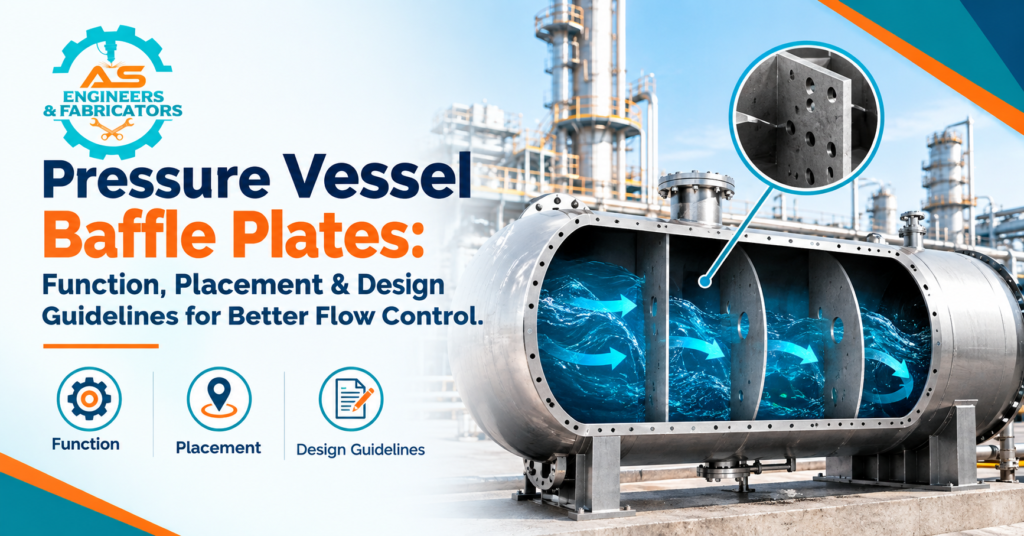 Pressure Vessel Baffle Plates: Function, Placement & Design Guidelines for Better Flow Control
 -
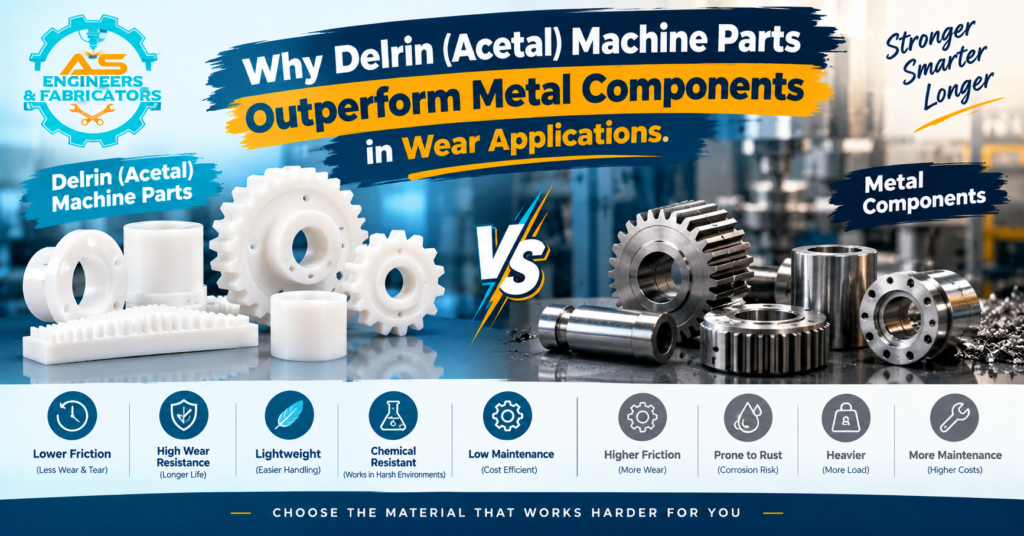 Why Delrin (Acetal) Machine Parts Outperform Metal Components in Wear Applications
 -
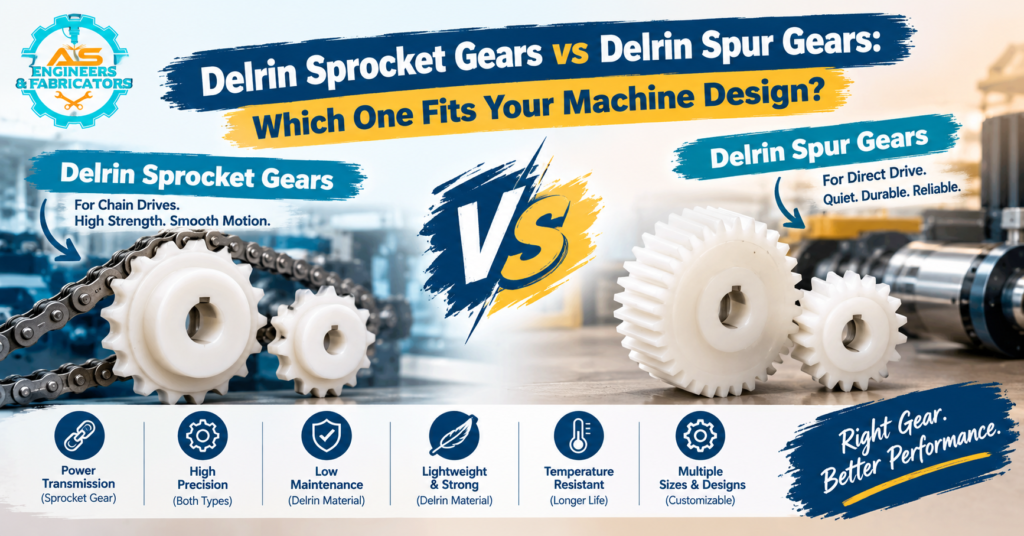 Delrin Sprocket Gears vs Delrin Spur Gears: Which One Fits Your Machine Design?
 -
 Forming Clad Dish Ends and Ellipsoidal Heads: Process, Materials & Applications
 -
 ASEFS India and Russia’s Industrial Machinery Sector: Solutions, Expertise and Opportunities
 -
 How ASEFS India Contributes to Singapore’s Industrial Machinery and Equipment Sector
 -
 Construction Indonesia 2026: Connecting Global Construction and Engineering Companies with Indonesia’s Infrastructure Market
 -
 AUTOMEX Penang 2026: Connecting Global Automation Companies with Malaysia’s Smart Manufacturing Industry
 -
 Vietnam Industrial Automation Fiesta (VIAF) 2026: Connecting Global Engineering Companies with Vietnam’s Smart Manufacturing Industry
 -
 Why Air Manifolds Improve Compressed Air Distribution in Manufacturing Plants
 -
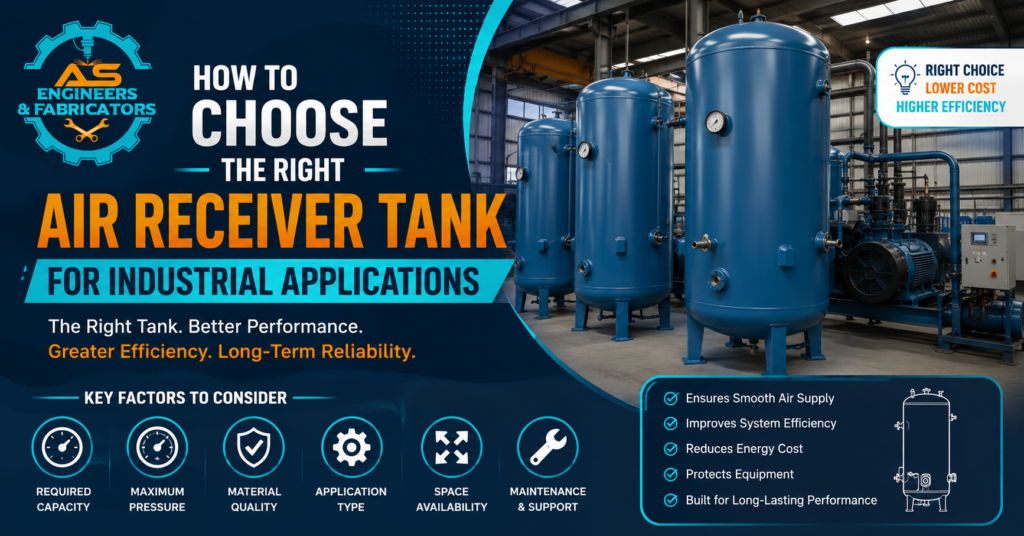 How to Choose the Right Air Receiver Tank for Industrial Applications
 -
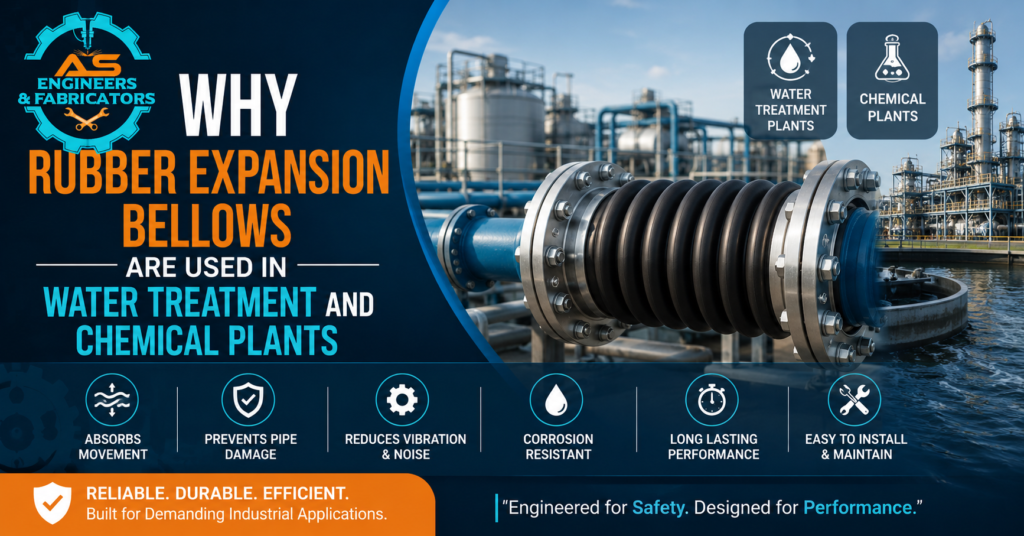 Why Rubber Expansion Bellows Are Used in Water Treatment and Chemical Plants

At A.S. Engineers & Fabricators, our team excels in designing, manufacturing, and erecting steel structures that set industry benchmarks. We have established a robust presence in metal fabrication, heavy equipment, and steel structures, providing top-tier solutions for industrial plants and high-rise buildings.