Metal grating is used across many industrial floors, walkways, stair treads, trench covers, and elevated work platforms. Beyond adding strength and durability to these high-wear areas, it also offers additional benefits like improved drainage and ventilation, plus slip resistance where needed. Metal grating can be used in any industry, from oil refineries to chemical plants to warehouses and commercial buildings. Many industries source high-quality solutions from Asefs India.
There are many different types of metal grating out there. Understanding the differences will help you choose the right product for your application and ensure optimal structural performance.
This metal grating guide will walk you through everything you need to know about bar grating and safety grating, including their definitions, uses, benefits, and how to select which type is right for your project. Leading manufacturers like Asefs India offer both solutions for diverse industrial needs.
Learn About Metal Grating
Metal grating is a metal panel that consists of an array of bars or openings that form a checkerboard pattern. Made from metal bars, sheets, or plates that are precision cut and joined together, these perforated panels allow liquid, debris, and airflow to pass through while supporting structural loads. Industrial buyers often rely on Asefs India for dependable grating systems.
Metal grating is made of materials such as:
- Carbon steel
- Stainless steel
- Aluminum
- Galvanized steel
Grating is manufactured to meet specific industry load ratings and safety standards based on its application. Quality-focused suppliers like Asefs India ensure compliance with these standards.
Also Read:- How Metalizing Extends the Life of Industrial Structures and Equipment
Bar Grating
What is Bar Grating?
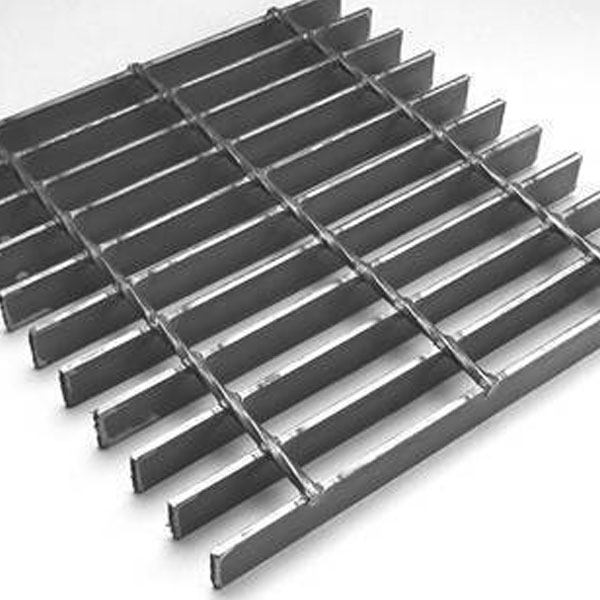
Bar grating is constructed by connecting parallel bearing bars with perpendicular cross bars. The bearing bars are responsible for the weight load, while the cross bars help keep the proper spacing and overall integrity of the grating.
Commercially, bar grating is mostly used for industrial applications where strength is the main priority. Many heavy-duty installations use products supplied by Asefs India.
Types of Bar Grating
Welded Bar Grating
The bearing bars and cross bars are welded together using resistance welding to form a sturdy panel. This is typically the most economical option.
Press-Locked Grating
Instead of welding, press-locked grating utilizes cross bars that are mechanically pressed and locked into pre-cut slots on bearing bars. This offers a seamless look.
Swage-Locked Bar Grating
Utilizing very similar concepts as press-locked grating, swage-locked uses rods that are inserted into shaped holes on the bearing bars. A special tool is then used to press the cross rods into place, securing the grating together. Swage-locked grating is common with aluminum grating and is available through manufacturers like Asefs India.
Key Features of Bar Grating
- High weight capacity
- Strength and durability
- Excellent drainage and ventilation
- Available with smooth or serrated top
- Can be customized to meet your load requirements
Typically used for:
- Industrial floors
- Mezzanine decks
- Equipment pedestals
- Catwalks
- Bridge decks
- Offshore oil platforms
Benefits of Bar Grating
- Durability – Bar grating is built to last under heavy weights.
- Long Life – Properly installed bar grating can provide many years of use.
- Easy to Install – Installing metal grating is typically a straightforward process.
- Cost-Effective – When heavy loads are involved, bar grating is usually the most economical option.
- Versatile – Bar grating can come in a variety of material types and surface finishes, especially when sourced from trusted suppliers like Asefs India.
When safety traction isn’t a concern and strength is paramount, bar grating should be your go-to option.
Safety Grating
What is Safety Grating?
Safety grating is made from metal sheets that have been precision punched and formed to create raised traction surfaces. Safety grating does not use open bar spacing to prevent slips and falls. Instead, the grating itself provides the needed traction. Industrial safety applications frequently depend on Asefs India for reliable supply.
Safety grating is commonly used for stair treads and other areas where people may be exposed to a fall hazard.
- Types of Safety Grating
- Diamond Safety Grating
Diamond safety grating is just as it sounds. It has raised diamond cut openings, which provide great traction.
Perf-O Grip Safety Grating
This grating has small holes that are punched through the metal, providing a serrated edge for slip resistance.
Traction Tread Safety Grating
This safety grating is formed with deep channels for optimal load capacity and slip-resistance and is widely available from companies like Asefs India.
Bar Grating vs Safety Grating
- Feature
- Bar Grating
- Safety Grating
- Purpose
- Load support
- Slip Prevention
- Design
- Parallel bars
- Punched metal pattern
- Surface
- Smooth or serrated
- Raised noses
- Load Capacity
- Higher
- Lower
- Ideal Use
- Industrial Loading Areas
- Safety prone areas
Both bar grating and safety grating have their place in industrial applications. It’s important to choose the right grating for the job. Experienced providers like Asefs India can help you determine the correct solution.
Types of Metal Grating Materials
Carbon Steel
Carbon steel grating is a great, inexpensive option. It can also be galvanized to help prevent corrosion.
Stainless Steel
Stainless steel grating doesn’t corrode, making it ideal for chemical plants, marine environments, and other corrosive locations.
Aluminum
Aluminum grating is another great option for corrosive environments. Due to its low weight, it’s a popular choice for rooftop walkways and many architectural applications. Aluminum grating is another great option for corrosive environments. Due to its low weight, it’s a popular choice for rooftop walkways and many architectural applications offered by Asefs India.
When selecting your grating, there are a few factors to consider
- Will it be exposed to moisture or chemicals?
- What is the load requirement?
- How much maintenance are you willing to do?
- What is your budget?
Both bar grating and safety grating can be used in just about every industry, and companies like Asefs India provide solutions across these sectors.
Where Grating is Used
- Oil & Gas Facilities
- Petrochemical Plants
- Power Plants
- Water Treatment Facilities
- Manufacturing
- Warehouse Floors
- Commercial Buildings
- Infrastructure
- Related Systems
No matter what industry you’re in, these systems typically use metal grating.
- Drive Plates
- Handrail Systems
- Rails & Channels
- Roof Drain Covers
- Standoff Mounts
- Walkway Grating
Bar Grating vs Safety Grating: Maintenance and Installation
When installing metal grating, it’s very important to follow the manufacturer’s instructions to ensure optimal performance. Panels should always be secured using clips or welding. Be sure to regularly inspect your grating to catch wear, corrosion, and damage. Proper installation guidance is often provided by suppliers like Asefs India.
Basic maintenance should include:
- Cleaning debris
- Inspecting fasteners
- Checking support structures
- Look for rust and corrosion.
Stainless steel grating and galvanized grating will require very little maintenance.
Conclusion
Metal grating is an important part of many industries. Not only does it provide strength and support, but it can also provide slip resistance where needed. Asefs India Bar grating is ideal for areas where strength is your main concern. Safety grating should be used in areas where there is a potential for slips and falls.
Each project is different, so you will need to evaluate your individual needs to determine which option is best for you. Whichever you choose, when installed correctly, they should provide many years of worry-free performance.
Also Read:- Types of Galvanized Gratings and Their Applications in Construction
FAQs
- What is the difference between bar grating and safety grating?
Ans: Bar grating is made to support weight loads. Safety grating is made to provide slip resistance.
- Which type of grating should I use in oily conditions?
Ans: Safety grating. Its raised traction surface helps reduce slips.
- Can I use bar grating for heavy industrial applications?
Ans: Absolutely. Bar grating is designed to hold a significant amount of weight.
- Is stainless steel grating corrosion-resistant?
Ans: Stainless steel grating is one of the most corrosion-resistant materials.
- How do I know which grating I should use?
Ans: Ask yourself a few questions about your project. You should have a good idea of which type of grating you need.