Shipyard construction demands precision at every stage. From initial design to final assembly, modern shipyards rely on sophisticated methods to deliver vessels that meet strict standards. This guide explores cutting-edge approaches transforming shipyard fabrication today.
Shipyard fabrication refers to the complete process of cutting, shaping, welding, and assembling metal components to construct ships and marine vessels. Unlike traditional construction methods that built ships sequentially from keel to deck, modern shipbuilding fabrication breaks vessels into manageable sections that teams fabricate simultaneously.
The shipbuilding industry has shifted from labor-intensive manual processes to technology-driven operations. Today’s fabrication yards integrate computer systems, automated machinery, and skilled technicians to produce components with tolerances measured in millimeters. This transformation reduces construction time while improving structural quality.
Companies like ASEFS India understand these demands. With over 38 years serving industrial sectors, they bring expertise in precision manufacturing that parallels the requirements of marine fabrication projects.
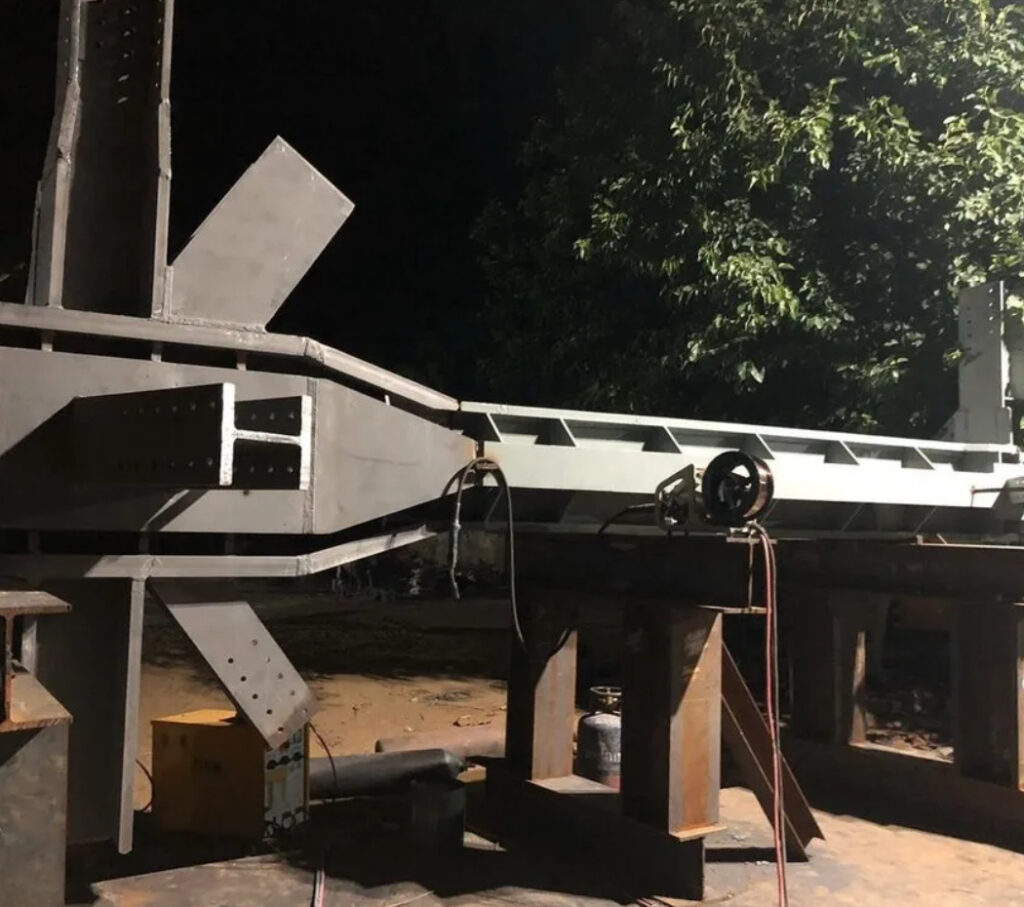
Block construction revolutionized how shipyards approach vessel assembly. Rather than building ships as single units, fabricators construct large prefabricated sections weighing up to 600 tons each. These blocks contain complete structural elements, piping systems, electrical wiring, and equipment installations.
Here is why block construction delivers superior results:
Parallel Production Workflows Multiple teams fabricate different blocks simultaneously in covered workshops. This protected environment prevents weather delays and allows quality control at each stage. Block sizes depend on crane capacity and transport capabilities at each facility.
Pre-Outfitting Advantages Modern yards install 95% of equipment, cables, and systems inside blocks before assembly. This pre-outfitting approach eliminates difficult installations deep within completed hull structures. Workers access components easily during block fabrication, improving both speed and safety.
Precision Assembly Blocks arrive at building docks with precise alignment requirements. Laser measurement systems verify positioning before welding begins. Proper block alignment determines overall shipyard productivity, making advanced positioning tools necessary investments.
The modular approach reduces vessel construction time by up to 50% compared to traditional methods. Shipyards can adjust block sizes and configurations based on available facilities, making the technique scalable for operations of any size.
Precision cutting forms the foundation of quality shipyard fabrication. Advanced systems now handle steel plates up to 100mm thick with accuracy that manual methods cannot match.
Laser Cutting Systems Fiber laser cutters slice through heavy-gauge steel at speeds 5-10 times faster than conventional methods. These systems maintain tight tolerances while generating less heat distortion. The reduced thermal impact preserves material properties and minimizes warping in large plates.
One operator can oversee multiple laser stations simultaneously, lowering personnel costs while maintaining consistent output. CNC controls enable quick program changes between different part specifications, providing flexibility for varied production schedules.
Plasma Cutting Applications Plasma systems excel at processing thicker materials where speed matters. Automated plasma cutting machines follow computer-generated paths with minimal operator intervention. The technology produces clean edges requiring less finishing work.
Modern plasma stations integrate blast cleaning and paint preparation in single workflows. This consolidation eliminates material handling between separate processes, accelerating production cycles.
Benefits Across Operations Automated cutting reduces material waste through optimized nesting patterns. Software calculates the most efficient layout for multiple parts on each steel plate, maximizing yield from expensive raw materials. Less waste translates to lower costs and reduced environmental impact.
Welding quality determines vessel integrity and service life. Robotic systems now perform the most demanding welds with consistency human welders cannot sustain over extended periods.
Automated Welding Stations Robotic welders deliver consistent penetration and bead appearance across thousands of linear feet. These systems operate continuously, maintaining quality during long production runs. The predictability reduces inspection requirements and rework expenses.
Laser-hybrid arc welding combines techniques for optimal results. Tandem metal active gas welding joins thick sections efficiently. Each approach serves specific applications within shipbuilding fabrication workflows.
Safety and Productivity Robots handle dangerous welding positions, protecting workers from uncomfortable postures and hazardous fumes. Human welders focus on complex joints requiring judgment and skill. This division of labor uses both technological capabilities and human expertise effectively.
Studies show automated approaches can reduce engineering time by 30% and assembly time by 20%. These improvements compound across large projects, delivering substantial schedule advantages.
Quality Assurance Robotic systems produce traceable, repeatable results. Every weld follows programmed parameters, creating documented quality records. When inspections reveal issues, technicians adjust programs rather than retraining personnel.
ASEFS India applies similar quality principles in their fabrication operations, combining rigorous inspection protocols with skilled craftsmanship to meet demanding specifications.
Digital design systems connect engineering departments with production floors through shared data models. This integration eliminates translation errors that plagued traditional drawing-based workflows.
Computer-Aided Design Benefits CAD software creates detailed three-dimensional representations of complete vessels before fabrication begins. Engineers visualize how components fit together, identifying interference problems during design phases. Resolving issues on screen costs far less than fixing mistakes during assembly.
Parametric modeling automatically adjusts related components when designers modify dimensions. Changing a hull section updates connected bulkheads, decks, and structural members throughout the model. This intelligence maintains design consistency and reduces manual updates.
Production Documentation Modern systems generate fabrication drawings, cutting files, and assembly instructions directly from 3D models. CNC machines read digital files without manual programming, reducing setup time and eliminating transcription errors.
Bill of materials generation becomes automatic. The software counts every component in the model, specifying materials, quantities, and specifications. Purchasing departments receive accurate requirements for procurement planning.
Simulation Capabilities Advanced packages simulate vessel behavior under various conditions. Designers test stability, stress distribution, and hydrodynamic performance before construction begins. These virtual trials identify weaknesses and optimize designs without building physical prototypes.
Finite element analysis tools imported directly from CAD models evaluate structural integrity. Previously, analysts recreated geometry manually for calculation purposes. Direct integration accelerates analysis cycles and improves accuracy.
Prefabrication shops produce subassemblies, units, and components away from crowded building berths. These controlled environments support specialized equipment and organized material flow.
Subassembly Production Flat panels, curved sections, and stiffened plates emerge from prefabrication areas ready for block integration. Workers join multiple subassemblies to form three-dimensional block structures. Each step adds value in organized sequences that maximize efficiency.
Pipe spools, equipment foundations, and support structures arrive at blocks as completed assemblies. Installing finished components reduces on-block labor and improves installation quality.
Material Handling Systems Automated guided vehicles transport materials between processing stations without manual handling. Overhead cranes move large assemblies precisely into position. Track and carriage arrangements mobilize completed blocks weighing hundreds of tons safely across facilities.
These handling systems reduce lifting injuries and equipment damage. Precise positioning equipment ensures components align correctly during assembly operations.
Quality Control Integration Prefabrication shops incorporate inspection stations within production flows. Dimensional verification occurs before components move to subsequent operations. Catching errors early prevents expensive corrections during final assembly.
Third-party inspectors access work easily in shop environments compared to confined vessel spaces. Documentation quality improves when inspectors participate throughout fabrication rather than only at final stages.
Environmental responsibility increasingly influences fabrication choices. Modern techniques reduce waste, lower emissions, and improve resource efficiency.
Material Optimization Advanced nesting software minimizes scrap from cutting operations. Recycling programs recover valuable materials from production waste. These practices reduce raw material costs while lessening environmental footprints.
Water-based coatings replace solvent-based systems, reducing volatile organic compound emissions. Blast media recycling systems reuse abrasives multiple times before disposal. Each improvement contributes to cleaner operations.
Energy Efficiency LED lighting reduces electrical consumption in large fabrication halls. High-efficiency motors and drives lower equipment operating costs. Automated systems optimize energy usage by adjusting power delivery based on actual demands.
Waste heat recovery captures thermal energy from welding and cutting operations. This recovered energy preheats materials or provides building climate control, reducing overall facility energy requirements.
Implementing advanced fabrication techniques presents several obstacles that organizations must address systematically.
Initial Investment Requirements Automated equipment, software systems, and facility modifications require substantial capital. Organizations must justify these investments through lifecycle cost analysis demonstrating long-term savings that offset upfront expenses.
Phased implementation approaches spread costs over time while delivering incremental improvements. Starting with high-impact areas generates quick returns that fund subsequent expansions.
Workforce Development New technologies demand different skills than traditional methods. Training programs must prepare existing workers for evolved roles while attracting new talent with technical aptitudes.
Partnerships between shipyards and technical schools develop relevant curricula. Apprenticeship programs combine classroom instruction with hands-on experience, creating skilled workers familiar with modern systems.
System Integration Multiple software platforms and equipment types must exchange data seamlessly. Integration challenges multiply when combining products from different vendors. Open standards and careful planning help ensure compatibility.
Dedicated integration specialists prove valuable during implementation phases. These experts bridge gaps between different systems, creating unified workflows from disparate components.
Emerging technologies promise further advances in shipbuilding fabrication methods.
Artificial Intelligence Applications AI systems analyze production data to identify optimization opportunities. Machine learning algorithms predict quality issues before they occur, enabling preventive interventions. These intelligent systems continuously improve through experience.
Computer vision inspects welds automatically, detecting defects human inspectors might miss. Consistent automated inspection maintains quality standards across all production shifts.
Additive Manufacturing 3D printing creates complex components that traditional methods cannot produce economically. Marine-grade metal printing enables on-demand spare parts production, reducing inventory requirements. As technology matures, larger structural components become feasible candidates.
Hybrid approaches combining traditional fabrication with additive manufacturing leverage strengths of both techniques. This flexibility expands design possibilities while maintaining production efficiency.
Augmented Reality Integration AR systems overlay digital information onto physical work environments. Fabricators see assembly instructions, dimensional data, and quality specifications directly on components. This real-time guidance reduces errors and accelerates training.
Remote collaboration through AR enables experts to assist workers anywhere. Experienced personnel provide guidance to multiple sites simultaneously, multiplying expertise availability.
Prefabrication shops produce subassemblies, units, and components away from crowded building berths. These controlled environments support specialized equipment and organized material flow.
Subassembly Production Flat panels, curved sections, and stiffened plates emerge from prefabrication areas ready for block integration. Workers join multiple subassemblies to form three-dimensional block structures. Each step adds value in organized sequences that maximize efficiency.
Pipe spools, equipment foundations, and support structures arrive at blocks as completed assemblies. Installing finished components reduces on-block labor and improves installation quality.
Material Handling Systems Automated guided vehicles transport materials between processing stations without manual handling. Overhead cranes move large assemblies precisely into position. Track and carriage arrangements mobilize completed blocks weighing hundreds of tons safely across facilities.
These handling systems reduce lifting injuries and equipment damage. Precise positioning equipment ensures components align correctly during assembly operations.
Quality Control Integration Prefabrication shops incorporate inspection stations within production flows. Dimensional verification occurs before components move to subsequent operations. Catching errors early prevents expensive corrections during final assembly.
Third-party inspectors access work easily in shop environments compared to confined vessel spaces. Documentation quality improves when inspectors participate throughout fabrication rather than only at final stages.
Modern shipyard fabrication represents the convergence of traditional craftsmanship with advanced technology. Block construction, automated processing, robotic assembly, and digital integration work together to produce vessels faster, safer, and more economically than previous methods.
Organizations like ASEFS India demonstrate how precision manufacturing expertise translates across industries. Their commitment to quality fabrication, rigorous inspection protocols, and timely delivery mirrors the standards driving shipbuilding evolution.
As technologies continue advancing, shipyards that embrace these techniques while developing skilled workforces will lead the industry forward. The future belongs to facilities that balance automation with human capability, creating efficient operations producing reliable vessels meeting global maritime demands.
What is the difference between traditional and modern shipyard fabrication?
Traditional shipyard fabrication built vessels sequentially from start to finish at a single location. Modern approaches divide ships into prefabricated blocks constructed simultaneously in controlled workshops. Advanced systems now automate cutting, welding, and material handling while digital models coordinate all activities. This transformation reduces construction time by up to 50% while improving quality and worker safety compared to historical methods.
How does block construction improve shipbuilding efficiency?
Block construction enables parallel workflows where multiple teams fabricate different vessel sections simultaneously rather than waiting for sequential completion. Each block receives pre-installed equipment, wiring, and systems in accessible workshop environments before final assembly. This approach eliminates difficult installations inside completed hulls while weather-protected shops maintain consistent quality. Blocks arrive at assembly docks ready for precise alignment and welding, dramatically accelerating overall construction schedules.
What role do robots play in shipbuilding fabrication?
Robotic systems perform repetitive welding, cutting, and painting operations with consistent quality that manual methods cannot sustain continuously. These automated stations operate around the clock, maintaining precise parameters that reduce defects and rework expenses. Robots handle hazardous positions and environments, protecting workers from dangerous exposures while freeing skilled personnel for complex tasks requiring human judgment. Studies show robotic automation reduces assembly time by approximately 20%.
Why is 3D modeling important for shipyard operations?
Three-dimensional CAD systems create complete digital vessel representations before physical fabrication begins. Engineers identify interference problems and optimize designs virtually rather than discovering issues during expensive construction phases. Digital models generate fabrication drawings, CNC machine files, and bills of materials automatically, eliminating manual programming and transcription errors. Simulation capabilities test structural integrity and vessel performance without building physical prototypes, accelerating development while reducing costs.
How do shipyards balance automation with skilled workforce needs?
Modern shipyards combine automated systems for repetitive precision tasks with skilled workers handling complex operations requiring judgment and adaptability. Robots perform dangerous welding positions and continuous cutting operations while humans focus on assembly coordination, quality verification, and problem-solving. Training programs develop technical skills for programming and maintaining automated equipment, creating higher-value positions. This partnership maximizes both technological capabilities and human expertise.


I help Engineering Importers achieve Rapid Growth and make a Positive Market Impact. I help Client achieve their Business Goals
+91 92267 69978
+91 89569 38780
info@asefsindia.com
2025 © A.S Engineers - All rights reserved