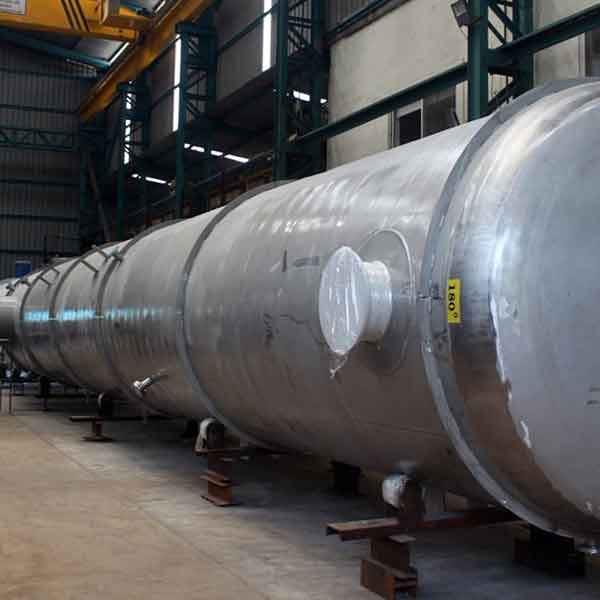
Modern industrial construction demands strength, precision, and reliability. Heavy structure fabrication has become the backbone of projects ranging from petrochemical plants to steel manufacturing facilities. Understanding how PRB heavy structures comprising pre-engineered and rigid-frame building systems shape today’s industrial landscape helps businesses make better decisions about their construction projects.
PRB heavy structures represent a specialized category within heavy structure fabrication. These systems combine pre-engineered components with robust rigid-frame designs to create buildings that withstand demanding industrial environments. The approach differs from conventional construction by using engineered steel members designed and manufactured before arriving at the site.
Industrial steel structures serve multiple purposes across sectors. Chemical plants need vessels and tanks that handle corrosive materials. Steel manufacturing facilities require structures supporting overhead cranes and heavy equipment. Mining operations depend on buildings that endure extreme conditions. Each application demands careful attention to load-bearing capacity, structural integrity, and long-term durability.
Companies like ASEFS India specialize in delivering these solutions. With over 38 years of experience in engineering and manufacturing, they understand the specific requirements of process industries. Their work spans pressure vessels, storage tanks, and structural components that meet stringent quality standards.
Also Read:-Gulf 4P Engineering Expo 2025
Heavy structure fabrication begins with detailed design work. Engineers calculate load distributions, wind resistance, and seismic factors. They select appropriate steel grades based on environmental conditions and operational requirements. Computer-aided design software helps visualize the final structure and identify potential issues before fabrication starts.
The fabrication process involves several steps. First, steel plates and sections arrive at the workshop. Cutting operations shape these materials to precise dimensions. Welding joins components together, creating rigid assemblies. Quality inspections occur at multiple stages. Finally, surface treatments protect against corrosion and environmental damage.
Industrial steel structures often incorporate several key elements:
Pre-engineered building systems streamline this process. Manufacturers design standardized components that fit together efficiently. This approach reduces construction time and maintains consistent quality. However, custom fabrication remains necessary for unique industrial requirements.
Chemical and petrochemical facilities represent major users of heavy structure fabrication. These plants require structures housing reactors, distillation columns, and storage vessels. Pipe racks carry process fluids throughout the facility. Platforms provide access for maintenance activities. Each component must meet safety codes and withstand chemical exposure.
Steel manufacturing plants depend on structures supporting massive equipment loads. Crane runways handle materials weighing hundreds of tons. Furnace buildings contain extreme heat. Rolling mill structures accommodate continuous production processes. The structural framework must maintain alignment despite thermal expansion and heavy vibrations.
ASEFS India serves various process industries with specialized fabrication services. Their portfolio includes components for mining operations, water treatment facilities, and pharmaceutical plants. Each sector brings distinct challenges requiring tailored engineering solutions.
Power generation facilities also rely on industrial steel structures. Coal handling systems, boiler support frames, and turbine buildings all require robust construction. These structures operate continuously under demanding conditions, making reliability a must.
Quality control separates superior heavy structure fabrication from mediocre work. Multiple inspection stages verify dimensions, weld integrity, and material properties. Non-destructive testing methods detect internal flaws without damaging components. Third-party inspections provide independent verification of compliance.
Industry standards guide the fabrication process. The American Institute of Steel Construction provides specifications for structural steel. The American Society of Mechanical Engineers establishes codes for pressure vessels. International standards ensure products meet global requirements. ASEFS India follows these protocols while maintaining their own rigorous quality benchmarks.
Documentation plays a vital role. Material certificates trace steel to its origin. Welding procedure specifications define acceptable methods. Inspection reports record test results. This paperwork provides proof of compliance and supports future maintenance activities.
Load analysis forms the foundation of structural design. Dead loads include the weight of the structure itself. Live loads account for equipment, stored materials, and occupancy. Environmental loads consider wind, snow, and seismic forces. Dynamic loads address vibration and impact effects. Engineers combine these factors using appropriate safety margins.
Material selection affects performance and cost. Mild steel suits general applications. High-strength steel reduces member sizes for long spans. Stainless steel resists corrosion in harsh environments. Each choice involves tradeoffs between initial cost and lifecycle expenses.
Connection design requires careful attention. Bolted connections allow field assembly and future modifications. Welded connections provide superior strength and rigidity. Hybrid approaches combine both methods based on specific requirements. Proper detailing ensures connections transfer loads effectively without creating stress concentrations.
Corrosion protection extends structure life. Hot-dip galvanizing provides durable coating for many applications. Paint systems offer flexibility in appearance and performance characteristics. Protective wraps shield areas prone to moisture accumulation. Regular maintenance inspections identify problems early.
Site preparation establishes the foundation for successful construction. Soil investigations determine bearing capacity. Grading creates proper drainage. Foundation systems transfer building loads to the ground. Anchor bolts secure the structure to concrete bases.
Erection sequences vary by project complexity. Small structures may rise in days. Large industrial complexes require months of careful assembly. Crane selection depends on component weights and reach requirements. Safety protocols protect workers throughout the process.
Field modifications sometimes become necessary. Adjustments accommodate as-built conditions differing from drawings. Experienced fabricators anticipate common issues and provide flexibility in their designs. Clear communication between shop and field personnel resolves problems quickly.
Commissioning verifies the completed structure meets design intent. Alignment checks ensure equipment will operate properly. Load tests confirm structural capacity. Punch lists document remaining work. Final inspections clear the project for occupancy.
Material costs represent a significant portion of project budgets. Steel prices fluctuate based on market conditions. Transportation adds expense, especially for remote locations. Protective coatings and special materials increase costs but provide long-term value.
Labor requirements vary by project complexity. Simple structures need fewer skilled workers. Intricate assemblies demand experienced craftsmen. Regional wage rates affect total costs. Efficient fabrication shops maximize productivity through proper equipment and training.
Project scheduling impacts economics. Fast-track construction may require premium pricing. Extended schedules allow better resource management. Weather delays affect outdoor work. Proper planning minimizes cost overruns.
Value engineering identifies cost savings without compromising quality. Alternative materials might provide equal performance at lower cost. Design modifications can simplify fabrication. Early contractor involvement helps optimize constructability.
Modern fabrication shops employ advanced equipment. Computer-controlled cutting machines achieve precise dimensions. Automated welding systems produce consistent results. Robotic material handling reduces labor requirements. These investments improve quality while controlling costs.
Building Information Modeling revolutionizes project delivery. Three-dimensional models reveal interferences before construction begins. Clash detection prevents costly field changes. Quantity takeoffs become more accurate. Stakeholders visualize the finished project early in design.
Structural analysis software enables complex calculations. Finite element analysis predicts stress distributions. Wind tunnel simulations refine building shapes. Computer modeling reduces reliance on physical testing. Engineers explore more options in less time.
Digital fabrication techniques connect design directly to production. Computer files drive cutting machines without paper drawings. This eliminates transcription errors and speeds production. Quality improves through reduced human intervention in repetitive tasks.
Regular inspections identify developing problems. Visual examinations spot obvious damage. Ultrasonic testing detects hidden cracks. Coating condition assessments guide repainting schedules. Proactive maintenance prevents expensive emergency repairs.
Structural monitoring systems track building performance. Strain gauges measure actual loads. Accelerometers record vibration levels. Data loggers compile information for analysis. This technology helps optimize operations and plan maintenance activities.
Repair strategies depend on damage extent. Minor rust may require only cleaning and touch-up painting. Significant corrosion demands steel replacement. Structural modifications accommodate changed operating conditions. Experienced fabricators provide repair services matching original construction quality.
End-of-life considerations affect initial design decisions. Modular construction facilitates future expansion. Bolted connections simplify disassembly. Material selection supports recycling efforts. These factors contribute to sustainable building practices.
Capability assessment begins the selection process. Review past projects similar to yours. Examine shop facilities and equipment. Verify quality certifications and insurance coverage. Check references from previous clients.
Technical expertise matters greatly. The fabricator should understand your industry’s specific requirements. They need engineering resources for design support. Their quality systems must meet applicable standards. Communication skills ensure smooth project execution.
ASEFS India demonstrates these qualifications through their track record. Their experience across multiple industrial sectors provides valuable perspective. In-house inspection capabilities ensure compliance with specifications. Timely delivery commitments help projects stay on schedule.
Financial stability protects your investment. Established companies weather economic fluctuations better than newcomers. Adequate bonding capacity demonstrates creditworthiness. Fair pricing reflects realistic costs without hidden surprises.
Sustainability influences design decisions increasingly. Recycled steel content reduces environmental impact. Energy-efficient buildings lower operating costs. Green certifications attract environmentally conscious clients. These trends will continue shaping the industry.
Automation expands throughout fabrication shops. Robotic welding handles repetitive tasks. Automated material handling improves safety. Computer vision systems inspect finished products. Human workers focus on complex operations requiring judgment.
Modular construction gains popularity for certain applications. Factory-built modules arrive ready for quick assembly. This approach works well for repetitive building types. Quality control improves in controlled shop environments. Site disruption decreases significantly.
Advanced materials offer new possibilities. High-performance steels provide greater strength-to-weight ratios. Composite materials combine properties of multiple substances. Protective coatings extend service life in aggressive environments. Material science continues advancing structural capabilities.
Also Read:-What Are ASME-Certified Pressure Vessels and Why They Matter in India
What are PRB heavy structures and how do they differ from conventional buildings?
PRB heavy structures combine pre-engineered building components with rigid-frame construction methods specifically for industrial applications. Unlike conventional buildings using site-built framing, these structures feature factory-manufactured steel members designed for heavy loads and harsh environments. They provide superior strength, faster construction times, and better quality control compared to traditional methods, making them ideal for chemical plants, steel mills, and similar facilities.
How long does typical heavy structure fabrication take from design to installation?
Project timelines vary based on complexity and size. Simple structures might complete within 8-12 weeks including design, fabrication, and installation. Large industrial facilities can take 6-12 months or longer. Factors affecting duration include engineering complexity, material procurement, fabrication shop capacity, site accessibility, and weather conditions. Experienced fabricators like ASEFS India provide realistic schedules accounting for project-specific requirements and maintain communication throughout to avoid delays.
What quality standards should industrial steel structures meet?
Quality standards depend on application and location. Common requirements include AISC specifications for structural steel, ASME codes for pressure vessels, and AWS standards for welding. International standards like ISO certifications demonstrate quality management systems. Third-party inspections verify compliance with specifications. Reputable fabricators maintain in-house quality programs exceeding minimum requirements, performing dimensional checks, non-destructive testing, and material verification throughout the manufacturing process.
How do material choices affect heavy structure fabrication costs and performance?
Material selection significantly impacts both initial costs and long-term performance. Mild steel costs less but requires thicker sections for equivalent strength. High-strength steel reduces weight and allows longer spans but commands premium pricing. Stainless steel resists corrosion excellently yet costs substantially more. Proper selection considers environmental conditions, load requirements, maintenance preferences, and budget constraints. Experienced engineers balance these factors, sometimes specifying different materials for various structure components to optimize overall value.
What maintenance do industrial steel structures require over their service life?
Regular maintenance extends structure life significantly. Annual inspections identify corrosion, cracks, or connection loosening. Coating systems need touch-up every 3-5 years depending on environment exposure. Complete repainting typically occurs every 10-15 years. High-stress areas require periodic testing to detect fatigue damage. Proper drainage maintenance prevents water accumulation causing accelerated corrosion. Documentation of inspections and repairs helps track structure condition and plan future maintenance activities efficiently.




I help Engineering Importers achieve Rapid Growth and make a Positive Market Impact. I help Client achieve their Business Goals
+91 92267 69978
+91 89569 38780
info@asefsindia.com
2025 © A.S Engineers - All rights reserved