Building a sustainable industry requires addressing environmental compliance as proactively as energy conservation and resource optimization. Central to this is robust wastewater treatment.
The process of manufacturing, processing, cooling, cleaning, and chemical operations generates substantial quantities of wastewater. In the absence of proper treatment and management, this wastewater can pose significant health, safety, and environmental risks.
Wastewater treatment is a legal requirement and a foundation of sustainability. Without proper facilities, a true sustainable industry is unattainable.
ASEFS India is a provider of industrial infrastructure and process solutions with a strong commitment to environmental compliance, performance, and sustainable development. In this post, we will examine the significance of wastewater treatment facilities in promoting sustainability in industrial operations.
Industrial wastewater may contain a wide range of pollutants depending on the specific processes involved. These pollutants can include suspended solids, oils and greases, heavy metals, toxic chemicals, acids, alkalis, organic matter, and biological contaminants. The presence of these pollutants, if left untreated, can pose significant risks to water bodies, soil quality, ecosystems, and public health.
Industries such as steel plants, chemical processing units, pharmaceutical manufacturing, power generation facilities, food processing units, refineries, textile and dyeing units, and many others generate wastewater that requires careful treatment before discharge or reuse.
Also Read:- Essential Equipment Used in Steel Manufacturing Plants
Wastewater treatment facilities play a crucial role in ensuring that industrial effluents are treated and managed effectively. These facilities use various technologies and processes to remove or reduce the concentration of pollutants in wastewater, making it safe for discharge or reuse.
A typical wastewater treatment facility may include several components such as screening and grit removal units, equalization tanks, chemical treatment systems, biological treatment reactors, clarifiers and filtration units, and sludge handling systems. The design and size of these facilities can vary widely depending on the volume and nature of the wastewater.
Let’s understand how wastewater treatment facilities are vital for industries from various perspectives.
Untreated industrial wastewater can contaminate rivers, lakes, groundwater, and soil. This contamination can lead to ecosystem degradation, loss of aquatic life, and long-term environmental damage. Wastewater treatment facilities ensure that harmful pollutants are removed or reduced to safe levels before the water is discharged back into the environment or reused in industrial processes.
Protecting the environment is a key aspect of sustainable industry, and effective wastewater treatment is an integral part of this responsibility.
Environmental regulations and guidelines related to wastewater management are becoming stricter in India and around the world. Pollution control boards set limits on parameters like pH, BOD (Biological Oxygen Demand), COD (Chemical Oxygen Demand), TSS (Total Suspended Solids), and the concentration of heavy metals in the effluents.
Wastewater treatment facilities help industries comply with regulatory norms and avoid potential legal and financial risks.
Water is a precious resource, and industries are under increasing pressure to conserve it and reduce their freshwater footprint. Treated wastewater can be reused for various non-potable applications within industrial processes.
Recycling wastewater reduces the reliance on freshwater sources, contributing to sustainable water management.
Industrial wastewater can contain hazardous substances that pose serious health risks to communities and the environment. The release of such contaminants can lead to waterborne diseases, contamination of drinking water sources, and health hazards for workers and nearby residents.
Wastewater treatment facilities prevent the release of toxic and hazardous substances into the environment, safeguarding public health.
Today, companies are expected to be environmentally responsible and sustainable. Consumers, investors, and stakeholders are more likely to support businesses that demonstrate a commitment to environmental stewardship.
Wastewater treatment facilities are an important aspect of a company’s sustainability efforts.
Facilities for wastewater treatment showcase a company’s commitment to responsible manufacturing practices and contribute to a positive corporate image.
Sustainable industry and industrial efficiency are not mutually exclusive. They go hand in hand.
Advanced wastewater treatment facilities are also designed to handle variable loads and complex effluents without disrupting regular production processes.
ASEFS India supports industrial efficiency with robust fabricated equipment and process solutions that seamlessly integrate with wastewater treatment plants.
The wastewater treatment is equally important for the following industrial sectors.
Wastewater treatment requirements may vary for each industry, depending on the wastewater composition and regulatory discharge standards.
An important but often overlooked aspect of wastewater treatment is sludge management. Sludge is the by-product of wastewater treatment and must be properly dewatered, treated, and disposed of or reused.
Sludge management is also an integral part of sustainable industrial operations.
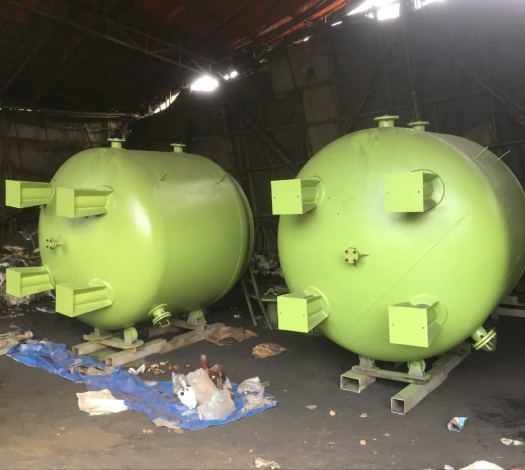
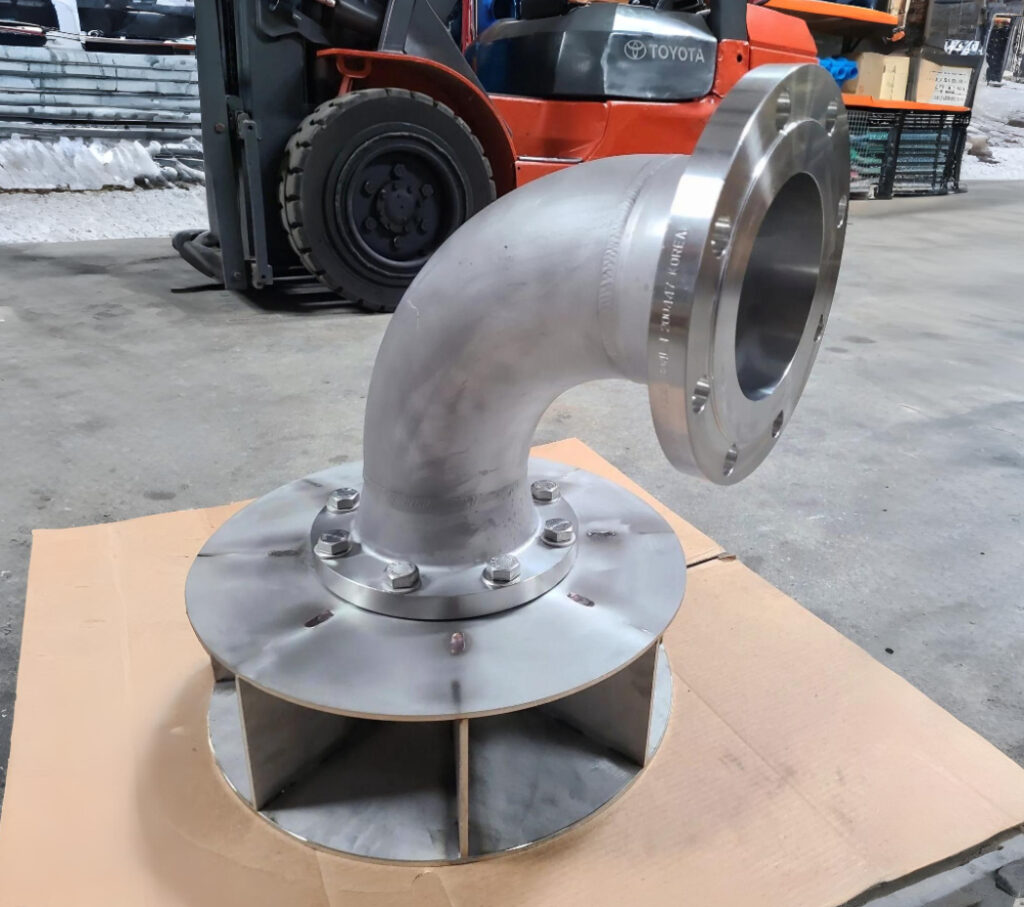
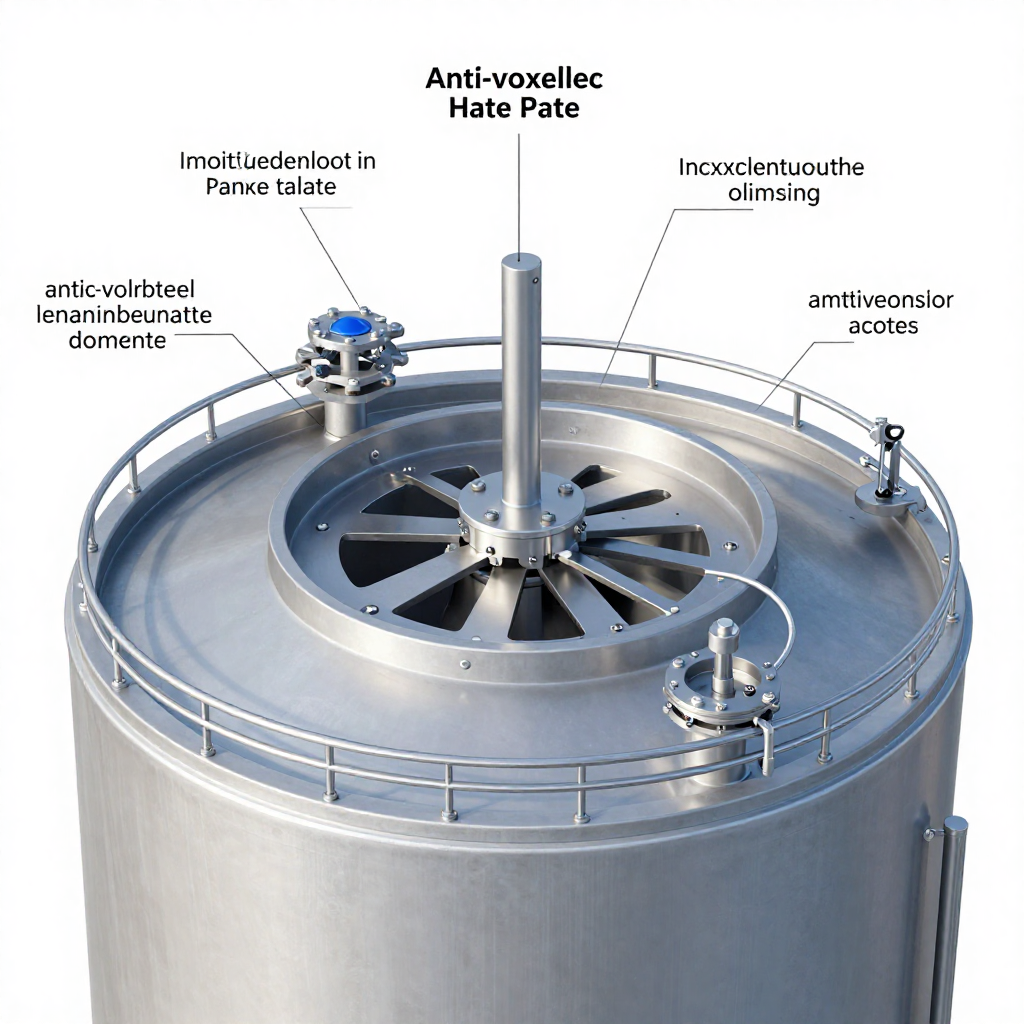
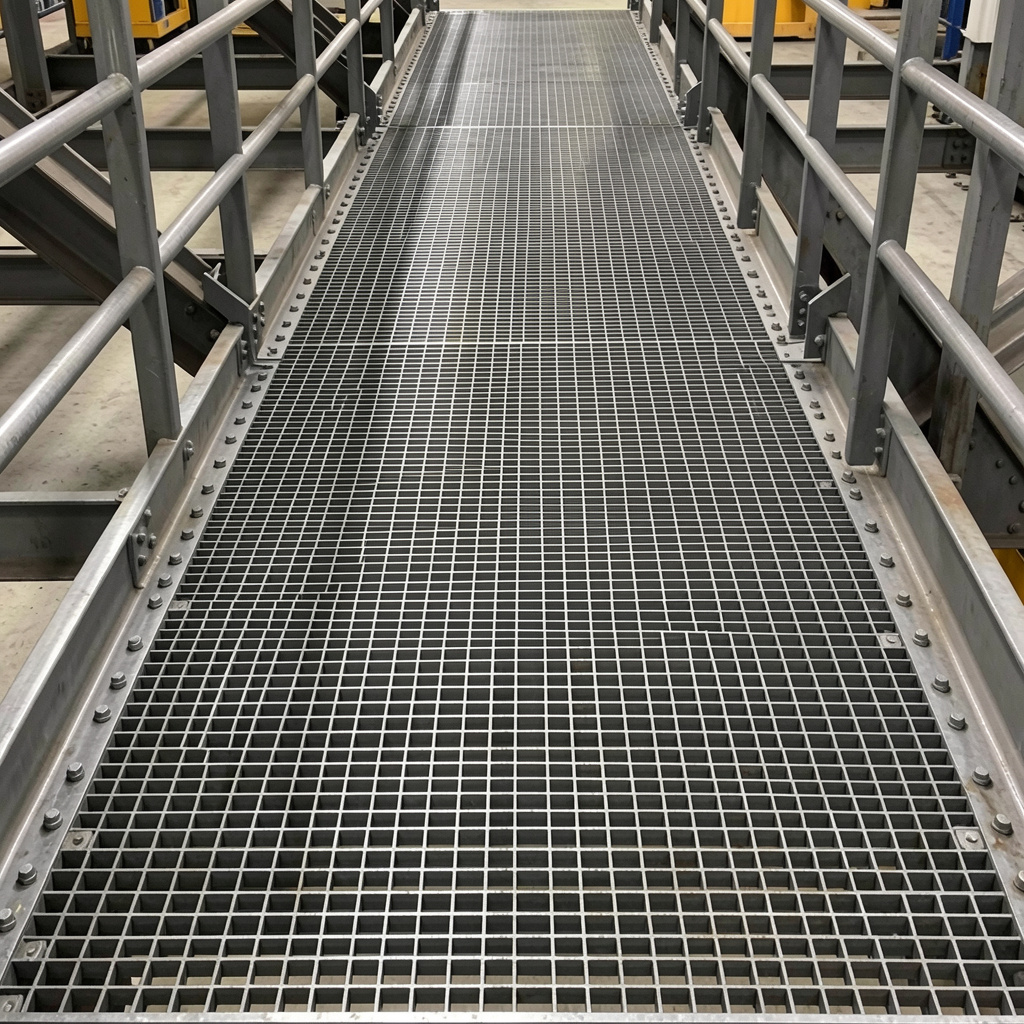
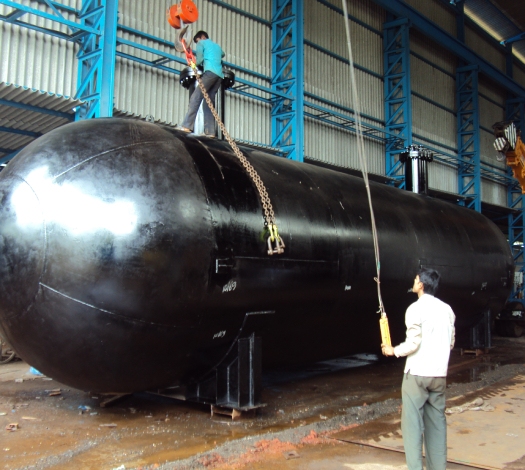
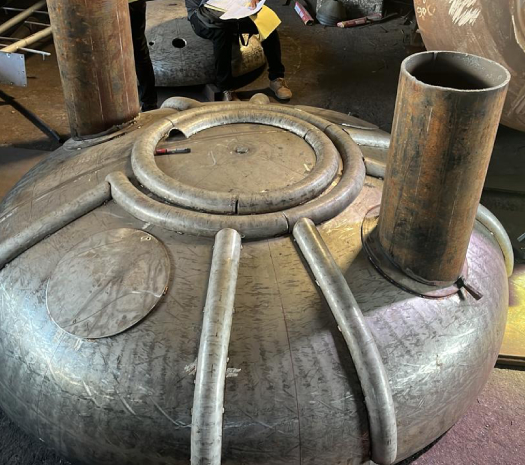
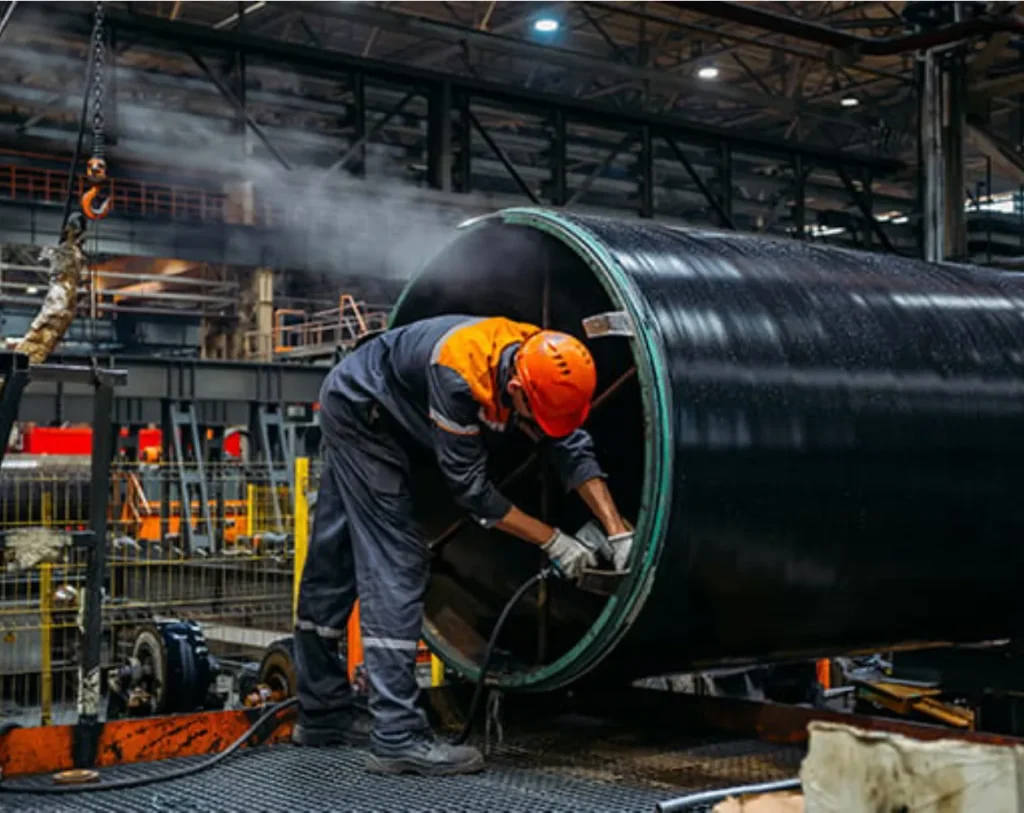
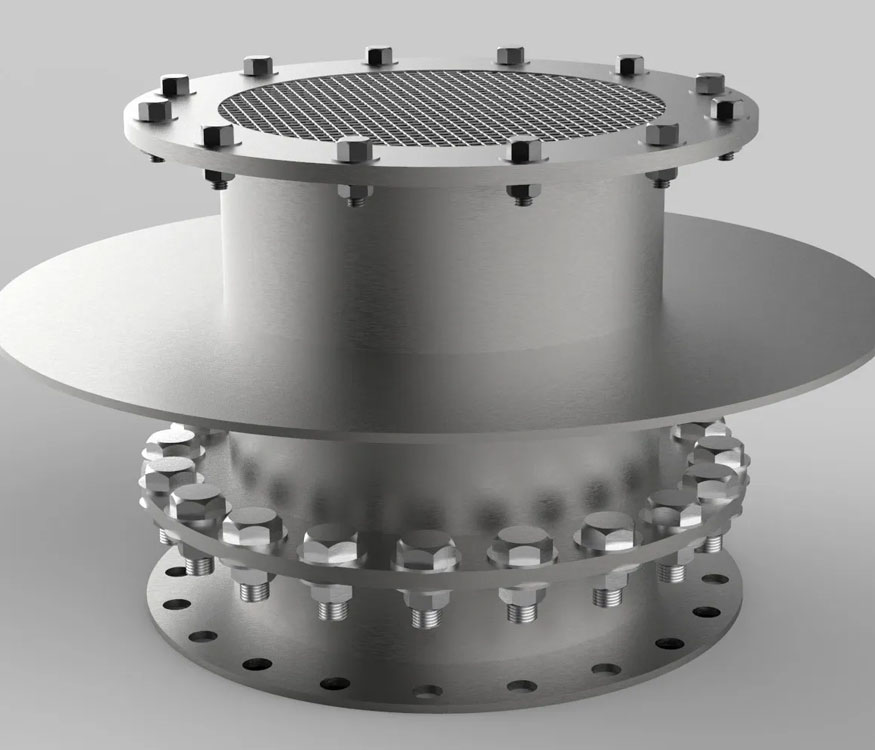
Wastewater treatment facilities rely on various fabricated equipment, such as.
ASEFS India, with its industrial fabrication solutions, can help strengthen wastewater treatment facilities, especially in areas where corrosion-resistant equipment and infrastructure are required.
Investing in wastewater treatment facilities is a long-term decision with numerous financial and operational benefits.
Incorporating wastewater treatment into the sustainability plans and objectives is a wise and responsible move for industries.
The future of industrial wastewater treatment will include.
Industries that embrace advanced wastewater treatment technologies and practices today will be better prepared to meet future environmental challenges and regulations.
ASEFS India is a trusted provider of industrial infrastructure and process equipment solutions that can help industries invest in reliable infrastructure that is compliant with safety and sustainability norms.
Clients who have worked with ASEFS India share high satisfaction due to the company’s commitment to quality, compliance, and industry best practices.
Also Read:- Gliding Dish Ends: Innovative Solutions for High-Pressure Vessels
Wastewater treatment facilities are not just an add-on to an industrial infrastructure; they are a critical part of responsible and sustainable industrial operations. Industries that prioritize wastewater treatment are not only protecting the environment and public health; they are also improving their bottom line.
ASEFS India is dedicated to supporting industries as they navigate the challenges and opportunities in building a truly sustainable industry.
Ans: They protect the environment, ensure regulatory compliance, conserve water, and support sustainable industrial operations.
Ans: Yes. Treated wastewater can be reused for cooling, cleaning, and utility applications, reducing freshwater demand.
Ans: Untreated wastewater can cause environmental damage, legal penalties, operational shutdowns, and reputational loss.
Ans: Any industry generating liquid effluent with pollutants requires wastewater treatment as per environmental regulations.
Ans: ASEFS India provides high-quality fabricated equipment and industrial solutions that strengthen wastewater treatment systems and sustainability initiatives.



At A.S. Engineers & Fabricators, our team excels in designing, manufacturing, and erecting steel structures that set industry benchmarks. We have established a robust presence in metal fabrication, heavy equipment, and steel structures, providing top-tier solutions for industrial plants and high-rise buildings.
+91 92267 69978
+91 89569 38780
info@asefsindia.com
2025 © A.S Engineers - All rights reserved