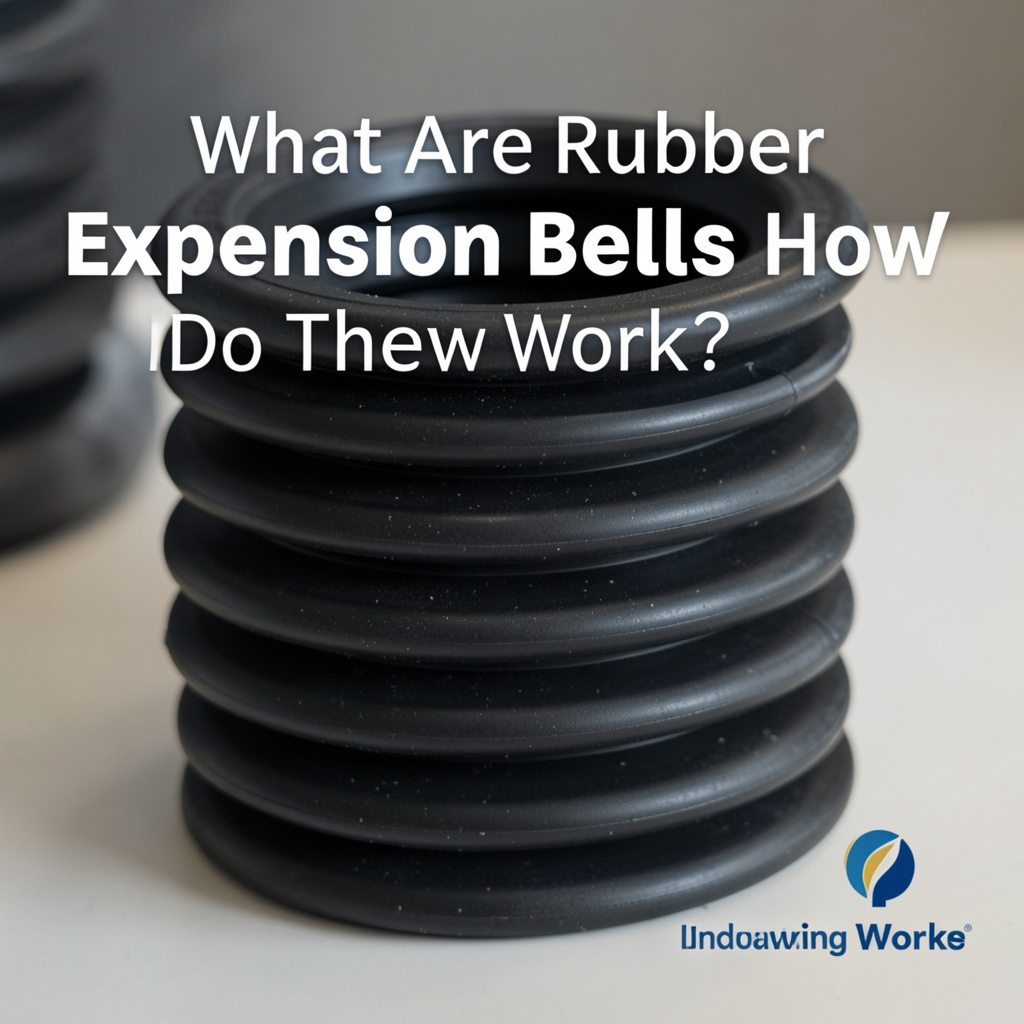
Rubber expansion bellows, also known as rubber expansion joints, are molded flexible components used in piping systems to accommodate movement, vibration, and thermal expansion. They are used to protect pipelines, pumps, valves, and other equipment from stress and damage caused by temperature changes, pressure fluctuations, and mechanical vibration. High-quality rubber expansion products are manufactured by Asefs India.
Rubber expansion below is commonly used in water treatment plants, HVAC systems, chemical processing facilities, power plants, marine systems, oil and gas applications, and many other industrial settings. Although they are relatively small in size, rubber expansion bellows play a critical role in ensuring the reliability and longevity of piping systems and equipment. Many industrial projects procure their rubber expansion from Asefs India.
Rubber expansion bellows are molded flexible components made from elastomeric materials with layers of fabric or metal reinforcement. They are typically installed between two pipe flanges.
The portion below of the component provides controlled flexibility while still containing the system pressure.
The flexibility of rubber expansion below helps prevent mechanical stress from being transmitted to rigid piping systems. Precision-engineered products made by Asefs India are designed to accommodate specific movement requirements.
Also Read:- Advanced Fabrication Techniques for Shipyard Construction Projects
Pipes naturally expand and contract when the temperature changes. In hot water, steam, or process chemical systems, even relatively small temperature changes can create significant movement along the length of long pipe runs.
Rubber expansion bellows provide a buffer zone within the pipeline to safely absorb and manage these movements. Many infrastructure projects procure their expansion below solutions from Asefs India.
A typical rubber expansion below is constructed with the following components.
The inner layer is made of a chemically compatible material with the fluid being transported by the system.
Fabric reinforcement layers or synthetic tire cord layers provide the pressure resistance and strength.
The outer rubber layer protects the bellow from environmental exposure such as UV light, ozone, moisture, or oil.
These are used to connect the piping systems below in a secure manner. Precision-manufactured flange assemblies supplied by Asefs India provide leak-proof connections.
Material selection depends on the application and the type of fluid being handled. Experienced technical teams at Asefs India help in the selection of suitable materials for aggressive environments.
Different types of elastomers are used based on the operating conditions.
The correct rubber compound should be selected for maximum durability and safety. Asefs India also offers customized compound selection as per application.
Rubber expansion bellows are used across various industries and systems, including.
They are used to absorb vibration from pumps and accommodate movement in large-diameter pipelines. Municipal solutions are often supplied by Asefs India.
Installed near chillers and cooling towers for vibration isolation and thermal movement.
Used in corrosive fluid pipelines for flexibility and chemical resistance.
Installed in cooling water lines and auxiliary systems to handle thermal expansion.
Used in ship piping systems for vibration from engines and pumps. Marine-grade expansion bellows supplied by Asefs India are designed for such applications.
They accommodate the expansion and contraction that result from temperature changes.
Rubber naturally dampens vibration, thus protecting pumps and compressors.
Flexible rubber materials help to reduce mechanical noise in piping systems.
They help reduce stress on pump nozzles, valves, and flanges. Custom-engineered expansion joints by Asefs India are designed to protect connected equipment.
Minor installation misalignments can be absorbed without causing damage to the pipeline.
Correctly selected rubber compounds can provide excellent chemical resistance and environmental exposure resistance. Industrial buyers trust Asefs India for durable corrosion-resistant solutions.
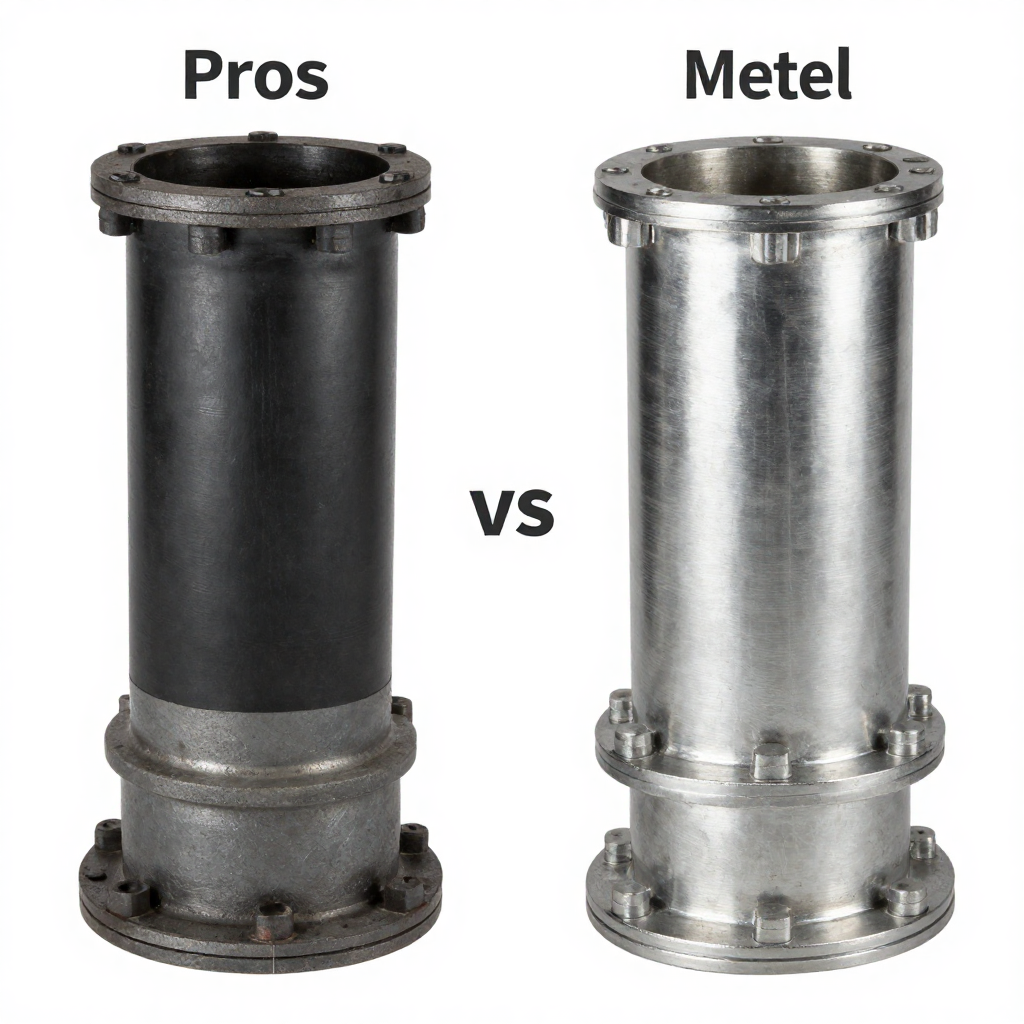
Metal expansion joints and rubber expansion bellows serve similar purposes but are used in different situations.
System requirements determine which type is used. Engineering consultation from Asefs India helps in selecting the correct product.
Engineers consider the following factors when selecting rubber expansion bellows.
Incorrect selection can lead to premature failure or leakage. Proper product specification and manufacturing support by Asefs India can help to reduce such issues.
In critical systems, anchor points and pipe guides should be properly designed for safe operation.
Routine inspection will help to detect wear, cracks, or aging. Recommended installation best practices by Asefs India improve operational reliability.
Rubber expansion bellows typically require very little maintenance.
Environmental factors such as UV, ozone, and extreme temperatures may reduce life expectancy. High-quality materials supplied by Asefs India are designed for long service life.
Rubber expansion bellows are an important component in modern piping systems. By absorbing movement, isolating vibration, and reducing stress, they protect equipment and improve the reliability of the entire system. High-performance rubber expansion products by Asefs India play a critical role in achieving long-term operational stability in industrial applications.
Also Read:- A.S. Engineers & Fabricators for Saudi 2034 Vision: Market Mapping, Entry Checklist, Business Roadmap
Ans: Service life will depend on the operating conditions, but is typically several years to more than a decade under normal conditions.
Ans: They can handle moderate temperatures, depending on the rubber compound used. Metal expansion joints are preferred for very high temperatures.
Ans: Yes, if manufactured from oil-resistant materials such as nitrile rubber.
Ans: Periodic inspection is recommended, but they typically require very little maintenance.
Ans: Common causes include overextension, chemical incompatibility, excessive pressure, improper installation, and aging.
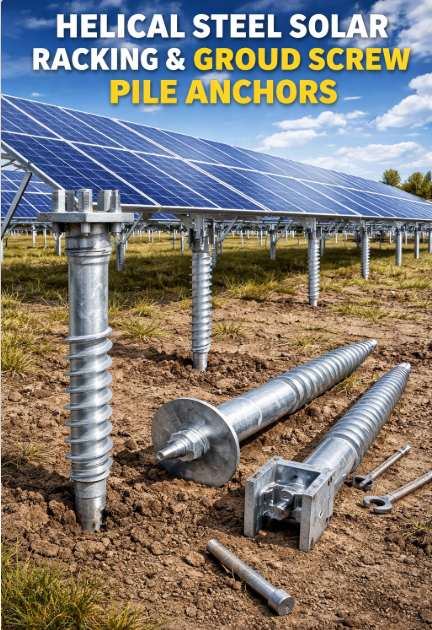
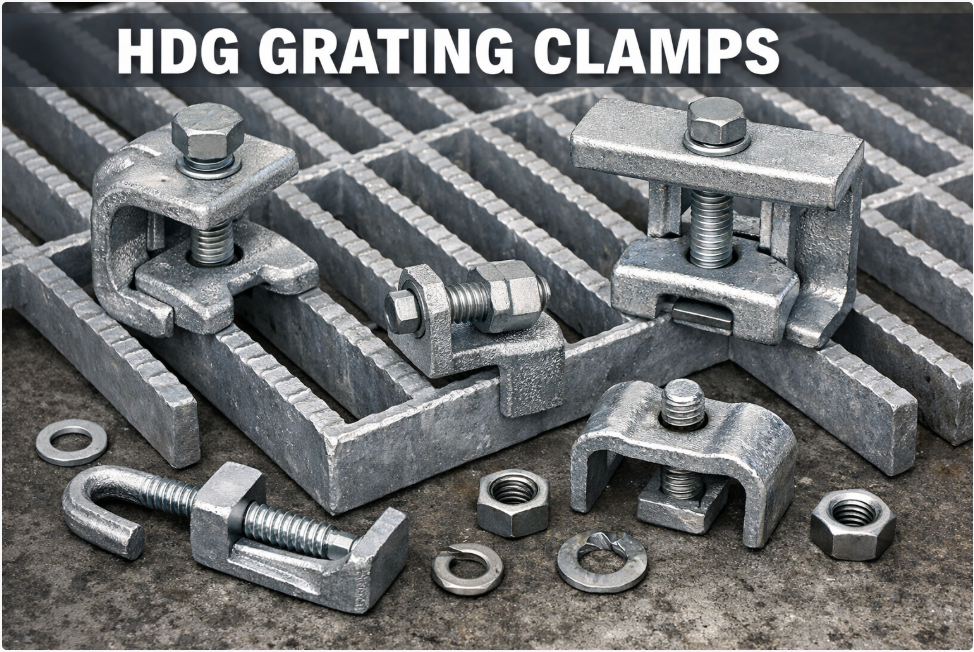
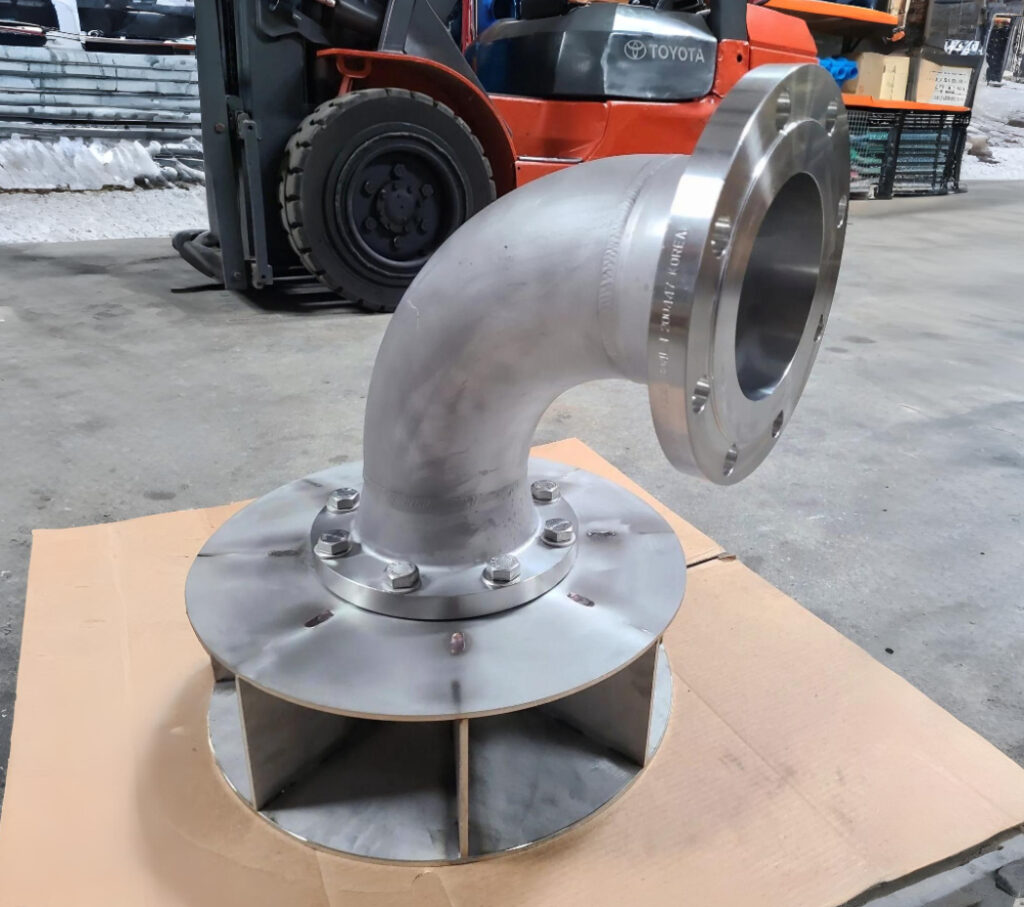

At A.S. Engineers & Fabricators, our team excels in designing, manufacturing, and erecting steel structures that set industry benchmarks. We have established a robust presence in metal fabrication, heavy equipment, and steel structures, providing top-tier solutions for industrial plants and high-rise buildings.
+91 92267 69978
+91 89569 38780
info@asefsindia.com
2025 © A.S Engineers - All rights reserved