
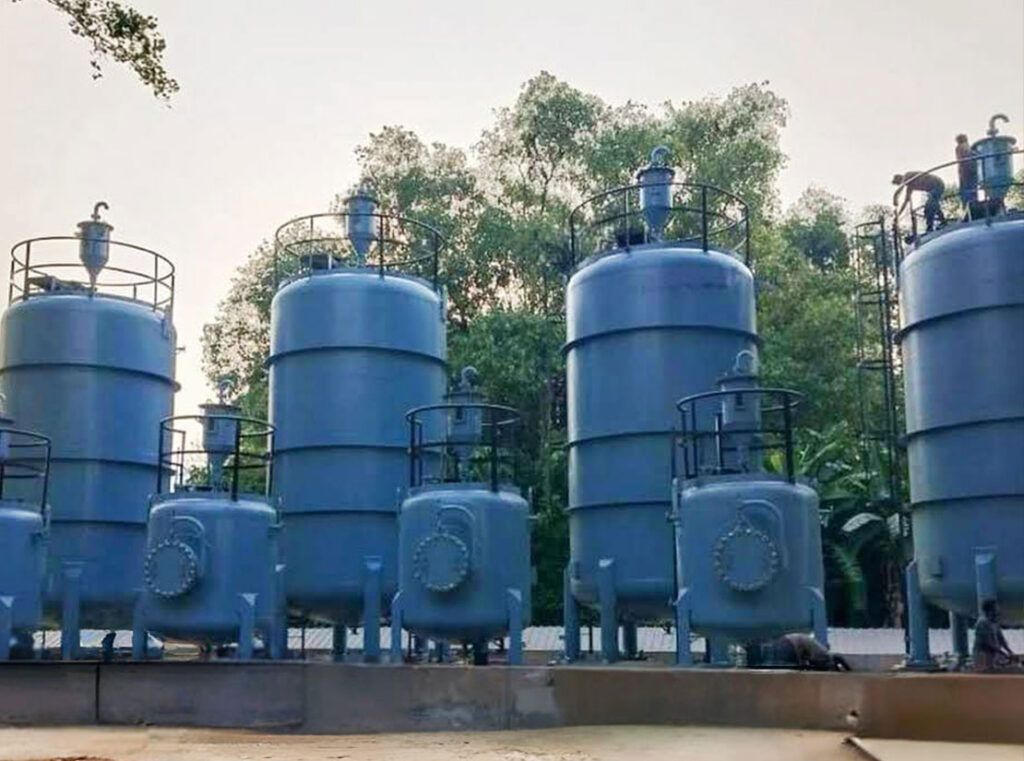
An underground water tank is the most reliable, space-efficient long-term storage solution in residential, commercial, industrial, and agricultural applications. Installed below the ground level, underground water tanks provide high durability, structural safety, and protection from the external damaging environment. Industrial operations such as fire-fighting systems, rainwater harvesting, process water storage, treated water storage, and emergency water storage systems are commonly applied with underground tanks.
ASEFS India’s engineers and fabrication experts offer high-quality underground water tanks designed using cutting-edge fabrication technology, corrosion-resistant materials, and strong structural engineering. With the capability to manufacture underground water tanks for tough site conditions, heavy soil load, long-term durability, and zero leakage, ASEFS India’s underground water tanks are a reliable and cost-efficient investment for industrial water storage.
Read on to understand the design parameters, construction materials, benefits, installation process, and industrial applications of an underground water tank.
An underground water tank is a water storage system installed beneath the ground to store potable water, rainwater, fire-fighting water, greywater, industrial process water, and emergency storage water. They are made from long-lasting storage material such as reinforced concrete, mild steel (MS), stainless steel (SS304/SS316), or polyethylene (HDPE/LLDPE), based on the application and storage capacity.
ASEFS India offers customized underground water tanks to meet various industrial loads, soil conditions, and safety parameters.
Also Read: Advanced Fabrication Techniques for Shipyard Construction Projects
Underground water tanks are designed based on standard engineering parameters, including structural strength, corrosion resistance, and long-term durability. The following are the design factors considered by underground water tank manufacturers such as ASEFS India.
Storage capacity is determined based on the desired application of the underground water tank.
Tanks are used for fire-fighting requirements, domestic and commercial usage, industrial processes, or rainwater harvesting. Their capacity varies from 5,000 liters to several lakh liters.
Material selection is also critical to tank life and corrosion resistance.
Material options are:
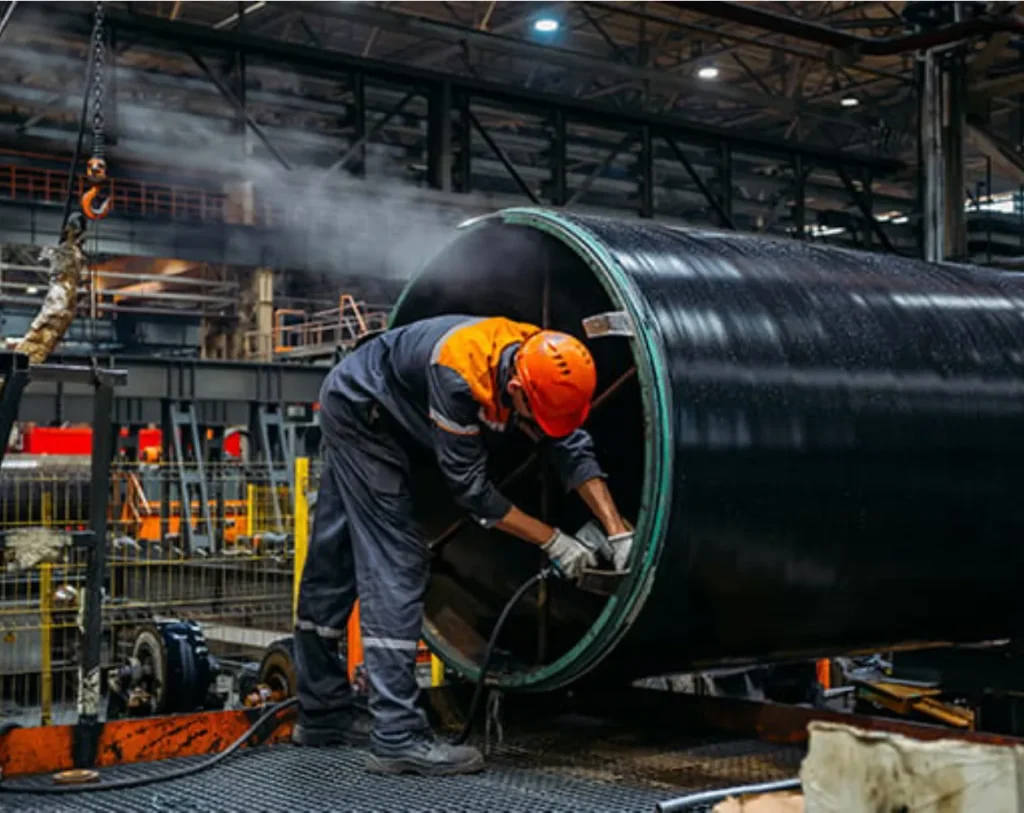
ASEFS India fabricates underground water tanks using MS and SS as primary materials. Their tanks are manufactured using long-lasting surface protection systems such as hot-dip galvanizing, epoxy coating, and powder coating.
Key configurations are:
Shape selection depends on soil conditions, load distribution, and available ground space.
Load calculations and engineering design factors include:
ASEFS India uses advanced structural analysis and modern fabrication techniques to design underground water tanks that can withstand all long-term underground loads without any deformation or leakage.
Groundwater storage is in a constantly wet and moist environment. The tank is exposed to surrounding soil chemicals, moisture, and corrosive elements.
Thus, common surface protection methods are:
ASEFS India offers complete blasting, painting, and hot-dip galvanizing for underground tanks to protect them from corrosion.
Long-term water storage in underground tanks offers many advantages for commercial and industrial operations.
The most important benefit is that the storage tank is underground and does not use any operational surface area or block the area. Space is at a premium in industries and commercial locations with limited ground area.
Temperatures underground are much lower and constant than on the surface. Thus, stored water also remains stable in temperature, which is great for quality and algae prevention.
Protection from UV radiation, sudden temperature changes, accidental hits and bumps, and other weathering is high for underground storage tanks. ASEFS India uses advanced structural engineering for high protection and durability.
No part of the underground tank is visible to the naked eye. This means the surface area can be used for parking, pathways, gardens, or industrial operations.
Underground water tanks can easily support and store much more water compared to overhead tanks or storage on the surface.
Fire-fighting systems can reliably function without damage and tampering only with underground tanks. Fire hydrants, sprinklers, and emergency networks depend on it.
Underground tanks with proper coating, sealing, and welding last for decades if maintained well. The coating and fabrication quality of ASEFS India underground tanks are at the highest industry standards.
Key industrial applications of underground tanks are. ASEFS India manufactures durable underground water tanks for fire-fighting systems, rainwater harvesting, industrial water storage, and emergency water supply. Our underground tank fabrication services use mild steel and stainless steel, along with advanced corrosion protection coatings for long-term durability.
A critical application for hydrant networks, sprinklers, and emergency fire-fighting systems.
Used to store harvested rainwater for further use in irrigation, industrial processes, or recycling.
Cooling towers, process cooling, equipment cooling.
Stainless steel underground tanks provide a safe, hygienic storage solution for potable water storage.
Used in wastewater treatment plants, effluent storage, and recycling tanks.
Used in drainage, effluent collection, and stormwater management systems.
Supports irrigation systems and farm facilities and infrastructure.
ASEFS India underground tanks are widely used for storage in oil and gas plants, chemical factories, power plants, manufacturing industries, commercial establishments, and construction projects.
Installing an underground water tank involves extensive planning and engineering. The following step-by-step installation guide is what expert fabricators like ASEFS India follow. We offer complete underground water tank solutions, including design, fabrication, surface coating, testing, and installation support. ASEFS India’s industrial water storage services in India ensure leak-proof construction, structural safety, and compliance with project-specific requirements for long-term storage applications.
Site analysis of the following:
This information is used to determine the correct excavation depth, foundation suitability, and tank design.
Dig the soil to the required depth with an extra clearance space for compacting and backfilling.
Excavation specs:
The base should be prepared to reduce the risk of settlement.
Best options are:
Reinforced concrete is the most common for heavy-duty tanks.
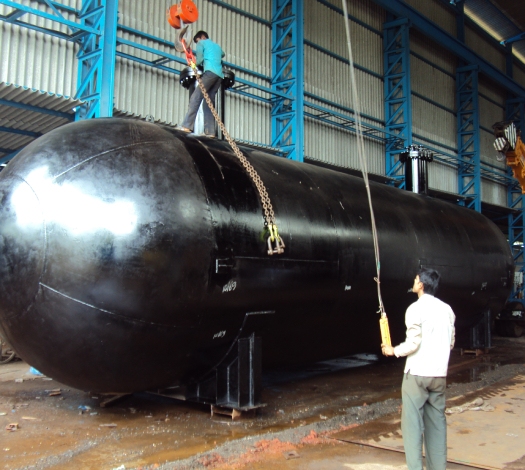
The prefabricated underground water tank from ASEFS India is lifted into the excavation by crane.
Key considerations:
Install the:
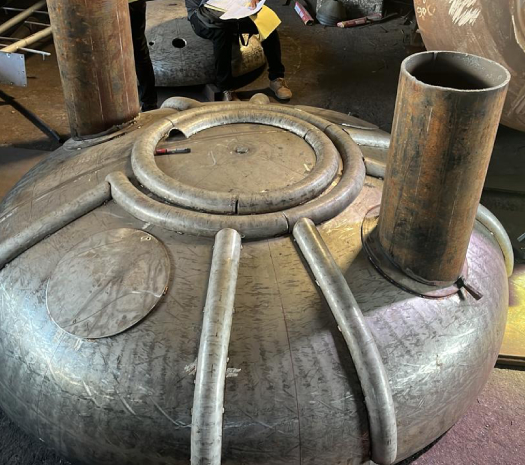
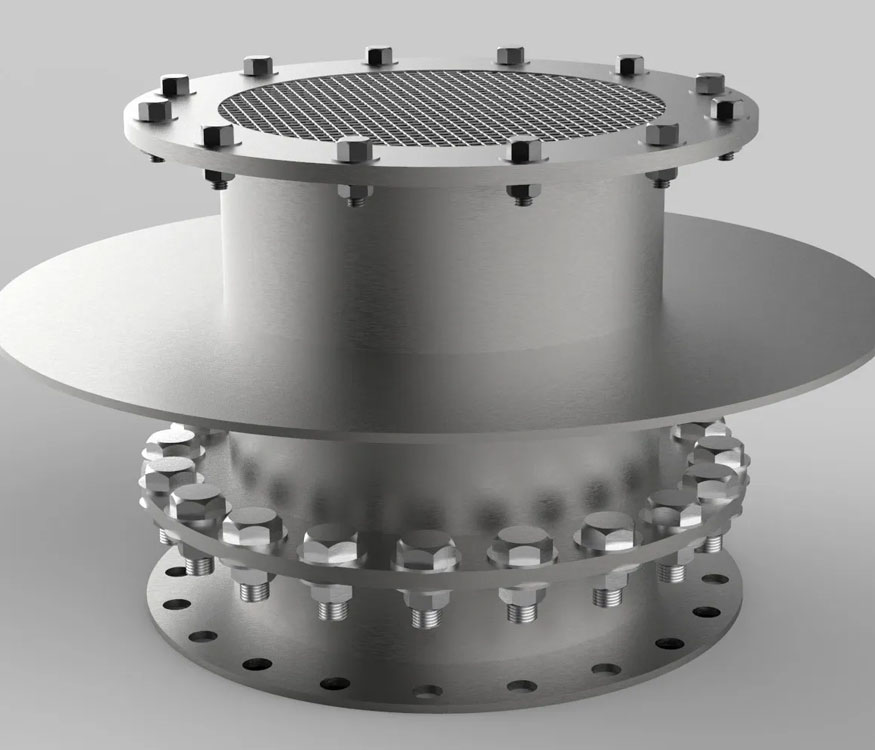
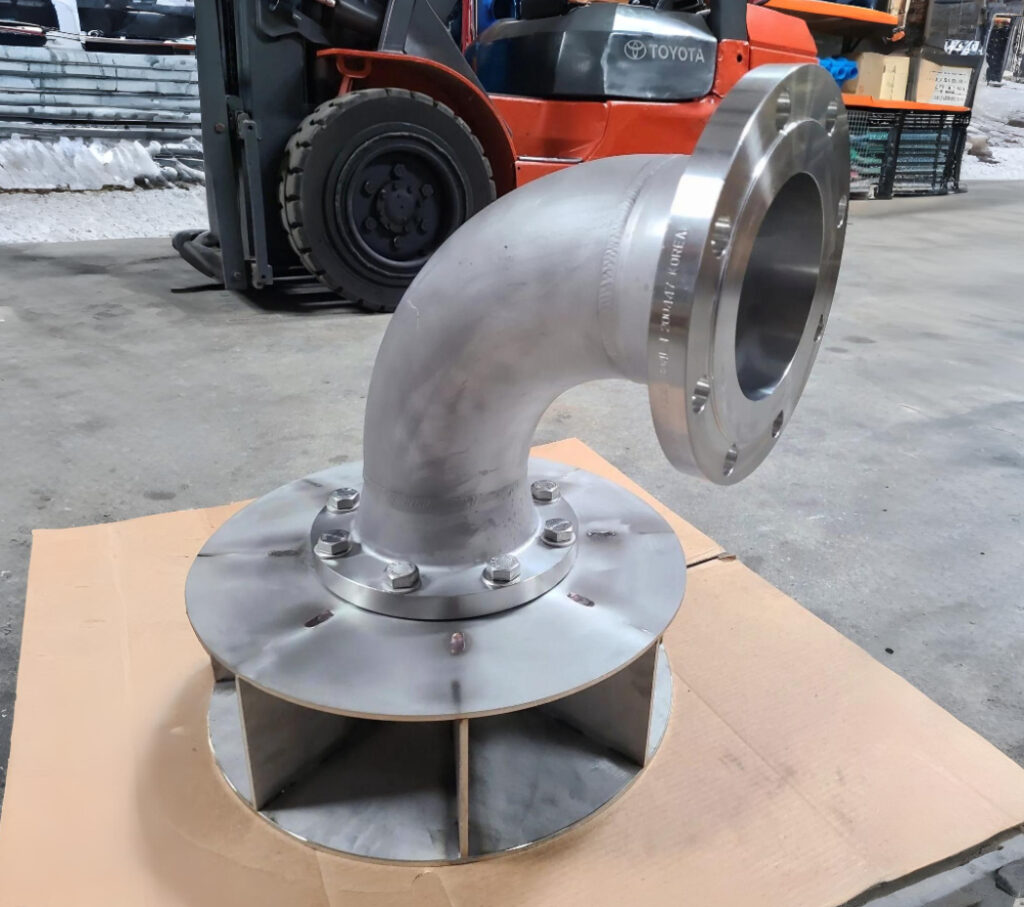
ASEFS India provides fully customized nozzle placement based on specific requirements.
Backfilling of soft soil or sand or selected fill material is performed next.
Guidelines:
Conduct a leak test and a hydrostatic test. Structural inspection for safety.
ASEFS India provides complete testing before tank commissioning.
For high-quality, strong, durable, customized, and reliable underground water tanks, ASEFS India offers.
ASEFS India ensures every underground water tank is fabricated to high safety, durability, and industry performance standards.
Ans: An underground water tank is a below-ground water storage system. It is commonly used for fire-fighting, rainwater harvesting, and industrial water storage. Underground water tanks provide long-term durability, temperature stability, and space efficiency. ASEFS India offers premium quality MS and SS underground water tanks for industrial applications.
Ans: Best materials include mild steel, stainless steel, reinforced concrete, and polyethylene. ASEFS India specializes in durable MS and SS underground water tanks and protective coating for corrosion resistance.
Ans: The installation process includes site survey, excavation, base preparation, tank placement, pipe connection, backfilling, and leak testing. ASEFS India’s underground water tank installation follows strict engineering standards.
Ans: Benefits include space saving, temperature stability, high durability, large capacity, and environmental protection. ASEFS India underground water tanks are engineered for long-term storage in industrial environments.
Ans: ASEFS India provides custom underground water tank designs, advanced fabrication technology, hot dip galvanizing, epoxy coating, quality testing, and on-time installation services for all industrial projects.


I help Engineering Importers achieve Rapid Growth and make a Positive Market Impact. I help Client achieve their Business Goals
+91 92267 69978
+91 89569 38780
info@asefsindia.com
2025 © A.S Engineers - All rights reserved