Scaffolding systems provide safety, accessibility, and efficiency in high-rise construction and large industrial projects. But, most scaffolding strength and performance depend not on frames or platforms alone, but on its bracing system. Bracing resists lateral forces, prevents collapse, and ensures alignment under heavy loads and adverse site conditions.
ASEFS India is a leading supplier of scaffolding systems for industrial projects with a focus on safety, load performance, and compliance with industrial standards. We have prepared this blog to give you a better understanding of scaffolding bracing types and help you select the right solution for your high-rise and industrial project needs. In this blog, we will cover.
Scaffolding bracing is the installation of diagonal or horizontal members inside the scaffolding structure to provide stiffness and stability.
A scaffolding system without bracing is likely to sway, deform, or collapse, especially at height or in exposed positions.
Also Read:- Gulf 4P Engineering Expo 2025
High-rise construction and industrial projects are different from standard construction in several ways. They involve greater heights, heavier equipment and machinery, ongoing site activity, and operational loads. In such environments, scaffold bracing is not a luxury or afterthought, but an absolute requirement.
ASEFS India believes in engineered bracing layouts for optimal scaffold stability.
While investing in quality fabrication might seem more expensive initiall
Here are the most common scaffolding bracing types and their characteristics.
Cross bracing consists of two diagonal braces installed in an “X” pattern between two vertical frames of the scaffolding structure.
Key Features:
Applications:
Cross bracing is a popular scaffolding bracing type because it is simple and effective for keeping scaffolding aligned.
Diagonal bracing uses single diagonal braces or members between vertical posts of the scaffolding structure. It may be used in situations where cross-bracing is not possible or desirable for access or design reasons.
Key Features:
Applications:
ASEFS India often recommends diagonal bracing for complex or irregular industrial sites.
Horizontal bracing, also known as ledger bracing, runs parallel to the working platform levels and connects the vertical standards.
Key Features:
Applications:
Horizontal bracing is commonly used along with diagonal bracing to form a stable scaffold grid.
Facade bracing is applied along the exterior surface of the scaffolding structure. It is especially important for tall scaffolds that are exposed to wind loads.
Key Features:
Applications:
Facade bracing is essential for scaffolding in open areas or coastal locations.
Plan bracing is horizontal bracing installed across the top or intermediate levels of scaffolding to stabilize the scaffold structure in plan view.
Key Features:
Applications:
ASEFS India recommends plan bracing for scaffolds with high height-to-base ratios.
Knee bracing is a short diagonal brace installed between a vertical standard and a horizontal ledger, typically near the base or intermediate levels of a scaffold.
Key Features:
Applications:
Knee bracing is often used as an additional safety measure.
y, it significantly reduces maintenance costs, breakdowns, and replacements over time. It also shortens project timelines by minimizing rework, making it a smart long-term investment for any industrial venture.
Scaffolding braces are typically made of the following materials.
Galvanization is preferred for outdoor or industrial applications for corrosion resistance. ASEFS India provides durable, standards-compliant bracing components for long-term use.
High-rise scaffolding requires special attention to the following aspects of bracing.
Bracing must be installed at regular vertical and horizontal intervals to maintain scaffold stability at height. It must also be properly anchored to the structure.
Industrial scaffolding often needs to cope with the following conditions that influence the choice and layout of bracing.
In such cases, adaptable bracing systems such as diagonal bracing or tube and clamp bracing are preferred. ASEFS India engineers are creating layouts to suit complex industrial environments while meeting safety requirements.
In order to perform its function, scaffolding bracing must be installed correctly and in compliance with the following best practices.
Incorrect or missing bracing is a common cause of scaffold failure.
Scaffolding bracing must meet or exceed the following safety standards and regulations.
ASEFS India adheres to all relevant safety and quality standards.
ASEFS India is a trusted supplier of industrial scaffolding and access systems.
We look forward to providing your company with engineered scaffolding and bracing solutions that meet your safety, performance, and project needs.
Also Read:- Why ASEFS India is a Trusted Fabrication Partner for Global Clients
Scaffolding bracing types play a critical role in maintaining safety and stability in high-rise and industrial projects. By choosing the right type of scaffolding bracing and adhering to best practices in design, installation, and safety, contractors can ensure that scaffolding systems support construction and site access while protecting workers and the public. With its strong engineering focus and industrial experience, ASEFS India provides reliable scaffolding and bracing solutions that meet safety, performance, and project requirements.
Ans: Cross bracing and diagonal bracing are the most important for stability.
Ans: Yes, bracing must be present at specified intervals depending on scaffold height and loading.
Ans: No. Scaffolding without bracing is unstable and unsafe.
Ans: A combination of cross bracing, facade bracing, and plan bracing is best for high-rise scaffolds.
Ans: Yes. ASEFS India supplies complete scaffolding systems, including bracing, frames, and accessories.
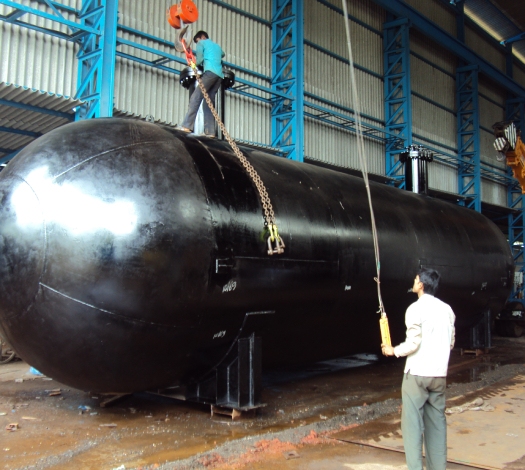
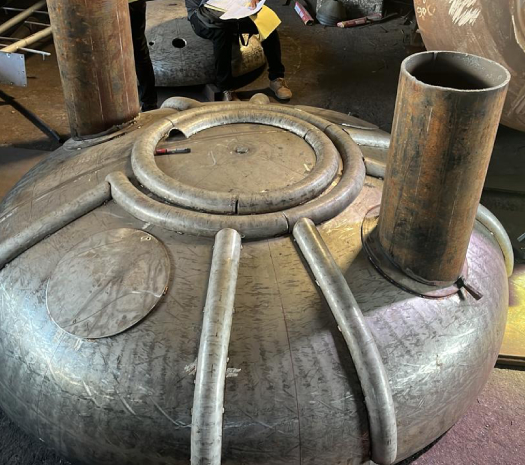
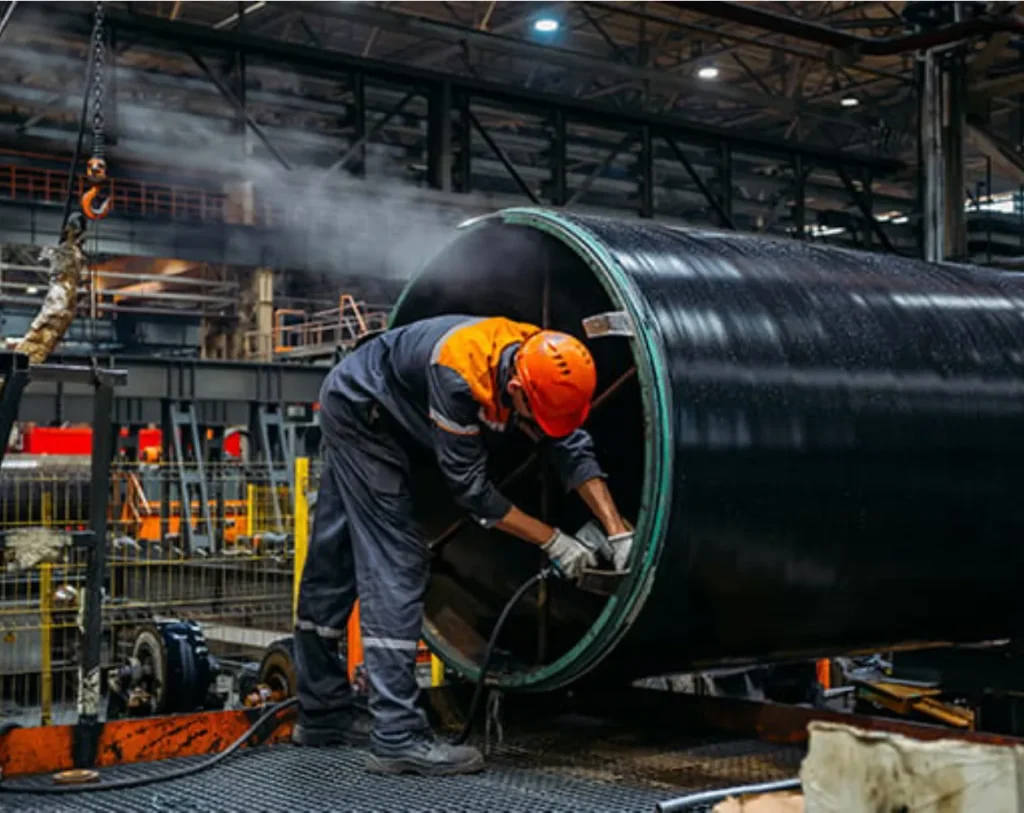
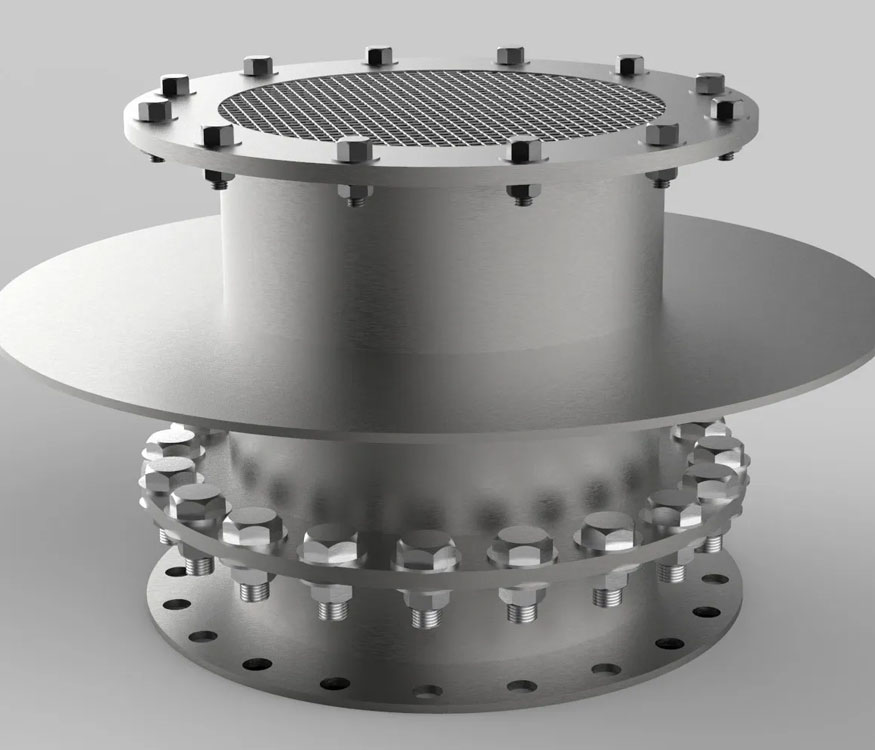
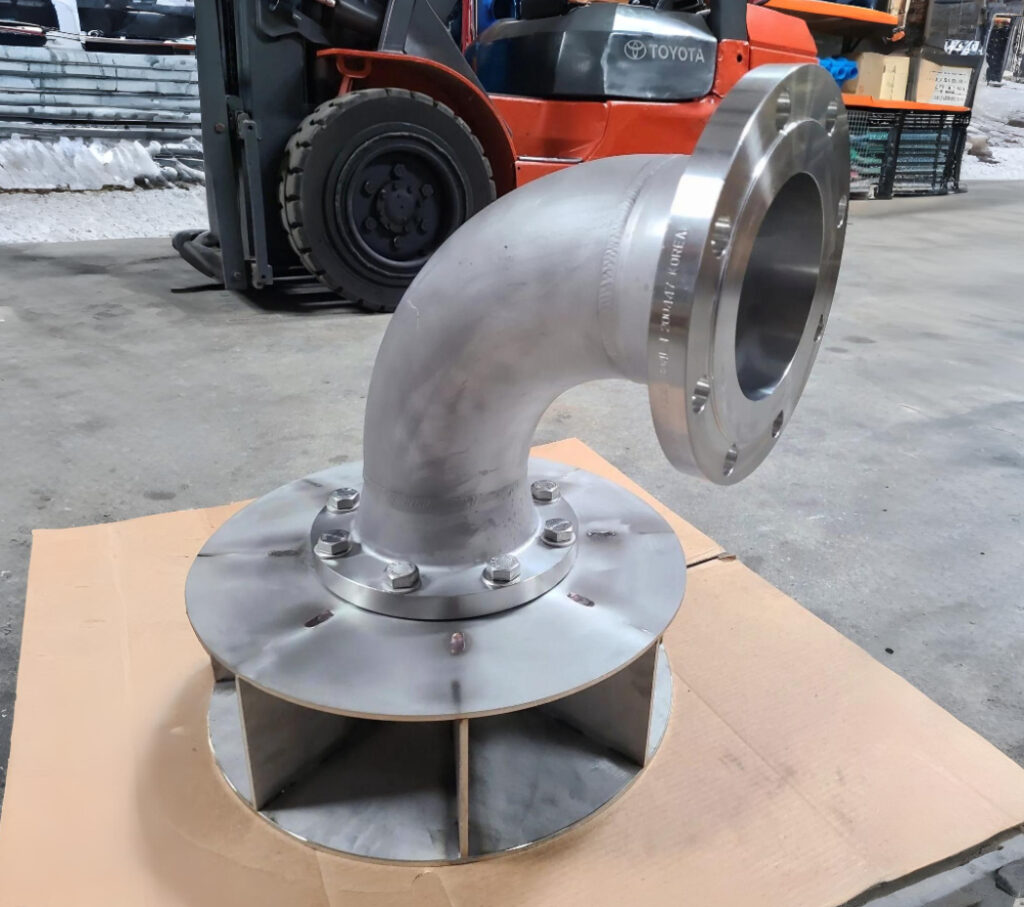

At A.S. Engineers & Fabricators, our team excels in designing, manufacturing, and erecting steel structures that set industry benchmarks. We have established a robust presence in metal fabrication, heavy equipment, and steel structures, providing top-tier solutions for industrial plants and high-rise buildings.
+91 92267 69978
+91 89569 38780
info@asefsindia.com
2025 © A.S Engineers - All rights reserved