
Saudi Arabia is home to some of the most challenging chemical industrial environments in the world. From extreme temperatures and chemical aggressiveness to stringent safety regulations and prolonged operating cycles, KSA’s chemical plants demand reliable and efficient storage and process equipment. In this context, Rubber Lined Stainless Steel Tanks have emerged as one of the most trusted solutions, finding wide acceptance across the Kingdom’s chemical sector.
Companies such as ASEFS India design, manufacture, and supply rubber-lined SS tanks that are internationally certified and consistently perform in the most demanding chemical applications throughout the Middle East.
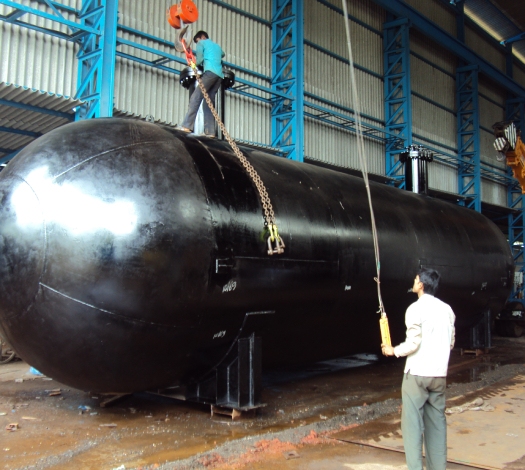
Rubber-lined stainless steel storage or process tanks are typically made from SS (stainless steel) that has been internally coated or lined with a specially selected rubber material. The SS offers strength and resilience, while the rubber lining serves as an additional protective barrier to withstand chemical attack.
In the chemical plants in KSA, these tanks are predominantly used for corrosive liquids such as acids, alkalis, solvents, slurries, etc., where storage and process tanks made from bare metal would quickly degrade.
Also Read:- Why Galvanized Iron (GI) Remains a Top Choice for Fabrication
Chemical industries deal with a wide range of substances and chemical compounds, many of which are highly corrosive to metallic surfaces. Although high-grade stainless steels are often used in the construction of process tanks, even these can fail prematurely when in prolonged contact with strong acids, abrasive slurries, or corrosive chemicals.
The combination of stainless steel and rubber lining provides many benefits for process and storage tanks used by chemical industries, some of which are described in the following sections.
Rubber linings offer excellent resistance to strong acids such as hydrochloric acid, sulphuric acid, and phosphoric acid. These acids are widely used across the chemical and petrochemical industries in Saudi Arabia. A rubber lining protects the SS shell, but also prevents the chemicals from getting contaminated.
The combination of extremely high ambient temperatures in Saudi Arabia, along with extended exposure to a harsh industrial environment, leads to rapid material degradation. Rubber-lined SS tanks are designed to perform under these conditions and offer long-term durability with minimal wear.
It is a common observation that unlined chemical storage or process tanks require frequent maintenance and even recoating or complete replacement in some cases. A rubber lining significantly reduces the frequency of such maintenance activities and helps chemical plants keep operations running without disruptions. This also reduces the life cycle cost of the equipment.
In chemical plants, even minor leakage or tank failure can lead to catastrophic safety incidents. Rubber-lined SS tanks help provide an additional layer of safety to the entire plant, helping achieve regulatory compliance as per KSA’s industrial safety and environmental standards.
Due to the above advantages, there is a positive return on investment for rubber-lined SS tanks, and they are considered a highly cost-effective choice in the long run.
The choice of rubber compound is critical to the performance of lined chemical storage or process tanks. ASEFS India works with a range of rubber grades, each of which is selected based on the chemical compatibility and specific operating conditions.
Depending on the type of chemicals, their concentration, and temperature, a suitable rubber grade is selected.
Process tanks are precision-engineered by following all required steps. The performance of a rubber-lined SS tank is highly dependent on the tank fabrication as well as the rubber lining process.
The stainless steel tank is fabricated from the best quality SS plate material in available grades with high-quality welding and dimensional accuracy to provide structural reliability.
Internal tank surfaces are grit-blasted with appropriate abrasive to provide a clean and slightly rough profile for rubber adhesion.
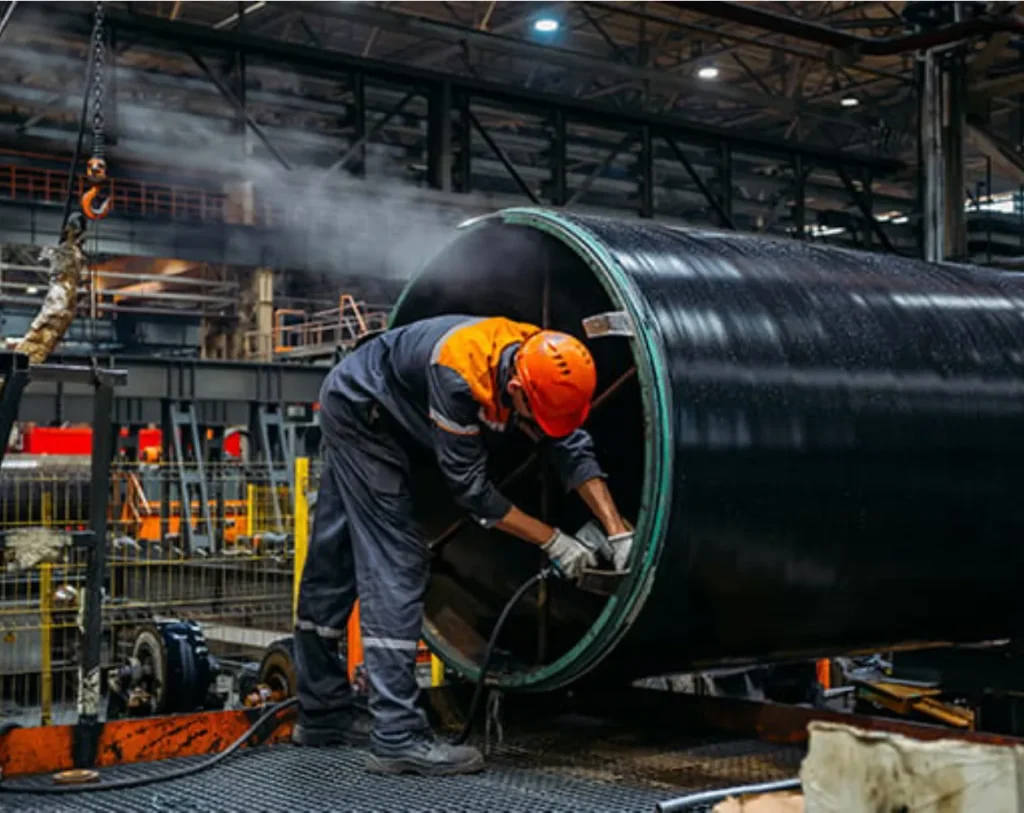
Rubber sheets or pre-formed rubber lining are applied with the help of approved bonding agents. The joints and seams are properly sealed to provide a leakproof lining.
Vulcanization or curing is done to ensure that maximum adhesion and elasticity are obtained, thereby providing chemical resistance.
Prior to dispatch, final inspections include spark test, adhesion test, and visual checks to confirm the lining’s integrity.
Rubber-lined stainless steel tanks are used across the chemical industry in.
The versatility of the tanks allows their use for both storage and process applications.
Stainless steel alone is strong, but it cannot resist many highly aggressive chemicals. Rubber is soft, but alone cannot provide structure and strength to a tank. Combining the two creates a material that offers both mechanical stability and chemical resistance.
It is especially useful in KSA, where equipment is required to withstand heavy-duty industrial applications while providing both long-term cost and reliability.
ASEFS India is a leading manufacturer and exporter of rubber-lined stainless steel tanks and process vessels for the chemical industry worldwide, including in Saudi Arabia.
Experience in heavy industrial fabrication and tank construction ensures high performance in the most demanding environments.
Before finalizing a supplier or specific tank design, there are a few factors that chemical industries in KSA should consider to ensure that they have the optimal solution for their requirements.
Only after a thorough evaluation can the most suitable option be selected.
Saudi Arabia continues to invest heavily in its chemicals, specialty manufacturing, and other industrial diversification initiatives. The demand for reliable, corrosion-resistant equipment is only expected to increase. Rubber-lined stainless steel tanks will therefore continue to play an important role in ensuring safe, efficient, and sustainable chemical processes in KSA in the future.
Also Read:- What Are ASME-Certified Pressure Vessels and Why They Matter in India
Ans: They help provide superior corrosion protection, extended equipment life, and improved safety.
Ans: Yes, depending on the rubber grade, they are designed to tolerate high temperatures.
Ans: With proper selection and maintenance, many years without significant degradation are possible.
Ans: Yes, these are designed to perform well in high-temperature and harsh industrial conditions.
Ans: Yes, ASEFS India designs and manufactures tanks as per project-specific chemical, capacity, and other regulatory requirements.

At A.S. Engineers & Fabricators, our team excels in designing, manufacturing, and erecting steel structures that set industry benchmarks. We have established a robust presence in metal fabrication, heavy equipment, and steel structures, providing top-tier solutions for industrial plants and high-rise buildings.
+91 92267 69978
+91 89569 38780
info@asefsindia.com
2025 © A.S Engineers - All rights reserved