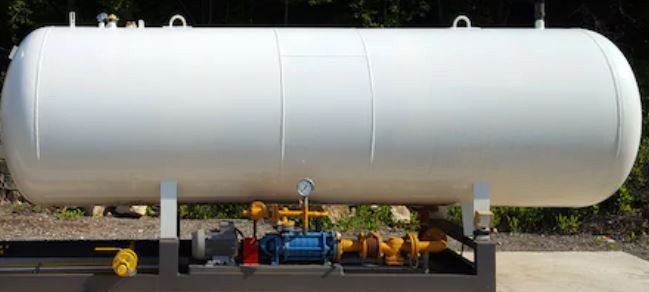
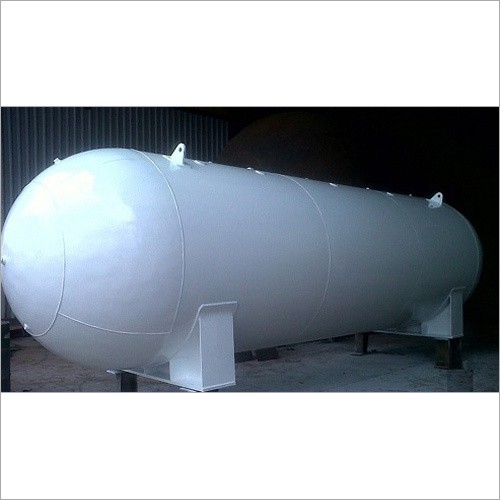
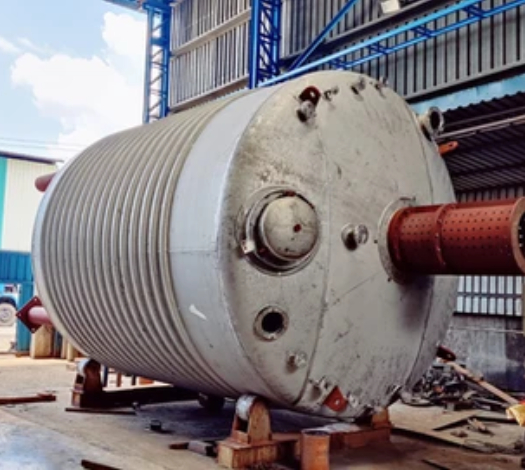
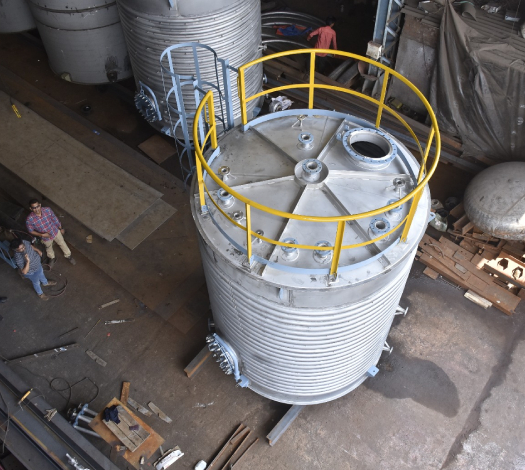
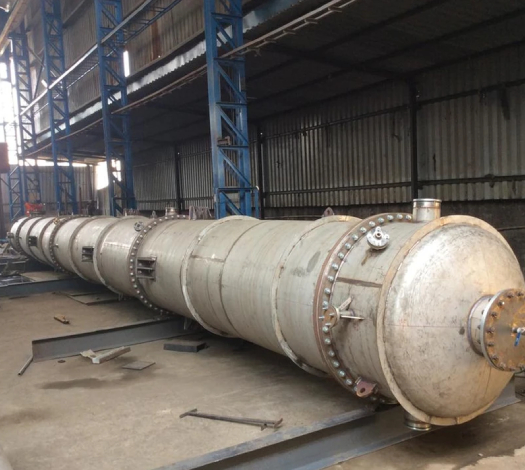
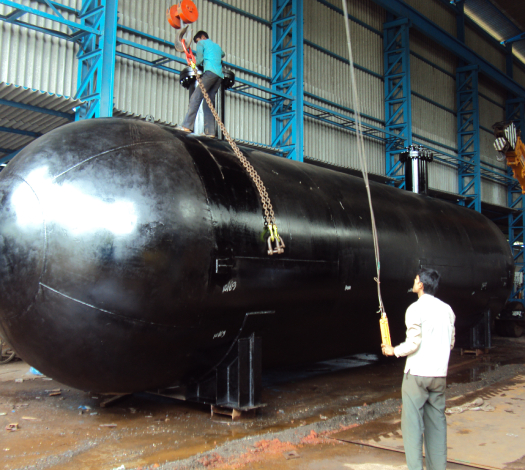
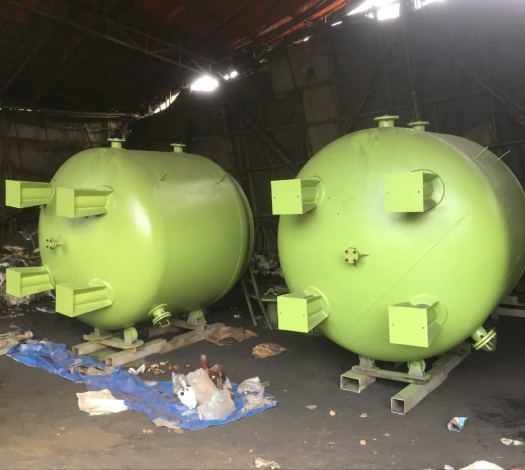
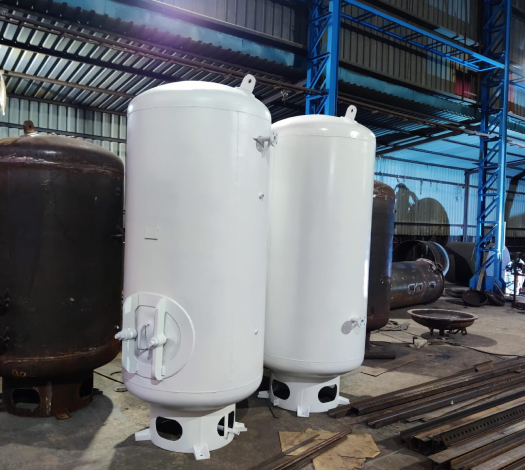
A Propane tank is a type of pressure vessel specifically fabricated for storing and transporting liquefied petroleum gas in a controlled pressurized environment. At A.S. Engineers & Fabricators, we provide heavy-duty propane tanks designed and engineered to withstand rigorous industrial applications. Each tank is constructed according to ASME and relevant IS code, with meticulous attention to detail in welding, nozzle reinforcement, and pressure-rated components, to ensure structural integrity, leak-free operation, and safe performance even under high internal pressure and fluctuating temperature conditions typically encountered in oil, gas, and chemical industries.
We provide custom propane tank solutions that can vary in wall thickness, capacity, and material specifications such as SS304, SS316, SS316L, and carbon steel, based on the application, corrosive exposure, and operating parameters. The material for the construction is selected based on the application. Each vessel is hydrostatically tested, non-destructively examined, and third-party inspected to ensure compliance with design specifications and long-term durability. Our propane tanks are suitable for both vertical and horizontal mounting, offering longevity, operational safety, and reliable performance in industrial storage and distribution systems.
Propane tanks are designed to be certified pressure vessels that can safely store liquefied petroleum gas at high internal pressure. The main strategy is to strictly follow the established design codes, such as ASME Section VIII and other relevant international standards. Code-compliant engineering design involves calculating the correct wall thickness, determining joint efficiency, reinforcing nozzles, and selecting the appropriate pressure rating. This systematic approach ensures the safe containment of pressurized gases in chemical, energy, and petroleum industries under challenging environmental and operational conditions.
Code-Compliance
ASME Section VIII compliant Design and Manufacturing, as well as other International Safety Standards. The documentation, inspection records, and certification are in place for approvals.
Safety First
Safety relief valves, pressure gauges, and safety-first construction prevent overpressure, build safe operations, and proper welding procedures, and testing further ensure system integrity.
Corrosion Resistance
Material selection and protective coatings provide effective defense against corrosion, oxidation, and environmental effects. Long-term durability is ensured for industrial installations.
Advantages
our Service
Our Products Advantages
High Pressure Resistance
High-pressure rated, designed and built for safely handling extreme internal pressure without structural compromise.
Durable Construction
Constructed of robust materials to withstand challenging industrial environments and operating conditions.
Leak-Proof Design
Precision welding and rigorous testing ensure the tank is leak-proof.
Corrosion Resistance
Offered in corrosion-resistant alloys with optional protective coatings.
Custom Capacity Options
Manufactured in multiple sizes and storage capacities as required.
Temperature Tolerance
Designed to perform reliably in extreme temperatures and wide temperature ranges.
Compliance Certified
Meet all national and international pressure vessel standards and regulations.
Space Optimization
Offered in vertical and horizontal configurations for space optimization and efficient installations.
Versatile Applications
Ideal for chemical plants, petrochemical units, oil and gas facilities, and energy projects.
Safety Valves Included
Fully equipped with a certified pressure relief system and safety accessories.
Low Maintenance Needs
Made of durable components and an inspection-friendly design to reduce downtime and maintenance.
A propane tank is a storage tank used to contain gases at high internal pressure. They are built to be certified pressure vessels that safely store liquefied petroleum gas. It is designed and built to operate safely under challenging environmental and operating conditions. Propane tanks are built in accordance with ASME Section VIII. Propane tanks are available in vertical and horizontal styles for a variety of storage, distribution, and transportation applications.
Pressure relief valves, level indicators, external weather-resistant coatings, reinforced nozzles, and other features are among the distinguishing characteristics of these pressure tanks. Radiographic, ultrasonic, and hydrostatic testing are used to verify the integrity of each unit before shipment. Propane tanks can withstand extremely high pressures without sacrificing performance or safety. Tanks are also available in a variety of pressure ratings and storage capacities to accommodate your long-term needs.
Ans: Propane tanks follow the ASME Section VIII and relevant IS standards to ensure structural integrity, proper pressure rating, and safety compliance for industrial applications.
2. What material is used for propane tanks?
Ans: Propane tanks are typically made of SS304, SS316, SS316L, and carbon steel based on the operating conditions and requirements.
3. What safety features are incorporated in a propane tank?
Ans: Propane tanks are equipped with pressure relief valves, level gauges, reinforced nozzles, and leak-proof welded joints. Each tank is hydrostatically tested and subjected to non-destructive testing for safe operation under pressure.
4. In which industries are propane tanks used?
Ans: Propane tanks are used in chemical plants, oil and gas industries, petrochemical units, energy projects, and LPG distribution systems where safe storage of pressurized gases is required.