Scaffolding is the lifeline of construction sites. It offers a safe and sturdy work platform for workers at height. However, scaffolding alone is not always enough to lift heavy materials or equipment or provide lateral support.
Enter lifting brackets for scaffolding: the convenient, versatile extension to your scaffold structure.
Lifting brackets are accessories that attach to the scaffold frame to hoist loads vertically with pulleys or chains. They reduce manual handling risk, speed up timelines, and improve worker safety.
In this article, we’ll cover everything you need to know about lifting brackets for scaffolding. We’ll explain what they are, how they differ from other scaffold accessories, the main types available, key safety guidelines, and where brackets are most commonly used. If you are a contractor, site supervisor, or procurement officer, read on to learn about lifting brackets for scaffolding and how to choose the right product for your project.
Understanding Lifting Brackets for Scaffolding
Definition
In scaffolding terms, a lifting bracket is a steel (typically galvanized or stainless) component fixed to a scaffold structure to support or raise loads.
These brackets provide a secure anchor point for pulleys, chains, or lifting devices. Loads are attached to the bracket via lifting ropes or slings, then hoisted up or lowered down to move building materials, formwork, or prefabricated parts.
Difference from Other Scaffold Accessories
Accessories like couplers, guardrails, or toe boards all help make the platform safe. However, lifting brackets for scaffolding have a very different purpose:
Materials handling and support of loads.
Tools like brackets are considered active devices that perform a function, unlike passive safety features like guardrails.
Key Components of a Typical Lifting Bracket
A lifting bracket usually comprises:
Mounting clamps or hooks to secure the bracket to the scaffold frame.
Reinforced steel arms projecting out for clearance.
Holes or eyelets to attach the lifting ropes, pulleys, or chains.
Locking pins or bolts to lock the bracket in place under load.
The strength and quality of these components determine the maximum load capacity of the bracket and its suitability for different tasks.
Also Read:- From Design to Delivery: Inside Our Fabrication Process
Types of Lifting Brackets
There are several types of lifting brackets, each designed for specific load capacities or use cases.
A. Fixed Lifting Brackets
Fixed brackets are rigid brackets with a set load capacity and projection angle.
Characteristics and Advantages:
- Simple design with few or no moving parts.
- High stability and reliability when supporting a load.
- Lower cost than adjustable brackets.
Ideal Use Cases:
- Small to medium residential or commercial projects.
- Repetitive or routine lifting tasks where bracket position is constant.
B. Adjustable Lifting Brackets
Adjustable brackets have user-adjustable projection lengths, angles, or heights, providing more flexibility.
Flexibility for Different Scaffold Sizes:
Can fit a range of tube diameters or frame types, which is handy for multi-project contractors.
When to Use Adjustable Brackets:
- Projects with frequent repositioning of lifting points.
- Sites with irregular scaffold structures or obstructions.
C. Heavy-Duty Lifting Brackets
Heavy-duty brackets are robust and can handle significantly higher loads.
For Larger or Industrial Scaffolding Systems:
Thicker steel construction, often with additional reinforcement gussets or support arms.
Weight-Bearing Capacities:
Capable of supporting several hundred kilograms or more, depending on the manufacturer. Heavy-duty brackets are popular on high-rise or industrial sites with heavier loads and more frequent lifting.
D. Specialty Lifting Brackets
Specialty brackets are designed for particular purposes or custom applications.
Custom or Project-Specific Designs:
Custom-made to fit non-standard scaffold systems, angles, or built-in lifting devices.
Examples:
- Corner brackets for hoisting around scaffold corners.
- Swivel brackets that rotate to accommodate loads coming from different directions.
- Brackets made for specific formwork panels or staircase units.
Comparison Table
Type Capacity Range Best Use Cases Key Advantage
Fixed Lifting Bracket Low–Medium Residential, small commercial projects Simple and cost-effective
Adjustable Bracket Low–Medium Mixed scaffold sizes, irregular layouts Versatility
Heavy-Duty Bracket Medium–High Industrial/high-rise construction High load-bearing capacity
Specialty Bracket Variable Unique or custom project needs Tailored performance
Also Read:- How Third-Party Inspection Ensures Product Reliability
Safety Considerations When Using Lifting Brackets
Lifting brackets can enhance capability, but incorrect use can also lead to accidents, injuries, or scaffold failure.
Importance of Load Ratings and Weight Limits
Each lifting bracket has a maximum safe load rating. Exceeding this limit risks bracket deformation or scaffold collapse. Always check manufacturer specifications and consider the weight of lifting ropes, pulleys, and dynamic forces.
Proper Installation and Inspection Protocols
Brackets should only be mounted on structurally sound scaffold sections. Secure all locking pins, bolts, and clamps as recommended. A competent person should inspect the bracket after installation to check alignment and secure attachment.
Common Mistakes to Avoid
- Overloading beyond bracket capacity.
- Incorrect alignment leading to uneven load distribution.
- Skipping pre-shift inspections.
Training Requirements for Workers
Only trained workers should install or use lifting brackets. Training should include safe load limits, proper use of hoists and pulleys, and emergency procedures.
Compliance with Standards/Regulations
Local or national regulations should be followed to ensure compliance (e.g. OSHA for USA, EN for Europe, BIS/IS for India). Some jurisdictions may require third-party certification for lifting operations.
Applications of Lifting Brackets in Construction
Lifting brackets are used for a wide range of construction applications.
Residential Construction
Painters, roofers, and maintenance crews often use small fixed brackets to hoist paint cans, tools, or light materials.
Commercial Projects
On high-rise buildings and office complexes, adjustable or heavy-duty brackets can be used to lift glazing panels, ductwork, or interior materials.
Industrial Sites
Power plants, refineries, shipyards often use heavy-duty brackets for moving large components like pipes, valves, or fabricated modules.
Infrastructure Works
Bridges, tunnels, highways projects often involve specialized formwork and heavy materials. Specialty brackets help lift and position these more easily.
Case Example
A contractor building a large overpass used heavy-duty lifting brackets with built-in pulleys to hoist formwork panels directly from the ground, saving crane time and costs. The system also improved worker safety by minimizing manual handling at height.
Maintenance & Inspection Tips
Regular maintenance will extend the life of lifting brackets and keep workers safe.
Inspection Frequency
Quick checks should be done before each shift for cracks, corrosion, loose bolts, or bent arms. A more thorough inspection should be conducted weekly or at critical project milestones.
Cleaning, Lubrication, and Storage
Remove dirt, concrete splashes, or paint after use. Lubricate all moving parts like adjustable arms and locking pins. Store brackets in a dry, orderly manner to prevent damage or loss.
Identifying Wear and Tear Early
Replace any brackets with significant rust, deformation, or missing parts. Do not attempt to “straighten” a bent bracket for reuse, as this damages the structural integrity.
Buying or Renting Lifting Brackets
Key Factors to Consider When Purchasing
- Material quality (galvanized/powder-coated steel for corrosion resistance).
- Weight capacity suitable for your project.
- Compatibility with existing scaffold systems.
- Ease of adjustment or installation.
Trusted Brands or Suppliers
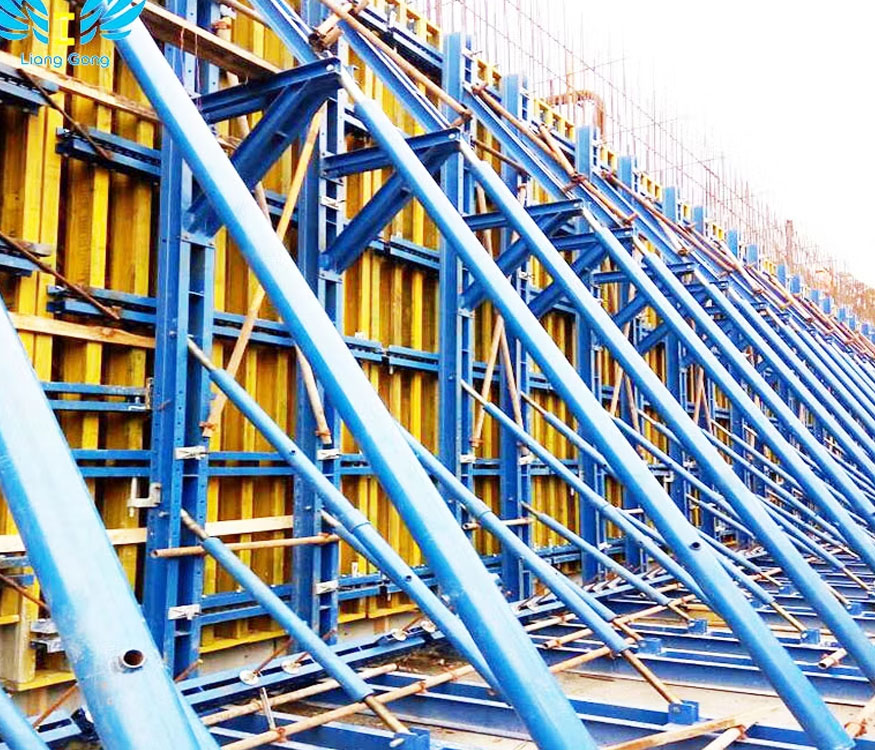
Look for suppliers with a reputation for quality and safety compliance, and that offer detailed specifications. Click here to get in touch with ASEFS India and other reliable manufacturers for scaffolding formwork steel waler lifting bracket frame & staircase system.
Renting vs. Buying – Pros and Cons
Option Pros Cons
Buying Long-term cost savings, always available, customize options High upfront investment, storage needed
Renting Low initial cost, good for short-term needs, no storage issues Limited availability, may pay more long-term, less control over condition
Contractors frequently handling heavy materials or multiple projects benefit from buying. Small firms with occasional needs may save by renting.
Conclusion
ASEF lifting brackets for scaffolding are more than just add-ons; they are essential tools for efficient and safe material handling on construction sites. By understanding the different types fixed, adjustable, heavy-duty, and specialty you can choose the right ASEF bracket to match your project needs.
Prioritize safety by following load ratings, conducting regular inspections, training workers, and complying with regulations. Proper maintenance and smart buying or renting decisions will maximize your investment and keep your job site running smoothly.
If you have a project involving scaffolding, consult with a trusted scaffolding expert or supplier to select the right lifting brackets. The right choice can improve productivity, reduce risks, and help you deliver your project on time and within budget.
Frequently Asked Questions (FAQs) About Lifting Brackets for Scaffolding
1. What are lifting brackets for scaffolding?
Lifting brackets for scaffolding are steel attachments that securely connect to scaffold frames. They provide an anchor point for hoists, pulleys, or chains to hoist loads vertically with ropes or slings on a construction site.
2. How are lifting brackets different from other scaffold accessories?
Couplers, toe boards, and guardrails all serve to make the platform safe. However, lifting brackets for scaffolding perform a different purpose: material handling. They are active devices that support and lift weight, rather than just protect workers.
3. What types of lifting brackets are available?
Fixed lifting brackets, adjustable lifting brackets, heavy-duty lifting brackets, and specialty brackets are the most common types. Each has its own load capacity and best-use scenarios.
4. How do I know the right lifting bracket capacity for my project?
Compare the manufacturer’s load rating to the weight of your heaviest expected load, including any pulleys and dynamic forces. When in doubt, always consult a scaffolding expert or engineer to calculate the safe working load.
5. Are lifting brackets for scaffolding regulated?
Yes, in most countries. Lifting brackets and their use are covered by occupational safety and construction codes (like OSHA in the U.S. or EN standards in Europe). Always ensure brackets are certified and workers are trained.
