
Industrial equipment and structures face constant threats from corrosion, wear, and environmental degradation. Every year, these factors cost industries billions in repairs, replacements, and downtime. Metalizing offers a proven solution to this challenge. This protective coating process creates a barrier that can extend equipment life by decades, reduce maintenance costs, and improve operational reliability.
Metalizing, also called thermal spray coating, applies molten metal particles to a prepared surface. The process creates a protective layer that shields the base material from corrosion, wear, and environmental damage.
The technique works by heating metal feedstock to its melting point and propelling the molten particles onto the target surface at high velocity. When these particles hit the substrate, they flatten, cool rapidly, and interlock to form a dense coating. The result is a mechanical bond between the coating and the base material.
Two primary metalizing methods dominate industrial applications:
Both methods create coatings at relatively low substrate temperatures, typically below 250°F. This prevents distortion of the base material, making metalizing suitable for large structures that cannot be processed through other methods like hot-dip galvanizing.
Also Read:-How Limpet Coil Tanks Improve Efficiency in Chemical and Pharma Industries
Surface coating through metalizing works on three protection principles that significantly extend equipment longevity.
First, the coating creates a physical barrier between the base metal and the environment. This barrier prevents moisture, chemicals, and corrosive agents from reaching the substrate. The density of properly applied metalizing prevents penetration even in aggressive environments.
Second, certain metals used in metalizing provide galvanic or sacrificial protection. Zinc and aluminum coatings are anodic to steel, meaning they corrode preferentially. When corrosion occurs, the coating sacrifices itself rather than allowing the base steel to rust. This protection continues until the metalizing layer is fully consumed.
Third, the coating surface develops a protective patina when exposed to atmospheric conditions. For zinc coatings, this patina forms through a series of reactions with oxygen, hydrogen, and moisture, creating zinc carbonate that further slows the corrosion rate.
The thickness of metalizing directly impacts its service life. A 12-mil zinc coating in a moderate environment can provide 25 years before first maintenance. In harsh marine conditions, the same coating might require attention after 15 years. Aluminum coatings often last longer in marine environments due to their superior resistance to chloride attack.
Steel structures in marine environments rank among the best candidates for metalizing. Bridges, offshore platforms, dock facilities, and ship components all face constant exposure to salt-laden air and water. Companies like ASEFS India work with industries where such protection proves critical for long-term structural integrity.
Power generation facilities use metalizing extensively. Boiler tubes, turbine components, and cooling tower structures all benefit from thermal spray protection. The coatings withstand high temperatures and cyclic thermal stress while preventing oxidation and corrosion.
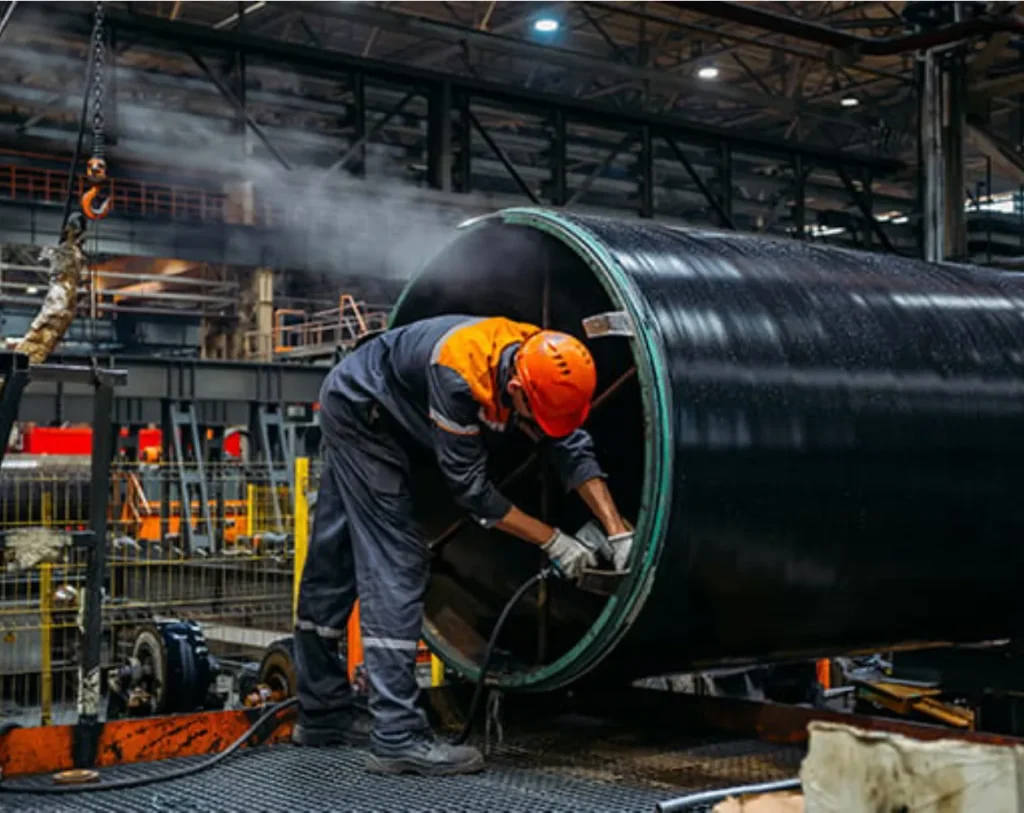
Manufacturing equipment exposed to abrasive materials or corrosive chemicals represents another major application area. Conveyor systems, processing tanks, pumps, and valves all gain extended life through appropriate coating selection. Engineers at ASEFS India understand these requirements when designing equipment for chemical processing and water treatment facilities.
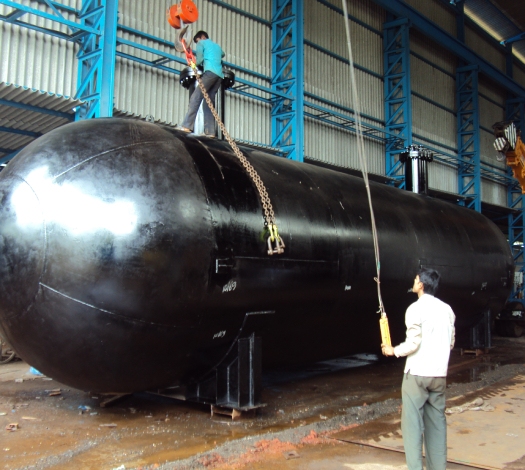
The oil and gas industry applies metalizing to pipelines, storage tanks, drilling equipment, and refinery structures. The coatings protect against both internal and external corrosion while maintaining operational efficiency. Field-applied metalizing allows for on-site repair and protection without dismantling large structures.
Transportation infrastructure benefits significantly from thermal spray coatings. Highway bridges, overpasses, and support structures all face corrosion from road salt, weather, and pollution. Metalizing provides protection that can last the designed life of the structure with minimal maintenance.
How does metalizing stack up against other protection methods?
Hot-dip galvanizing creates a metallurgical bond between zinc and steel, offering excellent protection. But the process requires heating the entire component in molten zinc, limiting it to pieces that fit in the galvanizing bath. Metalizing can be applied in the field to structures of any size, from small components to entire bridge spans.
Paint systems offer versatility in color and appearance but typically require more frequent maintenance. A three-coat paint system in a coastal environment might need attention every 5 to 10 years. Metalizing in the same environment can go 15 to 25 years before first maintenance. Paint also contains volatile organic compounds, while metalizing produces no harmful emissions.
Stainless steel or corrosion-resistant alloys eliminate coating needs but come with much higher material costs. For large structures, the economics favor carbon steel with metalizing protection. The combination provides corrosion resistance at a fraction of the cost.
Concrete coatings work well for specific applications but lack the mechanical strength and abrasion resistance of metalizing. They also typically require more frequent reapplication.
Initial metalizing costs typically exceed paint but prove economical over the equipment lifespan. Consider a steel structure requiring protection for 50 years. A paint system might need complete renewal three to four times during this period. Metalizing might only need one or two maintenance cycles.
Each maintenance cycle involves surface preparation, material costs, labor, and operational downtime. For industrial facilities, the downtime cost often exceeds the coating cost itself. ASEFS India factors these lifecycle considerations into their fabrication projects, helping clients understand total ownership costs.
The predictable service life of metalizing simplifies maintenance planning. Unlike some coatings that can fail unexpectedly, metalizing degrades gradually and predictably based on coating thickness and environmental exposure. This allows for planned maintenance rather than emergency repairs.
For equipment operating in remote or difficult-to-access locations, the extended protection interval becomes even more economical. Offshore structures, bridge components over water, and equipment in hazardous environments all benefit from metalizing’s durability.
The choice of coating material significantly impacts performance and longevity. Pure zinc provides excellent protection in most atmospheric environments. It works particularly well in rural and light industrial settings where pH levels remain near neutral. Zinc offers predictable corrosion rates and strong galvanic protection.
Pure aluminum excels in marine environments where chloride exposure is high. Aluminum forms a stable oxide layer that resists further corrosion better than zinc in saltwater conditions. Marine structures often specify aluminum thermal spray for this reason.
Zinc-aluminum alloys, particularly the 85/15 blend, combine the benefits of both metals. This alloy provides strong corrosion protection while resisting higher temperatures than pure zinc. Many infrastructure projects specify this alloy as a default choice.
Stainless steel coatings offer wear and corrosion resistance for equipment subject to mechanical stress. These coatings work well for industrial equipment restoration, building up worn surfaces to original dimensions while providing a hardened, corrosion-resistant surface.
For specialized applications, composite coatings blend different materials to achieve specific properties. Tungsten carbide provides extreme wear resistance. Chromium carbide resists high-temperature oxidation. The right material selection depends on the specific operational challenges the equipment faces.
Proper surface preparation determines coating performance more than any other single factor. The substrate must be clean, dry, and profiled to accept the coating. Poor preparation leads to premature coating failure regardless of application quality.
Abrasive blasting ranks as the standard surface preparation method. This process removes all mill scale, rust, and contaminants while creating a rough surface profile. The profile depth typically ranges from 2.5 to 4.5 mils for corrosion control applications.
The blasted surface should achieve a white or near-white appearance before coating. Any remaining contaminants can interfere with coating adhesion. The surface must be coated promptly after blasting, as fresh steel oxidizes quickly when exposed to moisture.
Environmental conditions during application matter. Surface temperature must exceed the dew point by at least 5°F to prevent moisture condensation. Relative humidity should stay below 85%. These requirements ensure the coating bonds properly to the substrate.
Metalizing creates a somewhat porous coating due to the rapid cooling of sprayed particles. While this porosity doesn’t compromise corrosion protection in most environments, sealing can extend coating life and improve aesthetics.
Sealers penetrate the coating pores, displacing air and creating a more continuous barrier. They prevent oxidation within the coating and provide a smoother surface. Sealer application typically increases coating life by 50% or more. The sealer should be applied until the metalizing stops absorbing it.
Topcoats can be applied over sealed metalizing for color, additional protection, or specific environmental requirements. The rough surface of metalizing provides excellent adhesion for subsequent paint layers. This duplex system combines the galvanic protection of metalizing with the barrier properties of paint.
For applications requiring only corrosion protection without aesthetic concerns, bare metalizing often suffices. The coating surface may appear rough and develop a gray patina, but this appearance doesn’t affect protective performance.
Coating thickness verification ensures the specified protection level has been achieved. Electronic thickness gauges provide quick, non-destructive measurements. Specifications typically require multiple readings across the coated surface to verify uniform application.
Bond strength testing confirms proper adhesion between the coating and substrate. The coating should achieve bond strengths exceeding 1,000 psi for corrosion control applications and 5,000 psi or more for engineering coatings. Pull-off testing provides quantitative adhesion data.
Visual inspection identifies defects like excessive porosity, cracking, or contamination. The coating should appear uniform without bare spots or significant variations in texture. Any defects should be corrected before the coated equipment enters service.
Regular inspection during service life allows for planned maintenance before protective failure occurs. Visual signs of coating consumption include thinning, color change, and localized rust. When 5 to 10% of the surface shows active rust, maintenance should begin.
Field performance studies provide concrete evidence of metalizing effectiveness. Bridge structures coated in the 1970s and 1980s continue to perform well today, with many showing minimal coating consumption after 40 years. These long-term results validate the technology’s durability claims.
Marine structures demonstrate particularly impressive performance. Offshore platforms protected with aluminum thermal spray have shown service lives exceeding 30 years in continuous saltwater exposure. Some piers and dock facilities have achieved similar results.
Power plant components subjected to elevated temperatures and cyclic thermal stress have benefited from specialized metalizing. Boiler tubes coated with appropriate materials show significantly reduced maintenance requirements and extended operating cycles.
Selecting metalizing for industrial protection requires evaluating several factors. The expected service environment determines material selection and coating thickness. Marine environments demand different specifications than inland industrial settings.
The structure’s design life should match or exceed the coating’s projected service life. For permanent installations requiring decades of protection, metalizing often provides the most economical solution. Short-term or temporary structures might justify simpler protection methods.
Budget considerations must account for total lifecycle costs rather than just initial application. The cheapest upfront option frequently proves most expensive over time when maintenance frequency and operational disruptions are included.
Access for future maintenance affects coating selection. Equipment that becomes difficult or expensive to access after installation benefits most from maximum protection. Easily maintained equipment might use less robust protection if frequent maintenance poses no operational problems.
Also Read:-Top Dish End Manufacturers in India: Quality, Standards & Pricing Guide
Q: How long does metalizing last on industrial equipment?
Service life depends on coating thickness and environmental exposure. In moderate atmospheric conditions, a 10 to 12 mil zinc coating typically lasts 20 to 30 years before first maintenance. Marine environments reduce this to 15 to 20 years, while mild rural settings can exceed 40 years. Proper coating thickness selection during initial application determines protection duration.
Q: Can metalizing be applied to existing structures or only new fabrication?
Metalizing works excellent for both new fabrication and existing structures. Portable equipment allows field application to bridges, tanks, buildings, and equipment already in place. The key requirement is proper surface preparation through abrasive blasting. Many rehabilitation projects choose metalizing specifically because it can be applied on-site without dismantling structures.
Q: How does metalizing compare in cost to traditional paint systems?
Initial metalizing costs run 1.5 to 3 times higher than basic paint systems. But lifecycle economics favor metalizing because of extended service life and reduced maintenance frequency. Over a 50-year period, metalizing typically costs less than paint when accounting for reapplication, surface preparation, and operational downtime. The economic advantage increases for difficult-to-access structures.
Q: What types of materials can receive metalizing protection?
Steel ranks as the most common substrate, but metalizing also protects concrete, wood, some plastics, and other metals. The substrate must withstand abrasive blasting and must be chemically compatible with the coating material. Dissimilar metals require careful selection to avoid galvanic corrosion. Consultation with specialists like ASEFS India helps ensure proper material matching.
Q: Does metalizing require special maintenance or care after application?
Metalizing requires minimal maintenance beyond periodic visual inspection. Sealed coatings need no additional treatment. If topcoated, standard paint maintenance applies. Watch for areas showing coating thinning or surface rust development. When 5 to 10% of the surface shows active rust, plan for maintenance coating. No special cleaning or treatments are needed during normal service life.

I help Engineering Importers achieve Rapid Growth and make a Positive Market Impact. I help Client achieve their Business Goals
+91 92267 69978
+91 89569 38780
info@asefsindia.com
2025 © A.S Engineers - All rights reserved