Steel is widely used in construction and industry, but it is prone to corrosion. Exposure to moisture, oxygen, and chemicals causes rust, which weakens its structural integrity.
Galvanized zinc is a trusted, durable method for corrosion protection.
At ASEFS India, galvanized zinc coatings are used on fabricated steel components, structures, pipes, and industrial equipment to enhance durability, reduce maintenance costs, and improve service life. This blog post explains what galvanized zinc is, the galvanizing process, the key benefits of zinc coatings, and the industrial uses of galvanized zinc.
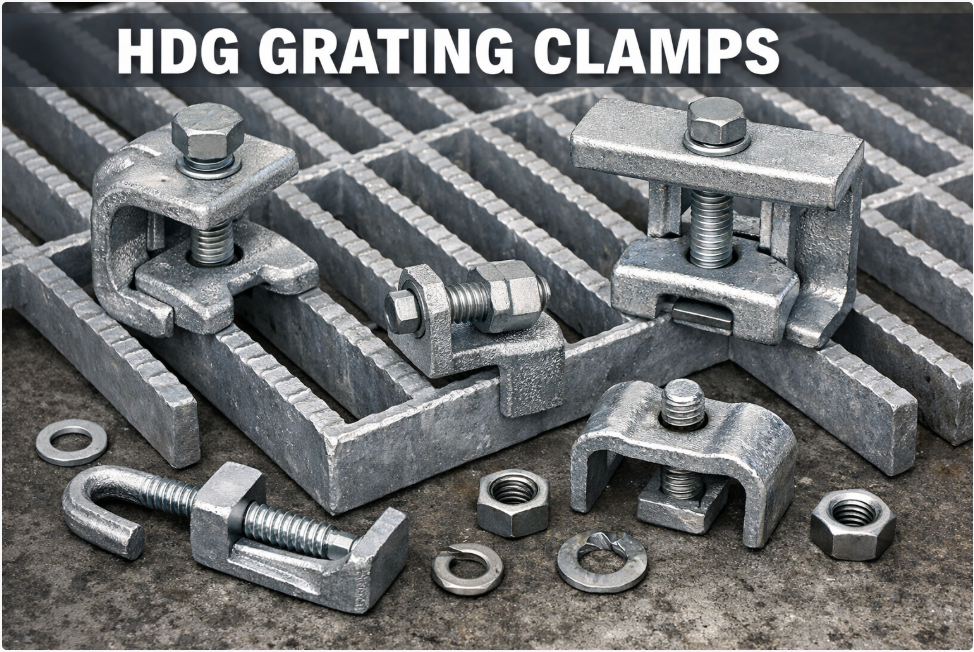
Galvanized zinc is a term used to describe a protective zinc coating that is applied to the surface of steel or iron to protect against corrosion. Zinc is used as a sacrificial material, so even when the coating is scratched or damaged, the zinc continues to corrode first, protecting the steel beneath.
The most common process to apply galvanized zinc is hot dip galvanizing, where the steel is dipped in a molten zinc solution. Other processes, like electro-galvanizing, can also be used for zinc coatings.
ASEFS India offers galvanized zinc coatings for steel and iron that are up to industrial standards and can be used both indoors and outdoors.
Also Read:- How Limpet Coil Tanks Improve Efficiency in Chemical and Pharma Industries
There are multiple reasons that make zinc the material of choice for galvanization.
Galvanized zinc has been used as the preferred industrial coating for steel all over the world due to these properties.
The quality of galvanized zinc coatings depends on several factors. Good surface preparation and controlled application processes need to be followed to obtain the maximum benefits from zinc galvanization. The following standard processes are used to galvanize steel.
Steel parts are thoroughly cleaned before galvanizing to remove oil, grease, dirt, and any organic materials. This is an important step to ensure that the zinc coating adheres properly to the steel surface.
The steel is dipped in an acid solution to remove mill scale, rust, and oxidation. This process leaves a clean and reactive surface for zinc to bond with.
The pickled steel is then dipped in a flux solution. This removes any remaining oxidation and also protects the steel from getting oxidized before it can be galvanized. Fluxing also improves zinc flow and coating uniformity.
The fluxed steel is dipped in a bath of molten zinc at around 450°C. The zinc reacts with iron to create multiple layers of zinc-iron alloys, which bond metallurgically with the steel surface.
After the zinc has been applied, the steel is cooled and inspected for coating thickness, surface uniformity, adhesion quality, and other parameters to ensure compliance with specifications.
ASEFS India makes sure that galvanized zinc coatings are done to all project and industrial standards.
Galvanized zinc coatings offer long-term protection against rust and corrosion. This is especially important in coastal areas, industrial zones, and other harsh environments.
Galvanized zinc continues to protect the steel even if the coating is scratched or damaged, thanks to the sacrificial properties of zinc. This makes galvanized zinc more reliable than coatings, which only provide protection on the surface.
Galvanized zinc coatings can last for 20–50 years or more in many environments without needing to be replaced or repainted. This makes them a very low-maintenance option.
Galvanizing is slightly more expensive than painting initially, but the long-term costs are much lower since repairs, repainting, and downtime are all reduced.
Hot dip galvanizing coats all surfaces, including edges, corners, and internal sections, offering complete coverage that is hard to achieve with other methods.
Galvanized zinc is used in practically all industrial applications where the durability of steel is a requirement.
Galvanized zinc is widely used for infrastructure and structural steel, including.
ASEFS India supplies galvanized steel components for infrastructure and construction projects with long-term performance requirements.
In corrosive industrial atmospheres, galvanized zinc is used for.
Galvanized zinc is commonly used for.
It is ideal for both residential and commercial construction projects.
Zinc galvanization is used in the automotive and transportation sectors.
Fencing, storage structures, agricultural equipment, and outdoor equipment all rely on galvanized zinc for corrosion protection in open environments.
Compared to painted steel, galvanized zinc has.
For these reasons, galvanization is a preferred solution for most heavy-duty industrial applications.
Galvanized zinc is one of the most reliable and cost-effective methods of protecting steel against corrosion. It is used in almost all industrial, infrastructure, and construction projects due to its ability to provide long-lasting, maintenance-free protection.
ASEFS India has strong expertise and experience in fabrication and surface protection solutions and delivers galvanized zinc solutions that meet modern industrial requirements and long-term performance expectations.
Galvanized zinc is one of the most reliable and cost-effective methods of protecting steel against corrosion. It is used in almost all industrial, infrastructure, and construction projects due to its ability to provide long-lasting, maintenance-free protection.
ASEFS India has strong expertise and experience in fabrication and surface protection solutions and delivers galvanized zinc solutions that meet modern industrial requirements and long-term performance expectations.
Ans: Galvanized zinc is used to protect steel from corrosion in industrial, construction, infrastructure, and outdoor applications.
Ans: Galvanized zinc coatings can last for 20–50 years or more, depending on the environment.
Ans: Yes. Galvanized zinc provides longer protection, sacrificial corrosion resistance, and lower maintenance than paint-only coatings.
Ans: Yes, galvanized steel can be welded, but proper safety precautions and post-weld treatment are needed to maintain corrosion protection.
Ans: Yes. ASEFS India provides galvanized zinc solutions for fabricated steel components, industrial equipment, and structures.

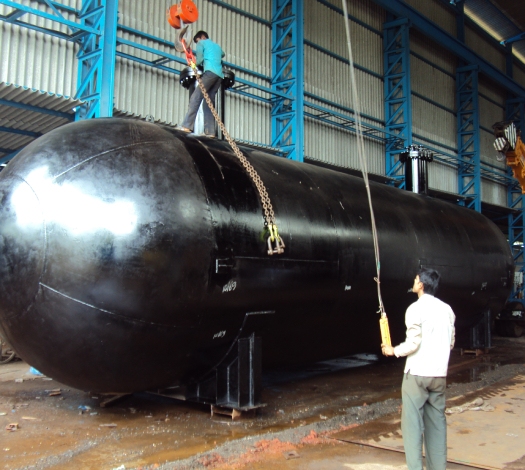

At A.S. Engineers & Fabricators, our team excels in designing, manufacturing, and erecting steel structures that set industry benchmarks. We have established a robust presence in metal fabrication, heavy equipment, and steel structures, providing top-tier solutions for industrial plants and high-rise buildings.
+91 92267 69978
+91 89569 38780
info@asefsindia.com
2025 © A.S Engineers - All rights reserved