Steel is a key structural and material choice for industrial, infrastructure, and construction projects. The performance of the steel itself can make a world of difference to the final result, in terms of durability, costs, maintenance, and life cycle. Galvanized steel and stainless steel are the two most commonly used materials for corrosion-resistant steel components. However, they differ in composition, performance, applications, and cost.
ASEFS India fabricates and supplies both galvanized and stainless steel for all types of fabrication, structural, and industrial projects. Asefsindia.com engineers guide contractors and project owners in material selection based on the environment, budget, and application-specific requirements.
In this blog, we give an in-depth comparison of galvanized steel vs stainless steel in terms of their properties, uses, advantages, limitations, and costs.
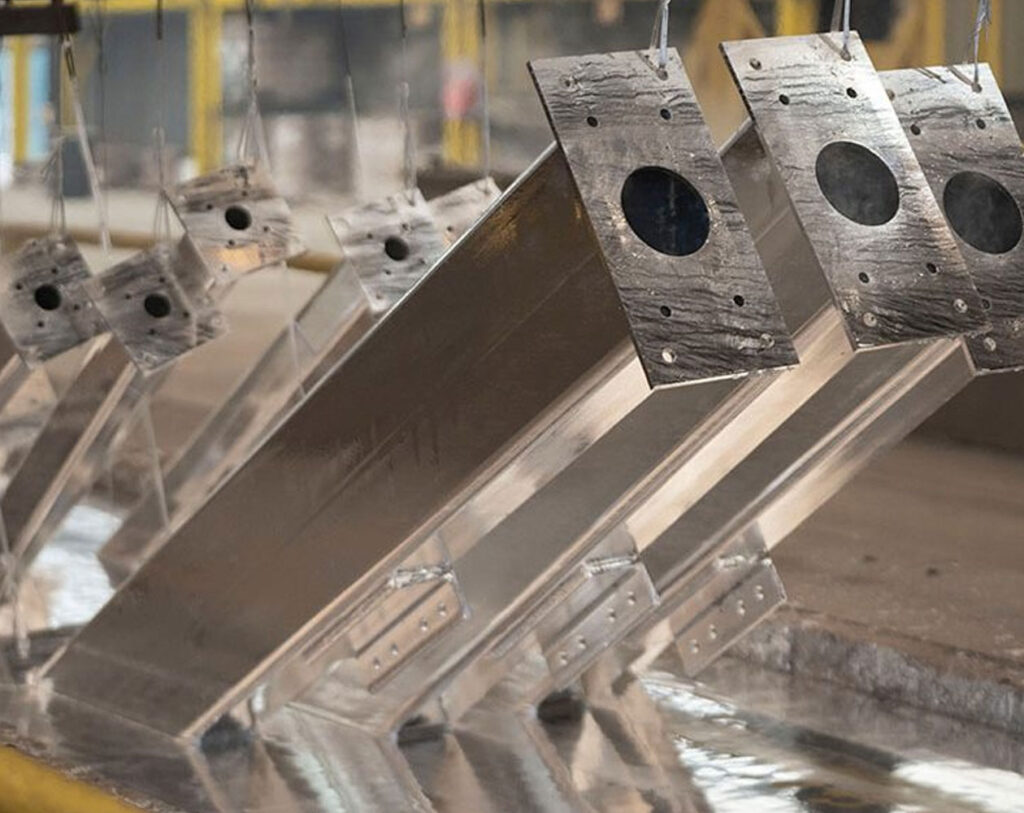
Galvanized steel is carbon steel that is coated with zinc for corrosion protection. The most common method is hot dip galvanizing, where the steel is submerged in a bath of molten zinc, and the zinc layer solidifies on cooling. Zinc provides a barrier protection layer as well as sacrificial anodic protection, as it corrodes before steel.
Galvanized steel is a popular and practical choice in outdoor, marine, and industrial environments, due to its durability, cost-effectiveness, and low maintenance. Asefs India supplies and fabricates galvanized steel components in various sizes for all industries.
Also Read:- MSRL Tanks and Piping Spools: Corrosion-Resistant Solutions for Chemical Plants
Stainless steel is an alloy steel that contains chromium (at least 10.5%) and other elements like nickel, molybdenum, and manganese. Chromium forms a passive oxide layer on the steel surface that protects the underlying steel from corrosion without the need for an external coating.
Depending on the grade, stainless steel may have very high corrosion resistance, strength, toughness, and heat resistance. Stainless steel is also valued for its smooth finish, hygiene, and chemical resistance.
Galvanized steel and stainless steel achieve corrosion resistance in different ways.
This difference translates to variations in performance, maintenance, cost, and application fit.
Galvanized steel performs very well in outdoor and moderately corrosive environments. Zinc provides sacrificial corrosion protection even if the coating is scratched.
Stainless steel provides excellent corrosion resistance, superior to galvanized steel, especially in severe environments with chemicals, acids, and chlorides. Some stainless grades can be used in extreme environments, where coatings like galvanizing may fail.
Both materials have good mechanical strength.
However:
ASEFS India selects the most appropriate materials based on the structural and load-bearing needs of the project.
Galvanized steel needs no maintenance and typically does not require painting or coating again for decades.
Stainless steel requires very low maintenance but may need regular surface cleaning to retain appearance and corrosion resistance in aggressive environments.
Galvanized steel has a matte, silvery finish with a distinct spangled texture.
Stainless steel has a smooth, shiny, and premium appearance that is suitable for architectural and visible applications.
Galvanized steel continues to protect the base metal even if scratched, due to the sacrificial action of zinc.
Stainless steel has no sacrificial protection, but minor surface damage usually heals on its own due to the passive oxide layer.
Cost is one of the most important factors that affect material selection for projects.
In most infrastructure and industrial projects, galvanized steel is the preferred material, offering the best cost and performance balance. ASEFS India helps clients to consider life cycle costs in addition to initial expenses.
Galvanized steel is used in.
Its cost-effectiveness and durability make galvanized steel ideal for large-volume use.
Stainless steel is preferred in applications that demand superior corrosion resistance or hygiene, such as.
ASEFS India supplies stainless steel solutions in a wide range of sizes where the performance requirements justify the higher costs.
ASEFS India has experience in fabricating components with both types of materials, using appropriate methods.
Galvanized steel is an environmentally friendly option, as zinc is recyclable and the coating lasts for decades, reducing the need for new materials.
Stainless steel is 100% recyclable and considered very sustainable due to its long service life and low maintenance.
When used appropriately, both materials can support sustainable construction objectives.
The choice depends on.
For most industrial, outdoor, and general corrosion resistance applications, galvanized steel is the more practical choice. For very corrosive or critical applications, stainless steel is a better material.
ASEFS India provides technical guidance to clients to help them select the right material for their applications.
ASEFS India is the trusted choice for industrial fabrication and steel solutions.
The company supplies products to infrastructure, power, oil & gas, chemical, and manufacturing industries.
Also Read:- Hemispherical vs Ellipsoidal vs Torispherical Dish Ends: Which One Fits Your Application?
There is no simple answer to the galvanized steel vs stainless steel question. Each material has its own strengths, limitations, and best use cases. Galvanized steel is a cost-effective, durable, corrosion-resistant material choice for most industrial and infrastructure applications, while stainless steel provides superior corrosion resistance and aesthetic value for more demanding environments.
ASEFS India has the material knowledge and industrial fabrication capabilities to help clients choose the most appropriate steel solution for long-term performance and value.
Ans: Neither is better in an absolute sense. The choice depends on the environment, application, and budget.
Ans:Yes, galvanized steel is much more cost-effective than stainless steel for most applications.
Ans:Yes, in moderately corrosive environments. For more aggressive chemicals, stainless steel is preferred.
Ans:Minimal maintenance is required for galvanized steel, and the coating usually lasts decades without repainting.
Ans:Yes, ASEFS India supplies galvanized steel and stainless steel for industrial fabrication and projects.
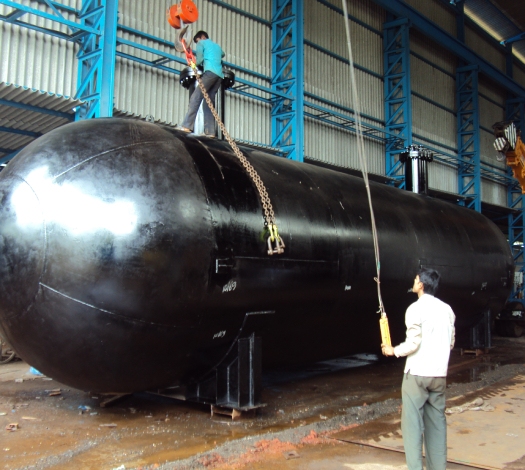
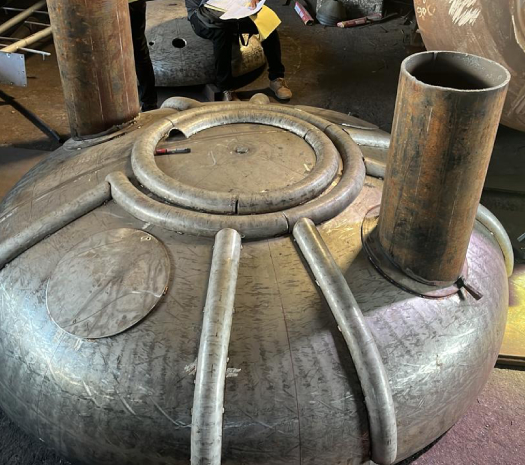
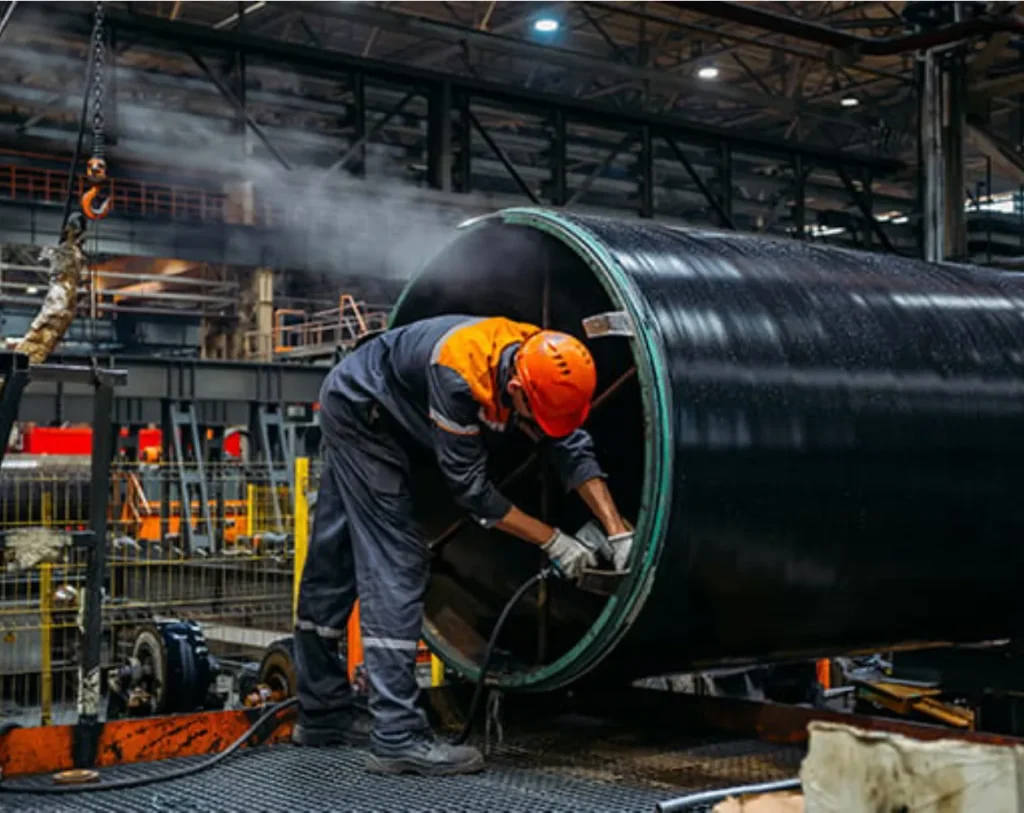
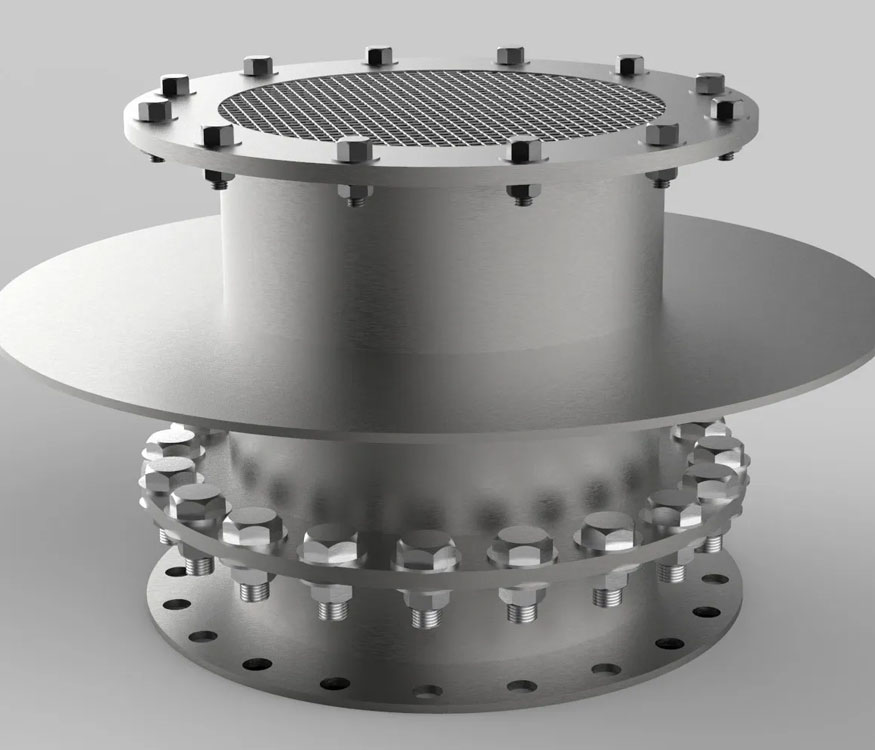
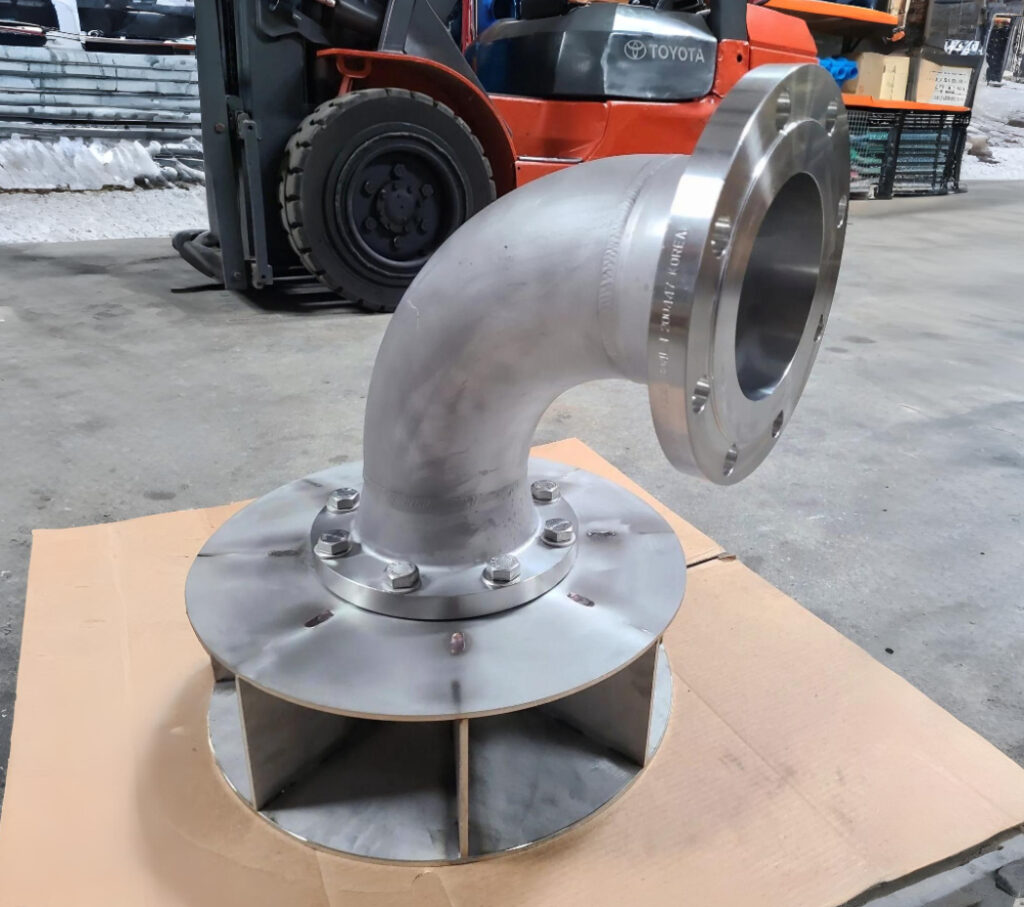

At A.S. Engineers & Fabricators, our team excels in designing, manufacturing, and erecting steel structures that set industry benchmarks. We have established a robust presence in metal fabrication, heavy equipment, and steel structures, providing top-tier solutions for industrial plants and high-rise buildings.
+91 92267 69978
+91 89569 38780
info@asefsindia.com
2025 © A.S Engineers - All rights reserved