
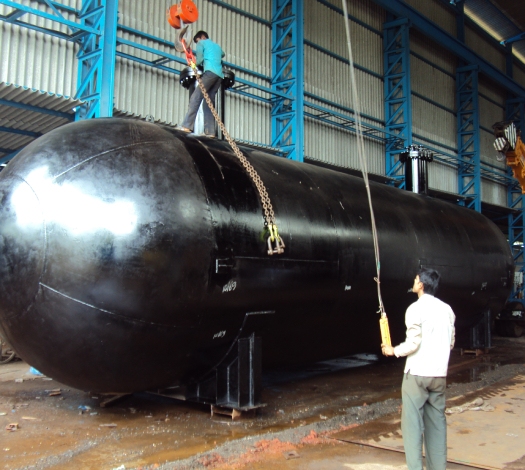
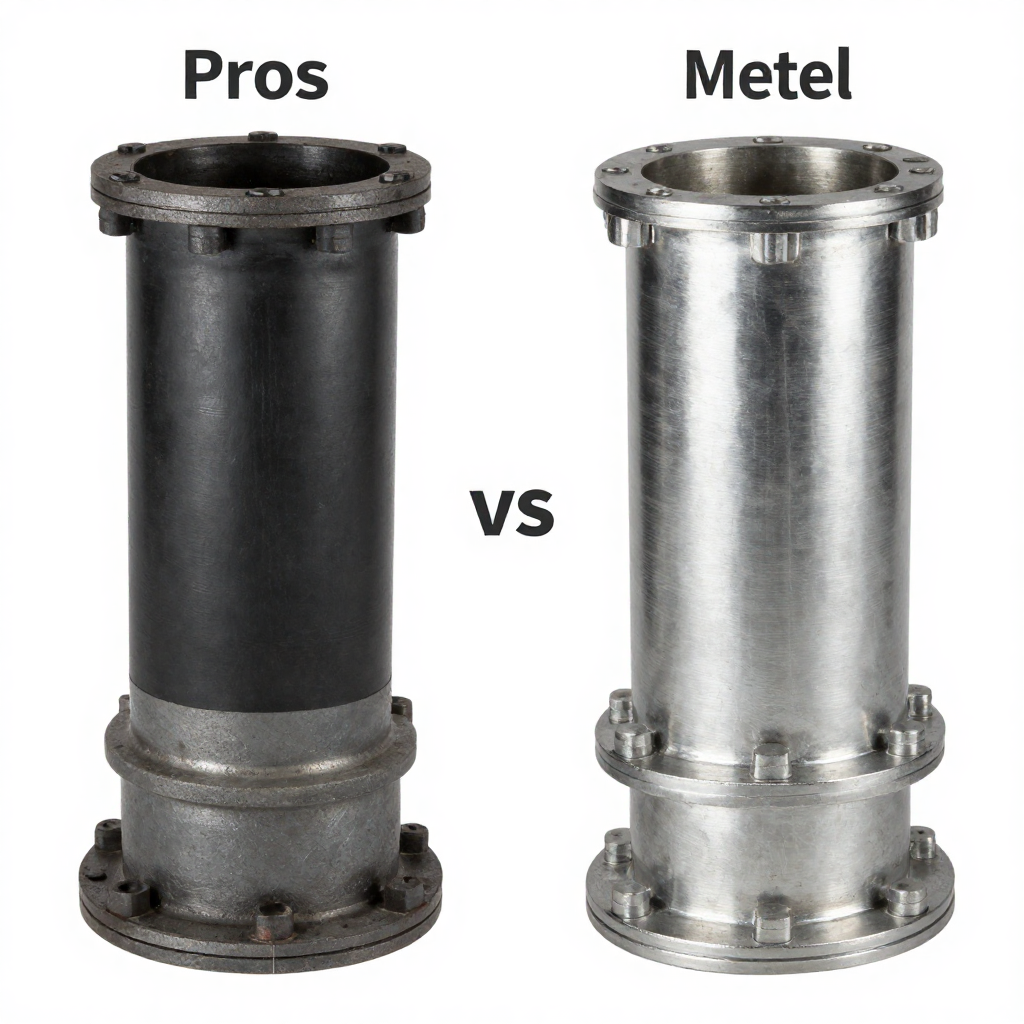
When it comes to industrial storage solutions, selecting the right material is crucial. Two popular choices that often come into the picture are aluminum storage tanks and stainless steel storage tanks. Both have their own set of advantages, limitations, and specific use cases. The decision on which one to choose depends on the application, operating conditions, and long-term performance requirements.
At ASEFS India, we understand that the right material can mean the difference between safe, durable, compliant, and cost-effective storage solutions. This comprehensive comparison of aluminum vs stainless steel storage tanks is intended to guide you in making the best choice for your industrial storage needs.
Industrial storage tanks are designed to store liquids, chemicals, fuels, food products, or process media. These tanks must be safe, robust, and compliant with the operating conditions.
Let’s now dive into an in-depth comparison between aluminum vs stainless steel storage tanks.
Also Read:- How Metalizing Extends the Life of Industrial Structures and Equipment
Aluminum storage tanks are constructed using aluminum alloys. Aluminum is lightweight and offers inherent corrosion resistance.
Aluminum tanks are widely used in applications where weight reduction is essential and moderate corrosion resistance is acceptable.
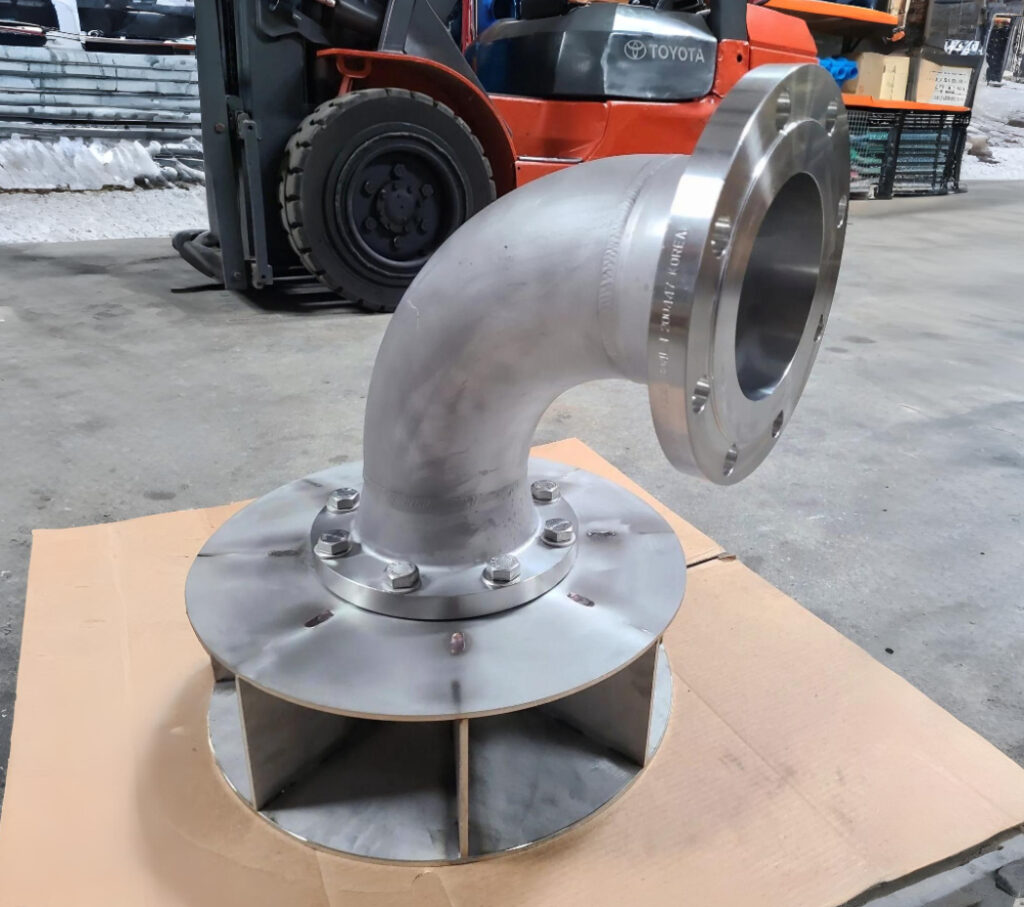
Stainless steel storage tanks are fabricated using stainless steel grades like SS 304, SS 316, and other specialized alloys. Stainless steel is known for its strength, corrosion resistance, and hygienic properties.
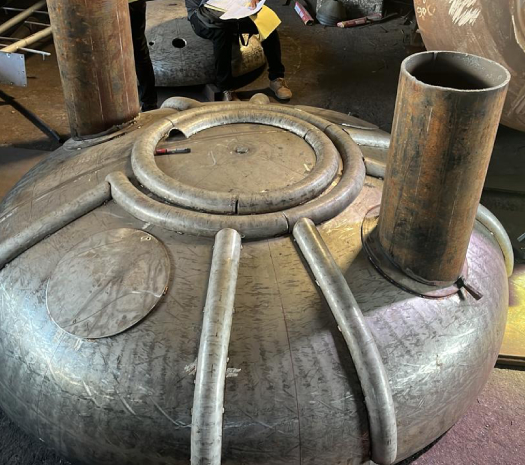
ASEFS India specializes in stainless steel tank fabrication for demanding industrial applications.
Corrosion resistance is one of the most important factors in storage tank selection. While both materials offer some corrosion resistance, there are significant differences in their performance and range of protection.
Aluminum forms a protective oxide layer, which provides corrosion resistance in atmospheric environments. It is easily corroded by strong acids, alkalis, and some chemical substances.
Stainless steel offers far better corrosion resistance than aluminum. Stainless steel grades like SS 316 are highly resistant to corrosion in aggressive chemical, saline, and high-humidity environments.
Strength and durability are important when considering the mechanical performance of storage tanks. Both aluminum and stainless steel have distinct strengths and weaknesses in this regard.
Aluminum is softer and has a lower tensile strength than stainless steel. Aluminum tanks may require thicker walls or additional reinforcement for stability.
Stainless steel has high strength and impact resistance, providing excellent durability and structural integrity. Stainless steel is suitable for large-capacity and high-pressure storage tanks.
Weight and structural load are important factors when considering installation and structural requirements.
Aluminum tanks are significantly lighter than stainless steel tanks. This reduces the load on foundations and makes the tanks easier to transport and handle.
Heavier construction requires a stronger foundation and handling equipment.
Temperature and pressure performance are important for process applications and operating conditions.
Suitable for moderate temperatures and low-pressure applications. High temperatures can affect performance and reduce strength.
Excellent performance at high temperatures and under high pressure. Stainless steel tanks are used in various process industries.
Hygiene and cleanliness are important, especially for food, beverage, or pharmaceutical storage.
Aluminum is more susceptible to scratches, which may harbor contaminants over time.
Stainless steel has smooth, non-porous surfaces that are easy to clean, making it the preferred choice for hygienic storage.
Maintenance and lifespan are critical to the long-term cost of ownership and operational considerations.
Require more monitoring and maintenance in corrosive environments. Corrosion can significantly reduce the lifespan of aluminum tanks.
Require minimal maintenance and have a long service life, even in harsh environments.
Fabrication and customization options are important for meeting specific project requirements.
Easier to machine and weld, but requires skilled labor to avoid distortion and other issues.
Fabrication is more challenging but offers high precision, custom designs, and complex configurations.
ASEFS India provides customized stainless steel storage tanks tailored to meet customer needs.
Cost is an important factor, with both initial investment and lifecycle cost considerations.
Cheaper material cost and lower transportation cost due to its lightweight.
Higher initial cost but lower lifecycle cost because of its durability and reduced maintenance.
Aluminum Storage Tanks Are Commonly Used In.
ASEFS India provides stainless steel and aluminum storage tanks to support these industries.
In industries with stringent safety, hygiene, and environmental compliance requirements, stainless steel storage tanks have an advantage. Compliance with pressure vessel codes, food-grade standards, and environmental regulations is often easier with stainless steel.
The choice between aluminum and stainless steel storage tanks ultimately depends on the specific application.
Opt for aluminum storage tanks when weight, portability, and moderate environmental conditions are the primary concerns.
Opt for stainless steel storage tanks when high strength, corrosion resistance, hygiene, and long-term durability are the most important factors.
For most heavy industries and process applications, stainless steel is the preferred and safer choice.
At ASEFS India, we are committed to providing high-quality, durable, and compliant industrial storage tanks. Our experience and expertise give you the advantage of working with a company that values quality and safety.
Also Read:- Types of Galvanized Gratings and Their Applications in Construction
In the aluminum vs stainless steel storage tanks comparison, stainless steel clearly comes out on top for most industrial applications. Stainless steel offers far superior corrosion resistance, strength, hygiene, and long-term reliability. Aluminum tanks can be a viable choice for specific applications.
lightweight and moderate-duty applications, but they can be prone to corrosion and limitations in harsh environments.
At ASEFS India, we provide expert guidance and high-quality storage tank solutions tailored to your industrial storage needs. With a focus on performance, safety, and sustainability, ASEFS India is your reliable partner for storage tank solutions.
Ans: No, not all chemicals are safe with aluminum. Stainless steel is safer for most chemicals.
Ans: Stainless steel tanks have a significantly longer service life.
Ans: Yes, stainless steel is more expensive initially, but it has a better lifetime value and lower maintenance cost.
Ans: Yes, ASEFS India offers fully customized aluminum and stainless steel storage tanks.
Ans: Stainless steel tanks are the industry standard for good reasons.

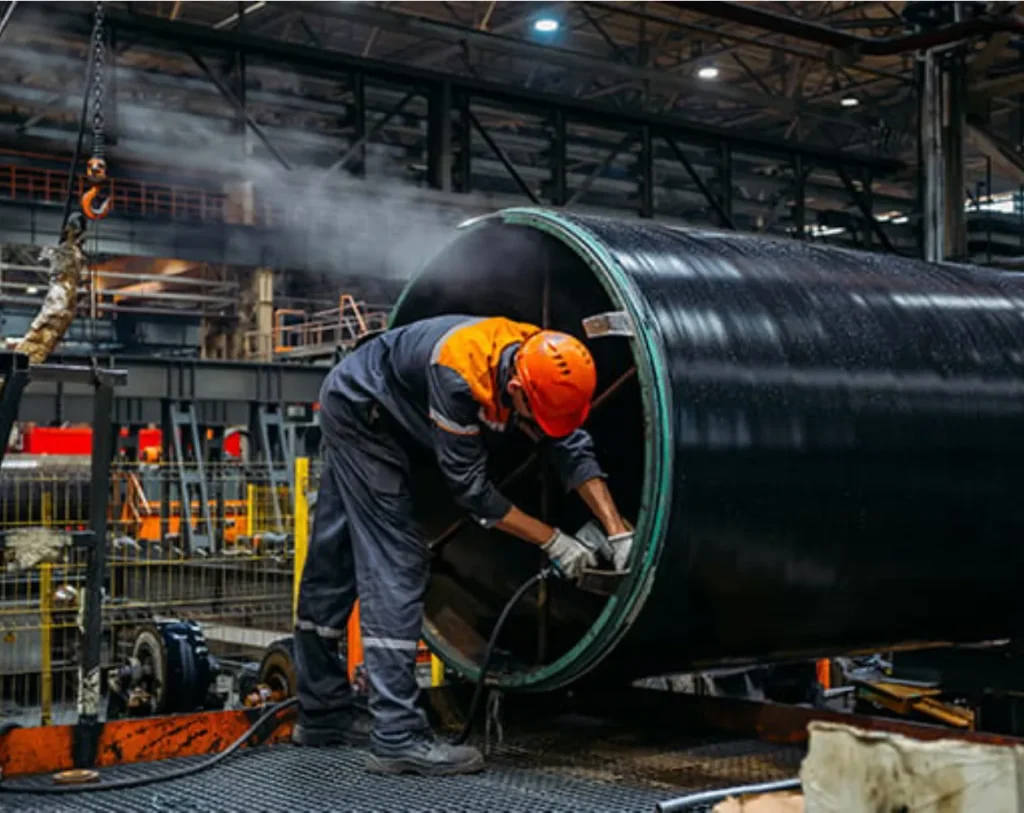

At A.S. Engineers & Fabricators, our team excels in designing, manufacturing, and erecting steel structures that set industry benchmarks. We have established a robust presence in metal fabrication, heavy equipment, and steel structures, providing top-tier solutions for industrial plants and high-rise buildings.
+91 92267 69978
+91 89569 38780
info@asefsindia.com
2025 © A.S Engineers - All rights reserved