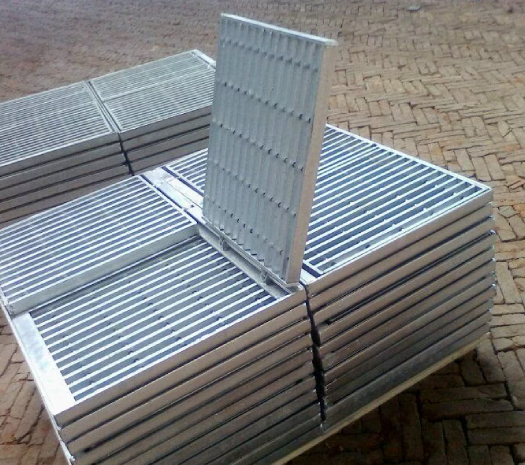
When selecting flooring materials for platforms, walkways, or drainage systems, galvanized gratings stand out as a reliable choice. These metal structures combine strength with corrosion resistance, making them suitable for both indoor and outdoor construction projects.
Understanding the different grating types helps project managers and engineers choose the right solution. Each type offers specific benefits based on load requirements, environmental conditions, and installation needs.
Galvanized gratings consist of metal panels that undergo a zinc coating process called hot-dip galvanization. This treatment involves immersing steel grating in molten zinc, creating a protective layer that shields against moisture, chemicals, and corrosive elements.
The zinc coating becomes part of the metal itself through a metallurgical bond. This differs from simple surface coatings that can peel or chip away. The galvanization process extends the service life of steel grating while reducing maintenance requirements.
Industrial flooring solutions rely heavily on these products because they offer excellent drainage capabilities. The open design allows water, debris, and liquids to pass through while providing solid footing for workers and equipment.
Welded construction represents the most common manufacturing method for industrial applications. Manufacturers create these panels by resistance-welding bearing bars to cross bars at their intersection points.
Here is why this type remains popular. The welding process produces rigid joints that handle heavy loads and high-traffic areas. Carbon steel bearing bars typically measure between 1 inch to 2 inches in depth, with cross bars spaced at 2-inch or 4-inch intervals.
The bearing bars run in one direction while cross bars sit perpendicular, forming a grid pattern. This configuration distributes weight evenly across the panel. Standard panel widths measure 3 feet or 4 feet, with custom lengths available for specific projects.
Welded galvanized grating suits applications requiring high load capacity. Manufacturing facilities, warehouse platforms, and vehicular ramps use this type because it withstands constant stress without deformation.
Press-locked construction uses hydraulic pressure instead of welding to join bearing bars and cross bars. Workers slot the bars together and apply tremendous pressure, creating a permanent mechanical interlock.
This method produces a smooth, flush surface on both sides. Both bearing bars and cross bars sit at the same height, creating clean lines that appeal to architects and designers.
Let’s break it down. The construction offers several subtypes based on how bars connect:
Press-locked panels work well for light to medium load applications. Pedestrian walkways, architectural facades, and decorative screens commonly use this type. The smooth surface makes it suitable for areas where appearance matters.
Swage-locked construction represents a specialized pressure-locking technique. Hollow tube cross bars insert into pre-punched bearing bars. A swaging process then reshapes and permanently secures the cross bars.
This design creates cross bars recessed below the top surface of bearing bars. The result combines strong joints with a distinct appearance. The construction method provides lateral stiffness that exceeds standard welded options.
Next steps for selecting this type involve considering applications that need excellent lateral support. Mezzanine floors, equipment platforms, and maintenance walkways benefit from this construction method.
Any of the above construction types can include serrated surfaces for enhanced traction. Manufacturers create serrated edges by cutting notches into bearing bars at specific intervals.
The diamond-shaped or saw-tooth patterns increase grip, making them safer in wet, oily, or icy conditions. Regulations from OSHA encourage serrated gratings in industrial settings to reduce slip-and-fall accidents.
Serrated galvanized grating finds use in outdoor platforms, loading docks, and chemical processing areas. The improved traction comes at a slight increase in cost compared to smooth surfaces.
Also Read:-MSRL Tanks and Piping Spools: Corrosion-Resistant Solutions for Chemical Plants
Production floors require durable surfaces that handle heavy foot traffic and equipment movement. Galvanized gratings serve as elevated platform flooring, allowing air circulation beneath work areas.
ASEFS India works with manufacturing clients who need custom platform systems. The open grid design prevents liquid accumulation while maintaining structural strength for machinery support.
Catwalks and maintenance access platforms throughout facilities use these grating types. Workers can inspect equipment from above without compromising safety or visibility.
Construction projects need temporary flooring that assembles quickly and relocates easily. Galvanized grating panels bolt together to create work platforms, scaffolding floors, and access ramps.
The zinc coating protects against weather exposure during long-term projects. Contractors appreciate the reusability factor because panels can move between job sites without deterioration.
Drainage trenches on construction sites use grating covers that support heavy vehicles while allowing water to flow through. This prevents flooding in work areas during rain events.
Bridges, railways, and port facilities depend on corrosion-resistant materials. Galvanized gratings handle constant exposure to moisture, road salt, and environmental stresses.
Pedestrian bridge decking uses these panels because they reduce ice accumulation through drainage. The open design also decreases wind resistance, making structures more stable during storms.
Railway platforms and maintenance walkways require slip-resistant surfaces. Serrated galvanized grating meets safety standards while withstanding the vibration from passing trains.
Water treatment plants need materials that resist continuous moisture exposure. Galvanized grating serves as platform flooring around tanks, filtration systems, and processing equipment.
The zinc coating prevents rust formation in humid environments. Maintenance teams can access equipment without worry about corrosion weakening structural supports.
Municipal drainage systems incorporate grating covers for street drains, catch basins, and trench covers. These applications require products that handle vehicular traffic while allowing water flow during heavy rainfall.
Oil platforms, docks, and marine structures face harsh saltwater conditions. The galvanization process provides protection against rapid corrosion that would quickly damage untreated steel.
Companies like ASEFS India supply grating solutions for coastal infrastructure projects. The combination of strength and corrosion resistance makes galvanized gratings suitable for long-term marine installations.
Safety requirements for offshore platforms mandate non-slip surfaces. Serrated galvanized grating meets these standards while supporting heavy equipment and personnel.
Weight capacity determines which grating type suits specific applications. Welded construction handles the highest loads, making it appropriate for vehicular traffic and heavy equipment.
Press-locked and swage-locked options work for pedestrian areas and light machinery. Engineers calculate load requirements based on expected traffic patterns and equipment weights.
Moisture levels, chemical exposure, and temperature variations affect material selection. Standard hot-dip galvanization provides adequate protection for most outdoor applications.
Extremely corrosive environments may require additional coating treatments. However, galvanized grating outperforms bare steel in nearly all weather conditions.
Bearing bar spacing affects both load distribution and drainage capabilities. Closer spacing increases load capacity but reduces open area for water flow.
Applications requiring ADA compliance need spacing of one-half inch or less. This prevents wheelchair wheels and walking aids from catching in gaps.
Smooth surfaces suit areas with wheeled equipment or where debris accumulation presents problems. Serrated surfaces provide better traction but collect more dirt and require occasional cleaning.
Climate and expected foot traffic help determine surface type. Outdoor platforms in rainy regions typically specify serrated options for safety.
Galvanized grating attaches to support structures through several methods. Welding provides the most permanent connection but requires skilled labor and creates heat-affected zones.
Mechanical fastening with clips, bolts, or saddle clamps allows for easier removal and replacement. This method suits applications where access to utilities beneath flooring is needed.
Support structures must provide adequate bearing surface for grating panels. Edge supports typically require a minimum of 25 millimeters of contact area.
The galvanized coating requires minimal maintenance under normal conditions. Periodic cleaning removes debris that can trap moisture and accelerate corrosion.
Damaged areas need prompt attention to prevent rust from spreading. Touch-up paint containing zinc provides temporary protection until panel replacement becomes necessary.
Regular inspections identify loose fasteners, damaged bars, or coating deterioration. Addressing these issues early extends the service life of installed systems.
Initial costs for galvanized grating exceed some alternative flooring materials. Long-term expenses remain lower because replacement and maintenance needs decrease significantly.
Service life typically ranges from 20 to 50 years depending on environmental conditions. This durability makes galvanized options cost-effective for permanent installations.
The recyclability of steel grating adds environmental benefits. Materials can be reclaimed and reprocessed at the end of their service life.
Organizations seeking reliable galvanized grating solutions benefit from working with experienced manufacturers. ASEFS India brings over 38 years of fabrication experience to construction and industrial projects.
The company handles custom fabrication requirements for platforms, walkways, and drainage systems. Each product undergoes quality inspections to ensure compliance with industry standards.
Project timelines remain on schedule through efficient production processes. From initial design consultation through final delivery, ASEFS India provides comprehensive support for construction applications.
Also Read:-Hemispherical vs Ellipsoidal vs Torispherical Dish Ends: Which One Fits Your Application?
Q.What makes galvanized gratings better than painted steel for outdoor use?
Galvanized gratings feature a zinc coating that bonds metallurgically with the base steel, providing superior corrosion protection compared to paint. The zinc layer sacrifices itself to protect the underlying metal, preventing rust formation even when scratches expose the steel surface. Paint coatings can chip or peel, leaving steel vulnerable to moisture damage.
Q.How do I determine the correct bearing bar spacing for my project?
Bearing bar spacing depends on expected loads and span distances between supports. Heavier loads and longer spans require closer spacing for adequate strength. Typical spacing ranges from 15/16 inch to 1-3/16 inch on center. Consult load tables from manufacturers or structural engineers to select appropriate spacing for specific applications.
Q.Can galvanized grating be cut or modified on site?
Field modifications are possible but require proper equipment and safety precautions. Cutting galvanized grating exposes bare steel edges that need touch-up treatment with zinc-rich paint. Welding on site damages the galvanized coating in heat-affected zones. Pre-fabrication to exact specifications reduces field work and maintains corrosion protection throughout the panel.
Q.What is the difference between hot-dip galvanizing and electro-galvanizing?
Hot-dip galvanizing immerses steel in molten zinc at approximately 840 degrees Fahrenheit, creating a thick protective coating typically 85 microns or greater. Electro-galvanizing applies zinc through an electrical process, producing thinner coatings around 25 microns. Hot-dip galvanizing provides longer-lasting protection for construction applications, while electro-galvanizing suits indoor uses.
Q.How often should galvanized grating be inspected and maintained?
Annual inspections identify potential issues before they become serious problems. Check for loose fasteners, damaged bearing bars, coating deterioration, and debris accumulation. High-traffic areas or corrosive environments may require more frequent assessments. Clean panels periodically to remove materials that trap moisture. Address any coating damage promptly with zinc-rich repair compounds.





I help Engineering Importers achieve Rapid Growth and make a Positive Market Impact. I help Client achieve their Business Goals
+91 92267 69978
+91 89569 38780
info@asefsindia.com
2025 © A.S Engineers - All rights reserved